Poria fungus is a scary phrase for any homeowner. In San Diego, it usually means Meruliporia incrassata, a water‑conducting brown‑rot fungus that can move moisture through rope‑like cords and quietly weaken framing.
If you find unexplained wood decay, root-like fungal cords, or persistent moisture, identifying the problem before beginning repairs can help you avoid unnecessary testing and demolition.
This guide explains how suspected poria is evaluated in San Diego County, what an inspection and targeted sampling may cost, and when specialized laboratory confirmation may be useful. It also shows how poria fits into California’s official wood‑destroying organism process so you can pick the right path with confidence.
TL;DR
- Start with the type of inspection that matches your situation. This includes a licensed Branch 3 WDO inspection for regulated wood-destroying organism reporting, or a moisture-focused environmental assessment for suspected fungal growth.
- Inspection and laboratory fees vary according to property size, access, the areas evaluated, and the number and type of samples collected.
- Poria DNA tests exist but are specialty add‑ons. Use them when results change the repair plan or budget.
- California’s Structural Pest Control Board regulates WDO reports that cover fungus/dry rot. Verify licenses and reports online.
What Poria Fungus Is and Why It Matters
Poria fungus is the common name people use for Meruliporia incrassata. It’s a brown‑rot fungus that produces thick, root‑like cords called rhizomorphs. Rhizomorphs can deliver water from damp soil or leaks to dry framing, letting decay spread beyond the original wet spot.
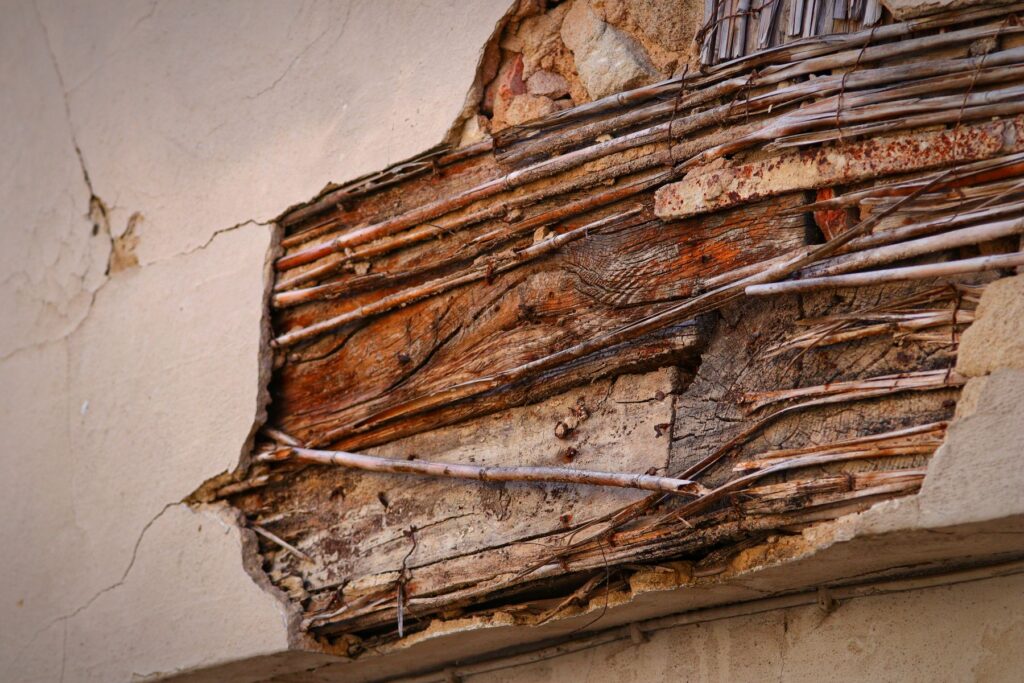
Inspectors look for rhizomorphs, characteristic brown-rot damage, moisture pathways, mycelial growth, and, less commonly, fruiting bodies. These findings may suggest Meruliporia, but laboratory analysis may be needed when species confirmation will affect the repair plan.
This species is infamous because it can undermine subfloors, sills, and joists quickly once moisture is available. Correcting the moisture source is essential because active fungal growth requires suitable moisture conditions. Structurally damaged or colonized materials may still require removal or replacement after the area is dried.
How Testing Works in San Diego
If you notice fungal growth, wood decay, or recurring moisture, you can hire Rarefied Air Environmental to assess accessible areas, document moisture conditions, and collect targeted samples when laboratory analysis is appropriate. We can provide inspection and laboratory findings that you may use when planning repairs with the appropriate contractor.
Start With the Inspection That Matches Your Situation
If your real estate transaction requires a formal wood-destroying-organism report, you will need to hire a California-licensed Branch 3 company. That regulated inspection may document termites, wood-decay fungi, damaged wood, and conditions that contribute to deterioration.
If your concern involves moisture, visible fungal growth, or an unexplained odor outside of a regulated WDO transaction, you may instead need an environmental assessment. We can evaluate accessible areas, document visible and moisture-related conditions, and recommend targeted sampling when the results could affect your repair or remediation decisions.
When to Add Lab Sampling
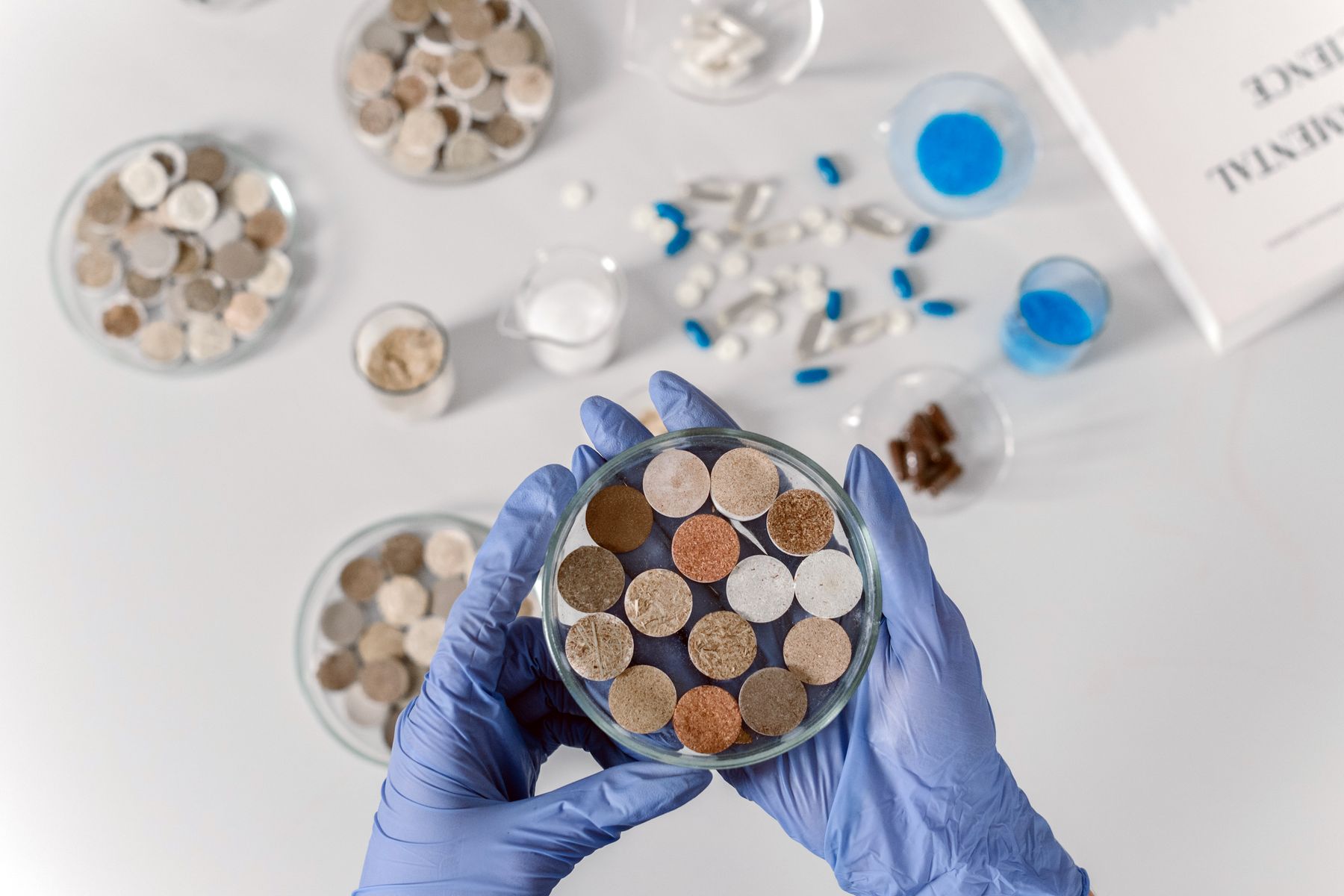
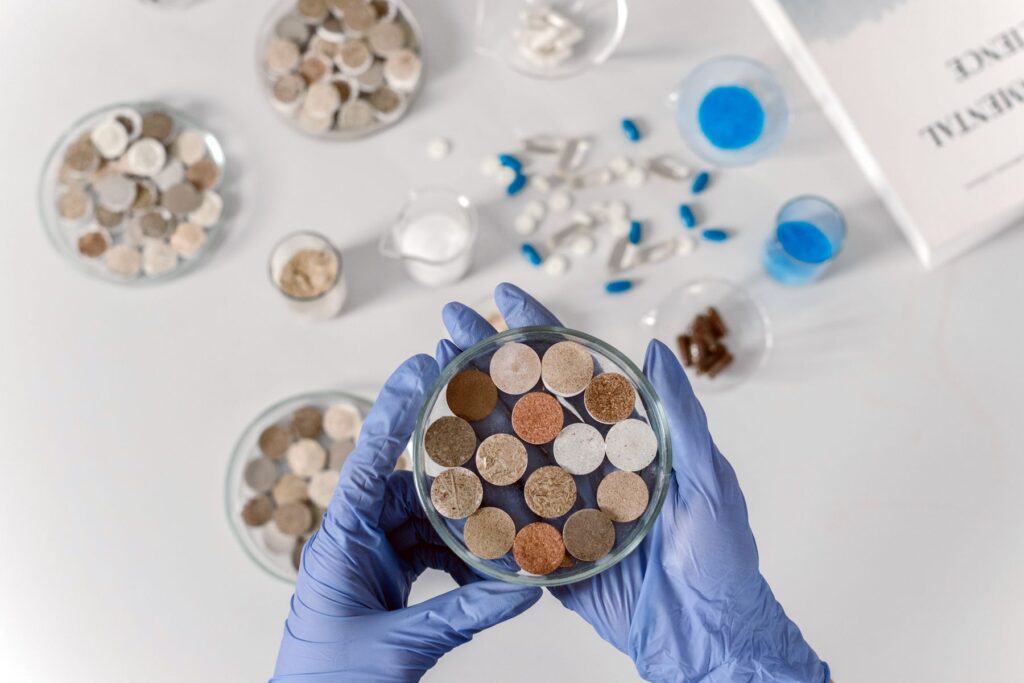
Laboratory sampling can help identify fungal material or support field observations when visual findings alone are inconclusive. Common methods include:
- Tape-lift or swab: A surface sample analyzed microscopically to evaluate fungal structures collected from a specific location.
- Bulk sample: A piece of suspect wood, fungal growth, or rhizomorph submitted for laboratory examination.
- Targeted PCR or qPCR: A specialized laboratory method used to detect DNA associated with a particular organism. Availability, sample requirements, and reporting methods vary by laboratory.
You may not need laboratory sampling when visible growth and an identifiable moisture source already show what must be corrected. The EPA states that sampling is often unnecessary when visible mold is present and that no federal mold-spore limits have been established.
Our testing specialists can first assess the affected area and explain which samples, if any, are likely to provide useful information. You can then decide whether to authorize the recommended laboratory analysis. This can help San Diego County property owners avoid paying for broad testing that will not change the repair plan.
Typical Testing Costs in San Diego
Poria fungus testing prices vary by home size, access, and how many samples you authorize. Your final cost will depend on the inspection scope, site conditions, and whether laboratory analysis is needed.
- WDO inspection in California: Companies may offer no‑charge inspections as sales leads, but an official WDO report for a real estate file typically carries a set fee. Formal WDO-report fees vary by provider, property type, inspection scope, and whether the inspection is connected to proposed pest-control or repair work.
- Moisture and fungal assessment: Pricing generally depends on the property’s size, accessible areas, crawlspace or attic conditions, and the amount of documentation required.
- Laboratory analysis: Samples are generally priced according to the analytical method and material submitted. Specialized DNA testing may cost more than routine microscopy and may require a specific type or amount of material.
Exactly what you pay depends on scope. A targeted crawlspace check with one tape lift might add under $150 in lab fees, while a whole-home moisture map with multiple wall cavities and several samples can push total costs higher.
For a home in La Jolla, Del Mar, Encinitas, Carlsbad, or another San Diego County community, you can explain where you have noticed moisture, persistent odors, or deterioration. We can then recommend an inspection scope based on the affected areas and accessible adjoining spaces.
Comparing Your San Diego Environmental Testing Options: Which Path Fits Your Situation?
Selecting the appropriate environmental testing saves you time and protects your budget while resolving environmental concerns.
| Option | What It Is | When To Choose | Typical Cost In San Diego |
| CA WDO Inspection (Branch 3) | State‑regulated termite and fungus/dry rot inspection with a formal report | Real estate transactions; escrow or lender requires documentation; you want a regulated report | Varies by provider, property type, transaction requirements, and report scope. |
| Moisture & Fungal Assessment | Visual inspection plus moisture mapping; may include limited surface sampling | You have musty odors, staining, or decay and need to find sources and scope | Varies by property size, accessibility, inspection area, and reporting needs |
| Tape‑Lift/Swab/Bulk Sample | Lab confirms fungal structures from a surface or material | You see suspect growth or rhizomorphs and want lab documentation | Priced per sample according to the material and laboratory method. |
| DNA/qPCR For Meruliporia | Species‑specific DNA test on a rhizomorph or wood fragment | Field clues suggest poria and results would change repair scope | Specialty pricing; confirm availability, sample requirements, and fees before collection |
What San Diego Inspectors Actually Look For
As a property owner, watch for recurring leaks, wet planters, irrigation overspray, drainage problems, and poorly ventilated crawlspaces. These conditions can help you identify where an environmental inspector should begin the assessment.
- Rhizomorphs: Cordlike fungal structures that may resemble plant roots and extend across masonry, soil, or wood. Don’t rely on appearance or odor alone to identify the species.
- Mycelial fans: White, paperlike sheets in cavities or on the underside of subfloors.
- Brown-rot damage: Wood may become darker, brittle, shrunken, or cracked into cube-like sections as the fungus breaks down structural components.
- Moisture pathways: Soil contact, siding below grade, wet planters against walls, poor grading or drainage, and plumbing leaks.
We can document conditions in accessible areas, but concealed damage may require additional access by an appropriate contractor. The inspection findings can help determine whether opening walls, flooring, or other finishes should be considered.
When DNA Confirmation Helps
DNA confirmation is most helpful when:
- You must decide whether to excavate rhizomorphs back to soil and redesign drainage.
- A contractor bid swings by thousands based on whether poria is present.
- You need to document species for warranty, insurance, or litigation decisions.
Some specialty laboratories may offer targeted PCR analysis for Meruliporia. Before collecting a sample, confirm that the laboratory accepts the material and follow its requirements for size, handling, packaging, and storage.
We can document visible conditions, explain whether specialized analysis may be useful, and collect an appropriate sample when the selected laboratory accepts that material.
You can share our inspection findings and laboratory results with the contractor, engineer, or pest-control professional responsible for planning drainage, structural, or WDO repairs.
Examples
These examples highlight how distinct property conditions in coastal and metro communities require tailored, sensible solutions.
Meruliporia Rhizomorph Detection in a Raised Foundation
A raised‑foundation home in North Park shows brittle, brown‑rot wood in a 6×6 sill and white sheets on joist bottoms. The inspector traces a planter crack feeding water into the stem wall and finds thick, bark‑less cords in the crawlspace.
A single bulk sample of a cord is sent for microscopy and DNA, confirming Meruliporia. Repairs include removing the planter, sealing the wall, improving drainage, replacing compromised members, and disposing of colonized debris. The DNA result justified opening more of the perimeter to chase rhizomorphs.
Evaluating Irrigation Overspray on Slab-on-Grade Homes
A 1990s slab‑on‑grade house in Mira Mesa has a musty bedroom and stained baseboards. The moisture survey flags an irrigation overspray issue along the exterior wall. No rhizomorphs are visible. A tape‑lift from a baseboard shows common surface molds, not structural decay.
The homeowner redirects sprinklers, re‑grades soil away from the wall, and replaces a short run of baseboard. No poria‑specific testing is performed because findings don’t support it.
Actionable Steps / Checklist
Use the following steps to decide which professional to hire, which tests to authorize, and how to act on the findings.
- If you need a formal WDO report, verify the Branch 3 inspector’s license and company registration through the California Structural Pest Control Board.
- If you’re in a transaction, request a formal WDO Inspection Report.
- For a non-escrow concern, request a moisture-focused assessment of the affected rooms and accessible adjoining areas. Depending on the property, that may include the crawlspace, exterior drainage, planters, irrigation, or plumbing pathways.
- Ask the inspector how each proposed sample could affect the repair, remediation, or documentation plan before authorizing it.
- If the assessment identifies suspected rhizomorphs, ask testing specialists whether targeted laboratory analysis could change your repair or documentation plan.
- Use the inspection findings to hire the appropriate plumber, drainage contractor, landscaper, restoration company, or other qualified professional to correct the identified moisture source.
- Have a qualified contractor evaluate and replace structurally compromised wood and handle colonized debris according to the project requirements.
- Keep documentation, including photos, moisture readings, lab reports, and repair invoices.
Glossary
Demystifying technical terms allows you to feel confident when speaking with contractors and environmental inspectors.
- Poria: Common name for Meruliporia incrassata, a water‑conducting brown‑rot fungus that damages structural wood.
- Rhizomorph: A cord of densely packed fungal threads that can transport water from soil or leaks to wood.
- Brown Rot: Wood decay that removes cellulose, leaving brown, brittle, cube‑like fragments.
- WDO Inspection: California’s licensed inspection for wood‑destroying organisms, including fungus/dry rot, with a formal report.
- Tape‑Lift: A surface sampling method using clear tape pressed on growth, then analyzed under a microscope.
- Bulk Sample: A small piece of suspect material, such as a rhizomorph or wood chip, sent to a lab.
- qPCR: A DNA test that detects target organisms, such as Meruliporia incrassata, in a sample.
- Conducive Conditions: Building or site features that enable infestation or infection, such as soil contact or chronic moisture.
FAQ
Q: Do I always need lab tests for poria?
A: No. Begin with an inspection and moisture investigation, then add targeted sampling only when the result may change the repair scope, remediation method, or documentation you need.
Q: Is ERMI testing useful for poria?
A: ERMI is an EPA research tool based on dust DNA and isn’t intended for routine public use or species confirmation in structures. It doesn’t replace targeted inspection or species‑specific testing.
Q: Can I rely on a free termite inspection?
A: A complimentary pest inspection may help you obtain a treatment or repair estimate, but it may not serve the same purpose as a formal California WDO report. Ask whether the company will issue the regulated report required for your transaction.
Q: What raises the total cost most?
A: Access issues, the number of samples, and whether you choose species‑specific DNA testing or need extensive opening of finishes to trace moisture and rhizomorphs.
Final Thoughts
In San Diego County, begin by identifying the moisture source and choosing the inspection appropriate for your situation. Use laboratory analysis for targeted questions rather than treating extensive sampling as the automatic first step.
When the inspection reveals conditions consistent with poria, targeted samples may provide useful information before extensive materials are removed. The findings should be considered alongside moisture conditions, visible damage, and the recommendations of the professionals planning the repairs.
Rarefied Air Environmental helps San Diego County homeowners and businesses investigate suspected moisture and fungal concerns. We provide accessible-area assessments, targeted sample collection, laboratory analysis, and written findings. You can then use those findings to make informed decisions with the contractors or other professionals responsible for corrective work.