
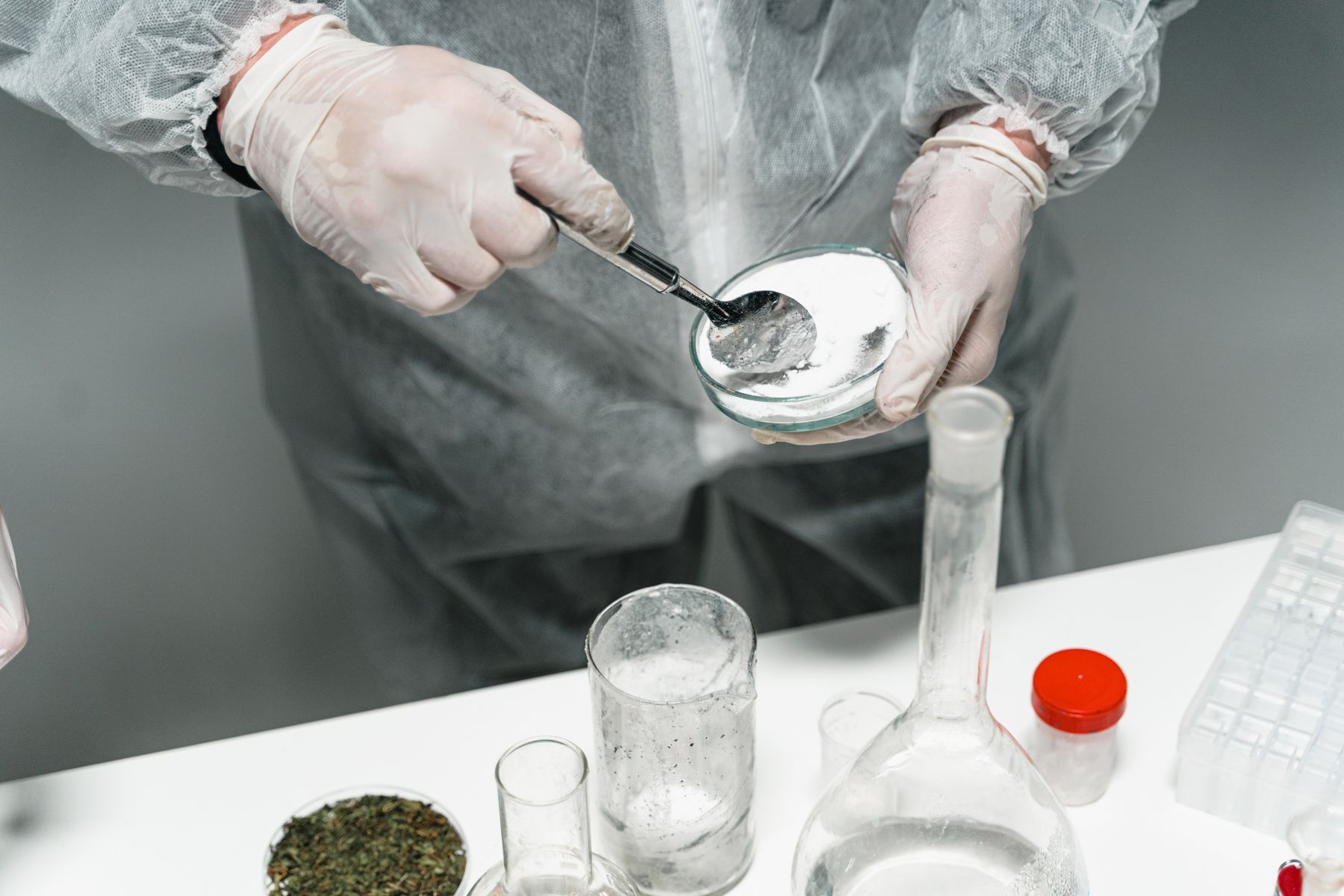
Dust can contain lead, silica, mold spores, and other contaminants that may affect indoor environmental quality. Understanding dust testing vs. mold testing can help determine which approach is better suited to the contaminants you suspect may be present in your home. During renovations or demolition, dust may also contain asbestos fibers if asbestos-containing materials have been disturbed.
When you need answers, the first thing most people ask is simple: how much does dust testing cost?This guide explains typical dust testing costs, what affects pricing, and how to choose the right type of testing for your home or workplace. If you’re planning a renovation or buying an older property in San Diego County, understanding your options can help you avoid unnecessary testing costs. You will also see where strict standards apply so that you can budget smart.
Dust testing is not one-size-fits-all. The right choice depends on your goal: a quick screen, a documented clearance after work, or an in-depth industrial hygiene survey. Use the table and steps below to get to a firm estimate.
TL;DR
- Basic DIY dust kits run about $30 to $100 per kit. Professional home testing typically starts around $200 to $600 and scales with sample count.
- Post-renovation lead dust clearance with a certified pro usually lands between $250 and $700 for a small job, more for larger spaces or rush lab work.
- Asbestos and lead testing costs depend on the number of materials or surfaces tested, the required certification, and whether the project needs air monitoring, clearance testing, or expedited results.
- Costs rise with more samples, faster turnaround, accredited labs, and written compliance reports.
- Some tests must use accredited labs or certified professionals, which affects price and timelines.
What Drives Dust Testing Cost
Key variables like total property square footage, required turnaround speed, and sample volume directly shape overall dust testing pricing. Evaluating these core factors helps homeowners in coastal San Diego County make informed choices that fit their budget without sacrificing indoor air safety.
Rarefied Air Environmental primarily provides asbestos and lead testing, with mold and other environmental assessments also available throughout San Diego County. Our California-certified asbestos consultants and certified site surveillance technicians review the property, planned work, and suspected materials before recommending an appropriate testing scope.
Are you unsure which testing method fits your project? Share the property age, affected areas, and planned work with the testing team. Our environmental testing specialists can use those details to recommend an appropriate sampling scope before renovation or cleanup begins.
Scope and Sample Count
Each room, material, or task area may need one or more samples. If your property includes multiple rooms or areas of concern, expect additional samples to increase the total project cost.
The testing professional may include quality-control samples, such as blanks or duplicates, when required by the sampling method or laboratory. You generally don’t need to determine or collect these samples yourself.
Test Type and Method
Choosing between wipe samples, bulk material testing, or advanced laboratory analysis affects both the overall cost and the level of detail provided in the results.
The testing professional should select the sampling method based on the suspected contaminant and your reason for testing. Your role is to explain the concern, identify affected areas, and provide details about any planned renovation or cleanup.
- Lead dust wipe samples are relatively inexpensive, especially via mail-in kits, but post-abatement clearance often requires a certified professional and specific protocols.
- Asbestos testing is usually bulk material or air fiber analysis. Methods like TEM cost more than basic screens.
- Workplace silica exposure monitoring is a specialized industrial hygiene service that may require an occupational industrial hygienist. It is different from the asbestos, lead, mold, and nuisance-dust assessments that make up our primary testing services.
- Mold sampling ranges widely and may not be necessary if you already see growth. There are no federal mold spore limits to compare against.
General nuisance-dust testing is different from asbestos, lead, or silica testing. Our environmental testing specialists can evaluate accumulated or airborne particulates to help identify possible contributors to unusual dust, indoor air complaints, or recurring allergy-like concerns.
Accreditation, Certification, and Reporting
Ask which certifications, laboratory credentials, and reporting requirements apply to your specific project. We coordinate professional sampling, chain-of-custody documentation, appropriate laboratory analysis, and written reporting for the services included in the agreed scope.
Travel, Site Conditions, and Turnaround
If your property has limited access, requires after-hours scheduling, or needs expedited laboratory results, your total cost may increase. Before the appointment, clear access to the testing areas, secure pets, and tell the provider about gates, tenants, or restricted spaces. The testing team will handle the sampling equipment, documentation, and laboratory submission.
Typical Cost Ranges in the U.S.
National pricing benchmarks offer a helpful baseline for planning home safety investments before starting major renovations. Comparing national price ranges with local estimates helps San Diego County property owners budget more accurately for environmental testing.
Lead Dust Wipes (Homes, Childcare, Pre-1978 Buildings)
EPA recognizes labs under the National Lead Laboratory Accreditation Program (NLLAP). Current EPA dust-lead reportable levels are set at any reportable level by an NLLAP-recognized lab, and post-abatement dust-lead action levels are 5 µg/ft² for floors, 40 µg/ft² for window sills, and 100 µg/ft² for window troughs.
- DIY mail-in kits: Roughly $30 to $100 per kit including 1–2 analyses.
- Professional sampling: Often $250 to $700 for a small project, depending on the number of samples, laboratory fees, and reporting requirements.
The price varies based on the number of rooms and surfaces tested, the type of certified lead professional required, the analysis method, and the requested turnaround.
Asbestos Material Testing and Air Monitoring
Lab analysis of bulk material: about $25 to $50 per sample for standard turnaround. TEM and rush services cost more. Professional site visit and sampling commonly cost $250 to $700 for a small residential check, while larger surveys scale up.
Asbestos-containing materials are most commonly encountered in homes and buildings constructed through the mid-1980s. Flooring, flooring mastics, roofing products, roofing mastics, and some mirror mastics may also contain asbestos, so the material itself should be evaluated rather than relying only on the building’s age.
Don’t collect suspected ACM yourself. Our certified site surveillance technicians can identify appropriate sampling locations and collect samples safely. Our team can also prepare a written report for renovation, demolition, or property-planning needs.
Silica or General Dust in Workplaces
An industrial hygiene survey often costs $1,200 to $3,000 per day on site, plus lab fees ($30 to $100 per filter, more for crystalline silica analysis).
Follow-up monitoring or control verification typically costs less if scope is focused. OSHA’s permissible exposure limit (PEL) for respirable crystalline silica is 50 µg/m³ as an 8-hour time-weighted average. Sampling often follows NIOSH methods and requires calibrated pumps, documented field notes, and formal reports.
If you manage a workplace, explain the tasks, materials, shift lengths, and employees involved when requesting an evaluation. An industrial hygienist should design the monitoring plan, place the sampling equipment, interpret the results, and compare exposures with applicable standards.
Mold and General Indoor Dust
Visual moisture and mold assessment with limited sampling may cost around $350 to $900, depending on the inspection scope and the number of samples collected.
Air or surface samples may cost roughly $50 to $120 per sample added to the base visit. EPA notes sampling is often unnecessary if visible mold is present.
Tell the inspector about visible growth, musty odors, leaks, past water damage, and rooms where occupants have concerns. The inspector should evaluate moisture conditions first and determine whether air or surface sampling would add useful information.
Which Dust Testing Option Fits Your Situation
Different testing options fit different situations, helping homeowners and businesses throughout San Diego County choose the level of testing that matches their project and budget. Selecting the ideal service level provides laboratory results that support informed renovation, maintenance, and real estate decisions.
| Option | Typical Cost Range (US) | What You Get | Best For | Key Limitations |
| DIY lead or consumer dust-screening kit | $30–$100 per kit | Basic sampling supplies and lab results | Informal screening when certified sampling, regulatory documentation, and professional interpretation are not required | Chain of custody and methodology may not satisfy lenders or agencies |
| Professional home sampling | $200–$600+ plus $15–$120 per sample | On-site collection, documented report, lab analysis | Real estate, post-cleaning checks, peace of mind | Additional rooms, rush results, travel, or follow-up sampling may increase the final cost |
| Certified clearance (lead post-abatement) | $250–$700+ small jobs | Certified pro, NLLAP lab, clearance report | Compliance after paint or dust abatement | Must meet specific action levels; re-cleaning may add cost |
| Professional asbestos or lead assessment | Cost varies by property, material, and sample count | On-site assessment, certified sampling, laboratory analysis, and written findings | Renovations, demolition planning, real estate evaluations, and post-work verification | Additional materials, rush analysis, air monitoring, or clearance testing may increase the cost |
How Dust Testing Works
Understanding how samples are collected and analyzed helps you know what to expect during the testing process.
Lead Dust Wipes
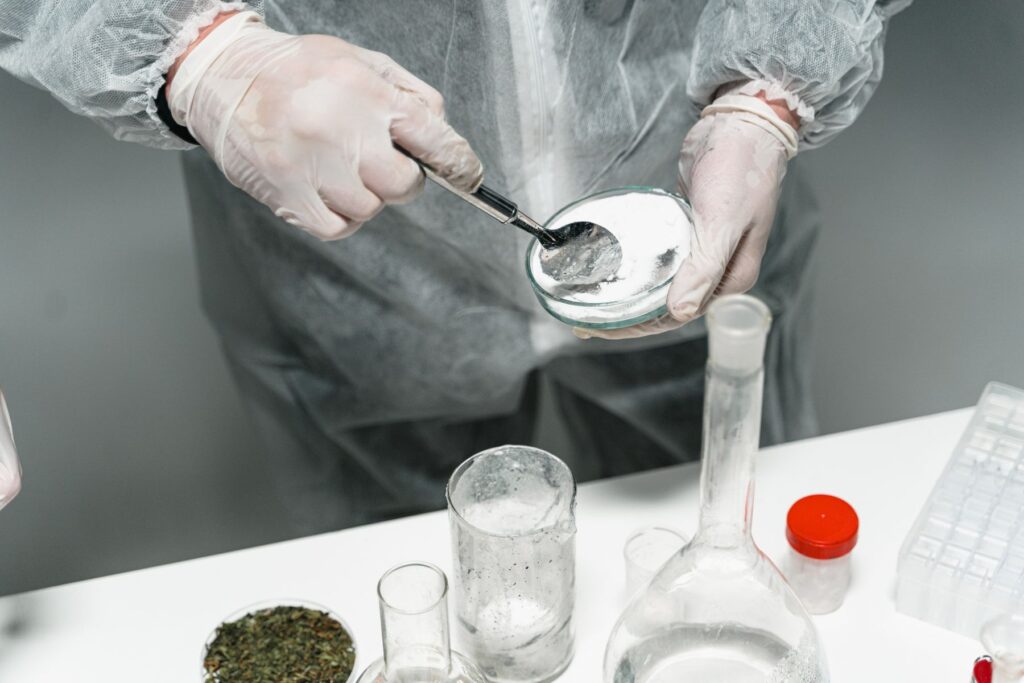
During the appointment, a trained technician collects wipe samples from selected floors, window sills, or window troughs. The client provides access to the rooms, while the technician measures the sampling areas and documents each location.
An accredited lab measures lead loading in micrograms per square foot. Clearance means results meet or fall below the current action levels.
Asbestos Material Sampling and Air Monitoring
A qualified professional collects small samples of suspect building materials or sets up air-monitoring equipment near the work area. Property owners should avoid cutting, scraping, or disturbing the material before the appointment.
Labs use polarized light microscopy (PLM) or transmission electron microscopy (TEM). Bulk testing identifies whether a material contains asbestos before it’s disturbed, while air monitoring helps evaluate airborne fibers during or after asbestos-related work.
Workplace Dust and Silica
An industrial hygienist attaches pumps and filters to workers or in areas for a full shift. Labs weigh total dust (gravimetric) or analyze crystalline silica. Reports compare exposures to OSHA limits and recommend controls.
Mold and General Indoor Particles
The inspector first examines the property for moisture sources, visible growth, and conditions that could support mold. You should point out leaks, odors, previous damage, and areas of concern, while the inspector decides whether surface or air sampling is appropriate.
Since there are no federal mold spore limits, results are interpreted with building history and moisture findings.
Examples
The examples below illustrate how sample count, property conditions, laboratory work, and reporting may affect the final price.
Post-Renovation Lead Clearance in a 1955 Bungalow
A window replacement stirred up paint dust in a small single-story home. A certified risk assessor collected 6 wipes across rooms and sills.
Lab results came back under EPA action levels after one round of HEPA vacuuming and wet cleaning. Total bill is around $480 including mobilization, 6 samples, and a same-week report.
Asbestos Testing Before a Coastal Home Renovation
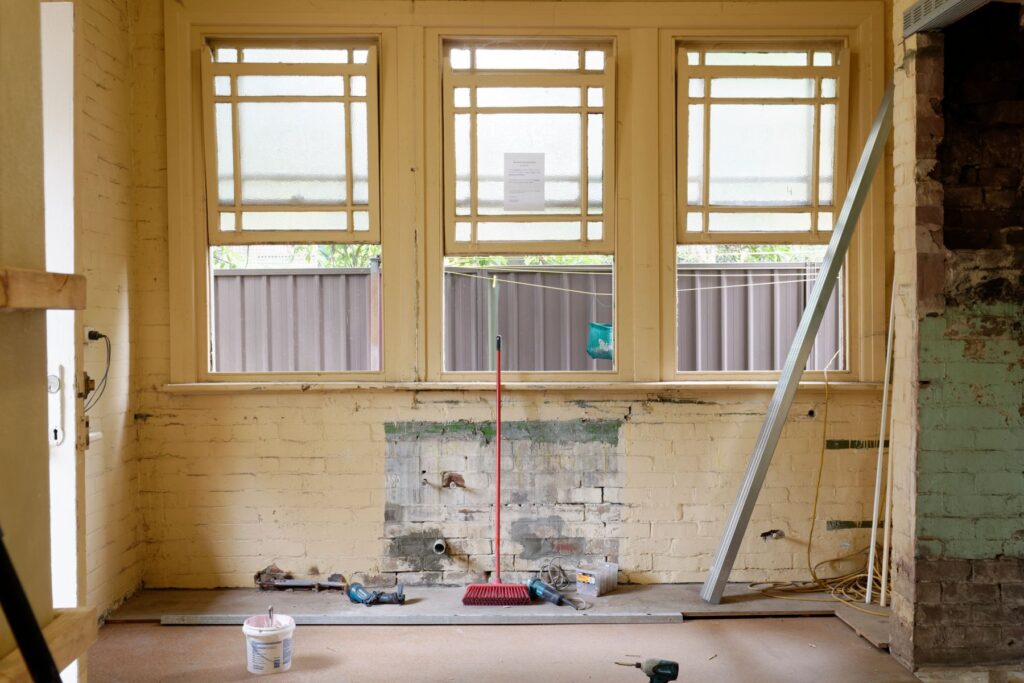
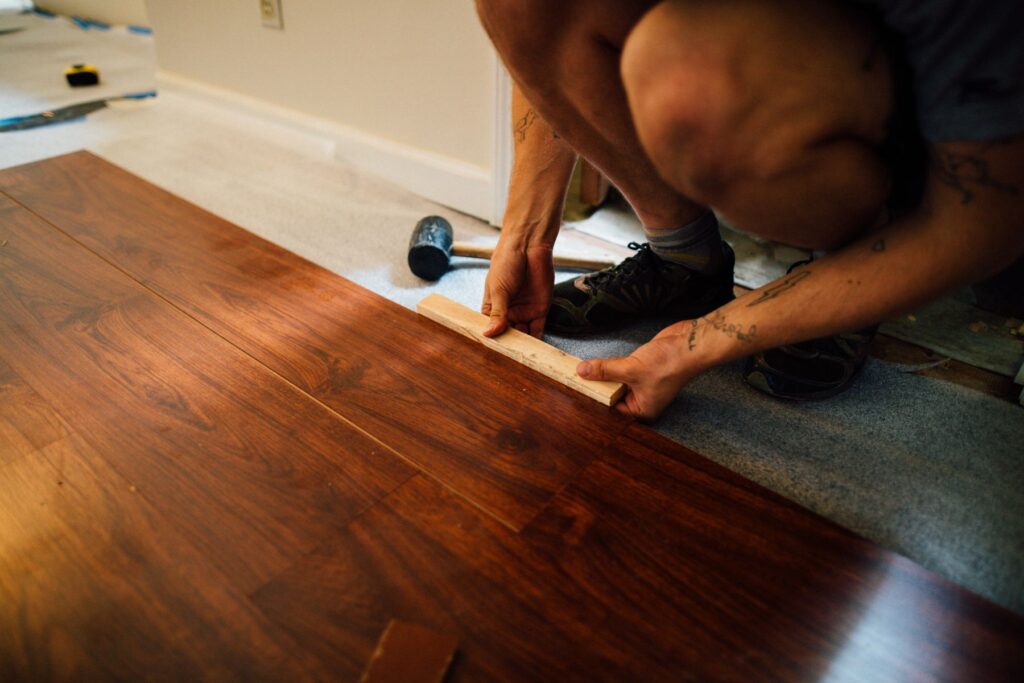
A homeowner preparing to replace flooring in an older Encinitas property requested testing before demolition began. A certified asbestos consultant reviewed the work area, selected representative flooring and mastic samples, and documented the findings in a written report.
The final price depended on the number of materials sampled, the requested turnaround, and whether air monitoring or additional project oversight was needed. Testing before work began helped the homeowner and contractor plan around confirmed results rather than assumptions.
Actionable Steps / Checklist
Use the following steps to prepare for testing and request an accurate estimate.
- Define your goal, whether it’s screening, clearance, or regulatory compliance.
- If your property was built before the mid-1980s, ask whether asbestos testing should be completed before flooring, roofing, wall, ceiling, or other building materials are disturbed. Lead testing is especially relevant for painted surfaces in homes built before 1978.
- List the rooms, materials, or work tasks that concern you and share them with the testing provider. The provider should determine the required sample count and whether quality-control or follow-up samples are needed.
- Explain whether you need an informal screening, a post-work clearance, or regulatory documentation. The testing provider can then confirm whether a mail-in kit, certified professional, or industrial hygienist is appropriate.
- Ask the testing provider which laboratory will analyze the samples and whether the laboratory holds the recognition required for your project. For regulated lead dust analysis, confirm that an NLLAP-recognized laboratory will be used.
- Ask about turnaround times and rush fees. Align with your project schedule.
- Before the appointment, clear access to the affected areas, identify the rooms or materials of concern, and secure pets. Leave sample selection, collection, labeling, and documentation to the testing professional.
- Budget for extras, including travel, after-hours access, re-cleaning, and second-round samples if initial results exceed targets.
- Keep records such as chain-of-custody forms, lab reports, and final clearance documentation.
Glossary
Demystifying these technical acronyms gives home renovators confidence when reviewing certified environmental testing estimates.
- Dust Wipe Sample: A lab-analyzed cloth sample that measures dust loading on a defined surface area.
- Clearance Level: The maximum dust or fiber level allowed after cleanup or abatement for the area to be considered complete.
- NLLAP: EPA’s National Lead Laboratory Accreditation Program that recognizes labs qualified to analyze lead in dust, paint, and soil.
- PEL: Permissible Exposure Limit; an OSHA-enforceable airborne concentration averaged over a work shift.
- TWA: Time-Weighted Average; an average exposure over a set period, often 8 hours.
- PCM: Phase Contrast Microscopy; a common method for counting airborne fibers like asbestos.
- TEM: Transmission Electron Microscopy; a more sensitive method that can identify very small fibers and structures.
- NIOSH Methods: Standard sampling and analysis procedures published by NIOSH for workplace contaminants.
FAQ
Q: How many samples do I need?
A: The required number depends on the contaminant, property layout, purpose of testing, and applicable protocol. Provide the testing professional with your property details and areas of concern so they can develop an appropriate sampling plan.
Q: Are DIY kits acceptable for official clearance?
A: DIY dust testing kits are usually not acceptable for official clearance. Post-abatement clearances and many regulated activities require certified professionals and accredited labs.
Q: How long do lab results take?
A: Many laboratories offer standard and expedited turnaround options, although timing varies by test type and laboratory capacity. Ask the provider to confirm the expected reporting date before sampling begins.
Q: Do I always need mold testing if I see mold?
A: Not typically. EPA notes that sampling is often unnecessary when mold is visible. Focus on fixing moisture and verifying cleanup.
Q: What makes workplace testing cost more?
A: Workplace testing may cost more due to professional time on site, calibrated equipment, multiple samples, documentation, and the formal report needed to meet OSHA requirements.
Final Thoughts
Choosing the right type of environmental testing helps you avoid unnecessary costs while providing reliable information about your property. Whether you’re planning a renovation, purchasing an older home, or verifying post-project cleanup in San Diego County, selecting the appropriate testing method makes the results more useful and cost-effective.
Ask your testing provider to confirm which certifications, laboratory credentials, and reporting requirements apply to your project. Allow time and budget for follow-up sampling if the initial results indicate that additional cleanup or evaluation is needed. A clear testing plan can reduce unnecessary sampling, limit project delays, and provide documentation that helps you decide what to do next.
When questions about asbestos, lead, mold, or unusual dust arise, clear findings can make renovation and property decisions feel more manageable. Rarefied Air Environmental combines certified asbestos and lead expertise, an in-house laboratory operating since 2022, and clear written reporting for properties throughout San Diego County.