
Indoor air concerns can come from many sources, but chemical emissions and moisture-related mold growth are two common possibilities. Depending on the property’s age and history, homeowners may also need asbestos or lead testing before renovation or demolition work.
That is why people often weigh VOC testing against mold testing. They’re not interchangeable. Each answers a different question.
This guide breaks down what VOCs and mold are, how the tests work, when each test makes sense, and what to do with the findings. You will get clear steps you can use today whether you rent, own, or manage a building.
Are you deciding between VOC and mold testing? Start with the building’s odors, moisture history, recent renovations, and occupant concerns. The right assessment helps identify likely sources and determine which corrective steps are appropriate.
TL;DR
- VOC testing looks for airborne chemicals from products, materials, or vapor intrusion; mold testing looks for fungus and moisture problems.
- If you have musty odors, visible growth, or a history of leaks, begin with a visual and moisture assessment. Testing may be appropriate when contamination is hidden, the extent is unclear, or written documentation is needed.
- If you have chemical odors after renovations or suspect off-gassing or vapor intrusion, targeted VOC testing is useful.
- There are no federal health-based mold spore limits. VOC standards depend on the specific chemical.
- Consumer TVOC monitors may show general trends, but laboratory sampling can identify specific compounds and provide more useful information for source investigation.
How the Two Problems Differ
Distinguishing chemical off-gassing from moisture-related microbial growth helps you choose the appropriate investigation. This can be especially useful in coastal San Diego County homes where renovations, plumbing leaks, condensation, and periods of elevated humidity may produce similar odors.
Rarefied Air Environmental provides mold, VOC, and indoor air quality testing throughout San Diego County, including La Jolla, Del Mar, Encinitas, and Carlsbad. Clients receive laboratory findings and clear reports that can guide their next steps.
What Are VOCs?
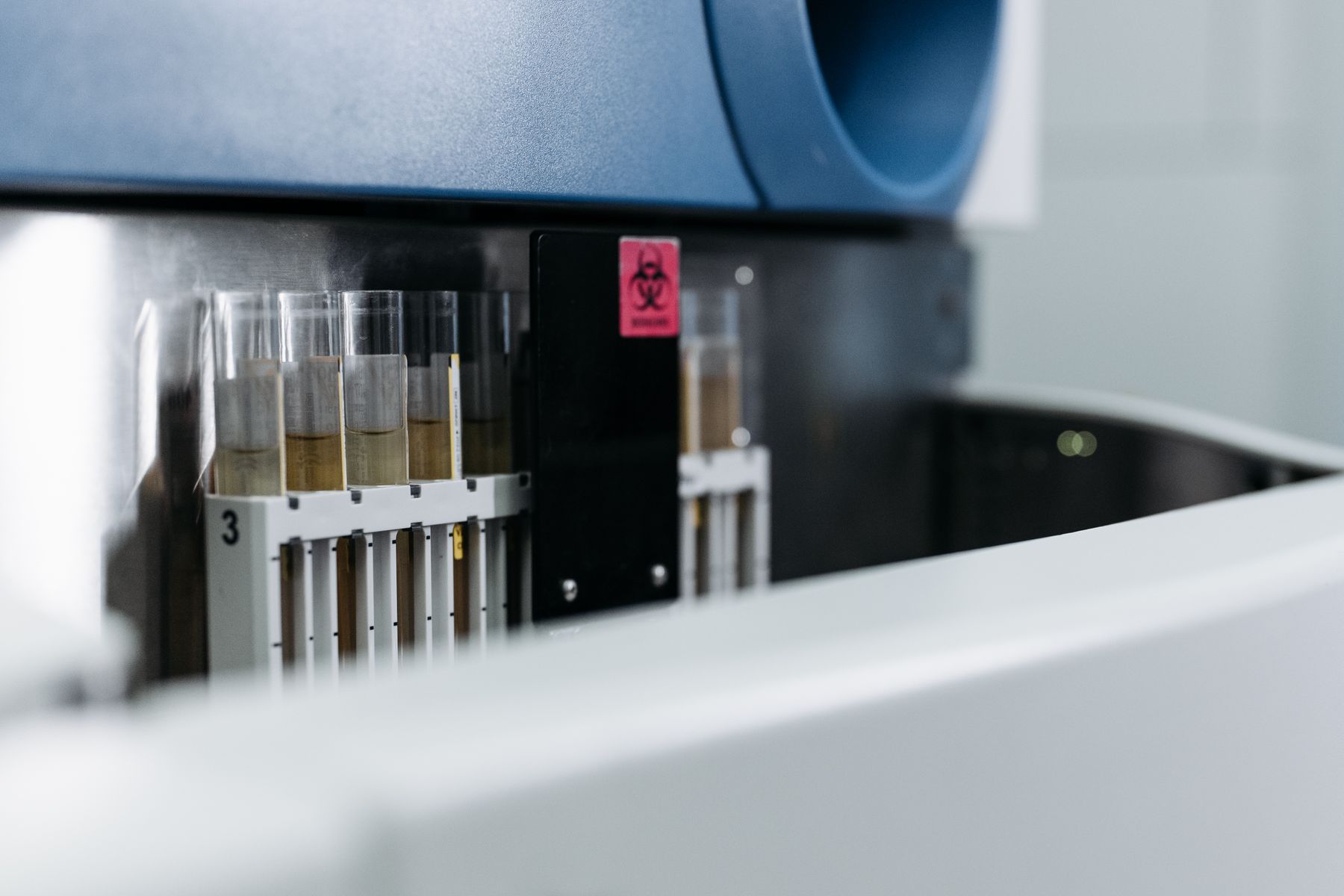
Volatile organic compounds are carbon-based chemicals that evaporate at room temperature. Common indoor sources include paints, adhesives, sealants, cleaning products, air fresheners, furnishings, composite wood, flooring, and other building materials.
Indoor levels can be higher than outdoors, and some VOCs can irritate eyes and airways or cause other health effects. There’s no single safe number for total VOCs. Risk depends on the compound and exposure.
What Is Mold and Why It Spreads Indoors
Mold is a fungus that grows on damp materials such as drywall, wood, carpet, and insulation. Mold and other microbes can release microbial volatile organic compounds, or mVOCs, that may contribute to musty odors.
However, an odor alone cannot confirm the presence, species, or extent of mold growth. Indoor mold growth indicates that moisture has affected a material long enough to support growth.
The moisture source should be identified and corrected before damaged materials are repaired or replaced. There are no federal limits for mold or mold spores in indoor air, and health effects vary by person and species.
VOC Testing vs Mold Testing At a Glance
Comparing airborne chemical risks against fungal growth helps pinpoint what is actually affecting your indoor environment so you can protect your family’s health without guessing.
In coastal communities such as La Jolla and Del Mar, persistent odors may be related to renovation materials, elevated indoor humidity, condensation, hidden leaks, or more than one condition.
| Topic | VOC Testing | Mold Testing |
| Main Question | Which chemicals are in the air and at what levels? | Is mold present or likely due to moisture, and what types are present? |
| Typical Triggers | New furnishings or renovations, chemical odors, headache/eye irritation, known spills, suspected vapor intrusion | Water stains, leaks, musty smell, visible growth, humidity issues, past water damage |
| Common Methods | Lab analysis of indoor air using canisters (EPA TO-15/TO-15A) or sorbent tubes with thermal desorption (EPA TO-17); compound-specific sampling such as formaldehyde badges; screening with handheld PIDs or consumer TVOC monitors | Visual and moisture assessment; air spore traps; surface tape-lifts or swabs; dust-based DNA methods such as ERMI (research tool); select cultures |
| Strengths | Identifies specific chemicals; can trace sources; supports mitigation like source removal or ventilation; essential for vapor intrusion work | Confirms mold presence and types; supports targeted remediation; documents post-remediation conditions when paired with inspection |
| Key Limits | TVOC readings lack specificity; results vary with time and ventilation; interpretation requires expertise | No federal numeric exposure limits; results can vary day to day; testing without solving moisture achieves little |
When to Choose One Test Over the Other
Recognizing specific triggers saves you time and guides you toward the exact solution your living space needs. Homeowners in Carlsbad and Encinitas can make confident, cost-effective decisions about their indoor air quality before small warning signs turn into costly repairs.
Start with what you can see, smell, and measure simply:
- As a property owner, renter, or manager, note visible growth, water stains, damp materials, musty odors, and any history of leaks. A qualified professional can then evaluate the moisture source and determine whether inspection alone or selective mold testing is appropriate.
- Note whether chemical odors or irritation began after painting, renovations, new furnishings, or changes in nearby land use. A testing professional can use that history to determine whether targeted VOC or formaldehyde sampling may answer the concern.
Situations That Favor VOC Testing
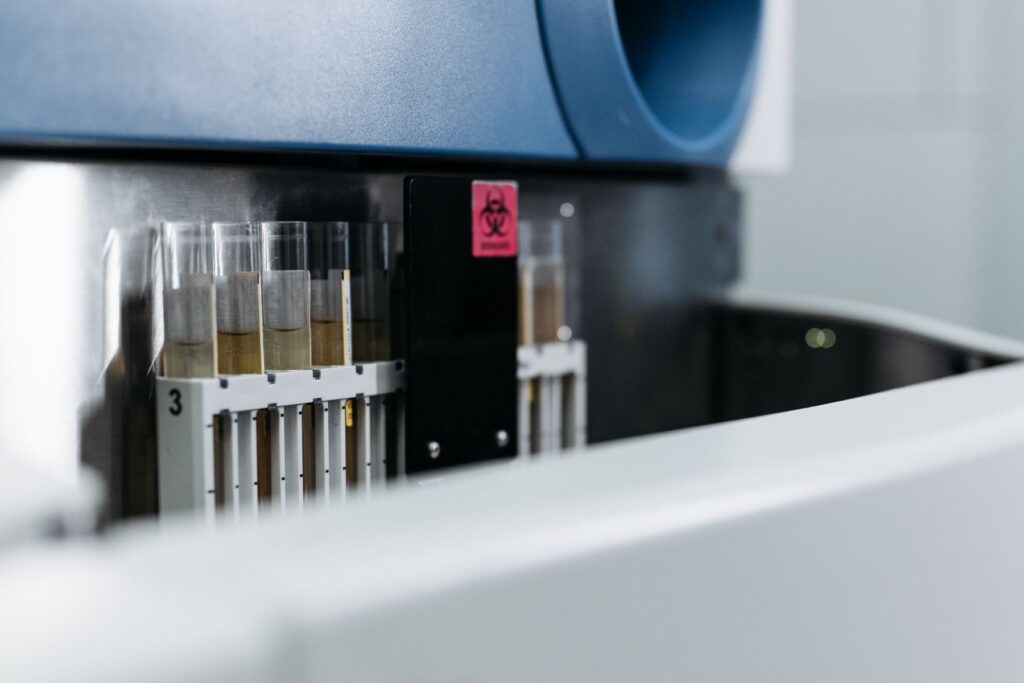
Targeted air sampling can identify VOCs associated with furnishings, paints, adhesives, cleaning products, building materials, and other potential chemical sources.
- Post-renovation or new furnishings where off-gassing is suspected.
- Chronic, non-musty chemical odors that don’t track with humidity or leaks.
- Suspected vapor intrusion from contaminated soil or groundwater. Specialized programs use screening levels to decide when to investigate and how to mitigate.
- Formaldehyde concerns from composite wood products. These are subject to federal emission standards at the product level.
Situations That Favor Mold Inspection and Selective Testing
Mold testing helps pinpoint hidden dampness behind drywall or beneath flooring. This can help stop structural decay before it spreads throughout your property.
- You see possible mold or notice a persistent musty odor, but the moisture source or affected area is not clear.
- You need documentation before or after remediation. Air and surface samples can support a thorough visual and moisture assessment.
- You are comparing rooms or verifying that musty odors resolved after repairs.
- Dust DNA tools such as ERMI exist, but EPA treats ERMI as a research tool, not a routine public screening. Treat results cautiously and lean on inspection findings.
How the Tests Work
Knowing how each method works helps you understand what the results can and cannot show. The testing professional selects the sample type, location, and collection method based on the property history and observed conditions.
VOC Testing Methods
Advanced laboratory canister and tube collection techniques break down complex chemical compounds into straightforward, clear findings.
- Canister sampling (EPA TO-15/TO-15A): Draws room air into a special stainless canister. A lab uses gas chromatography/mass spectrometry to report dozens of specific VOCs. Good for chlorinated solvents, petroleum compounds, and many indoor sources.
- Sorbent tube sampling (EPA TO-17): A pump pulls air through a tube that traps VOCs. The lab heats the tube and analyzes the released chemicals by GC/MS. This method can capture many VOCs, although the compounds measured depend on the sorbent material, sampling volume, and laboratory method.
- Formaldehyde and aldehydes: Sampled on treated cartridges or badges, then analyzed by HPLC.
- Screening tools: Handheld PIDs or consumer TVOC sensors show trends but cannot tell you which chemicals are present or their exact concentrations.
Mold Testing Methods
Surface samples, air spore traps, and moisture measurements provide different pieces of information about conditions in the sampled areas.
- Visual and moisture survey: A qualified inspector reviews visible conditions and may use moisture meters, borescopes, and humidity readings to identify areas that need closer evaluation.
- Air spore traps: The inspector collects indoor samples and, when appropriate, an outdoor reference sample. A laboratory examines the collected particles, and the consultant interprets the results with the building findings.
- Surface tape-lifts or swabs: Confirm visible growth and identify the mold type on materials.
- Dust DNA methods (ERMI): Analyze settled dust for mold DNA to estimate moldiness. It’s helpful in research and some comparative assessments but not a stand-alone diagnostic for building decisions.
Making Sense of Results
For VOCs, the compound list matters more than a single TVOC number. Your consultant should compare the detected compounds with possible sources such as paints, adhesives, cleaners, fuels, furnishings, or nearby contamination. The report can then help you decide whether source removal, ventilation changes, or further investigation is appropriate.
Some programs and certifications use the CDPH Standard Method v1.2 to assess low-emitting products. As the property owner or manager, use the inspection findings to arrange moisture repairs and any necessary remediation.
The testing provider can document the conditions but shouldn’t be confused with the contractor performing the cleanup. Testing can support decisions, although the endpoint is a dry structure with no visible growth or musty odor.
Examples
These scenarios show how targeted environmental assessments bring relief and fresh air back into homes dealing with stubborn odors or hidden moisture damage.
Post-Renovation Odor
A family replaces flooring and installs new cabinets. Weeks later, they notice a sweet chemical odor and eye irritation, worst in the evenings with windows closed. A lab VOC test using sorbent tubes finds elevated formaldehyde and several solvents tied to adhesives.
The solution combines source control (airing out, sealing edges, replacing a high-emitting adhesive panel), enhanced ventilation for a few weeks, and interim carbon filtration. Symptoms resolve as emissions decline.
Basement Leak and Musty Smell
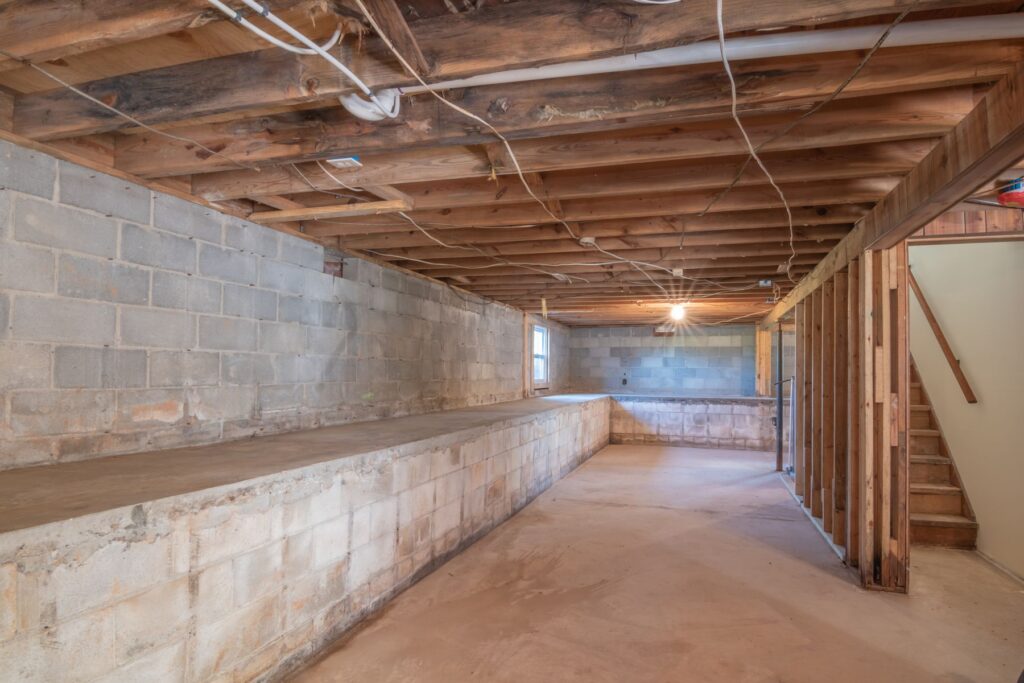
A homeowner discovers a small foundation crack after heavy spring rains. The basement smells musty, and there are dark patches on the back of a closet wall. A qualified inspector maps moisture, opens a limited access, and confirms mold on paper-faced drywall.
They skip routine air testing, fix drainage and the crack, remove damaged drywall, dry the assembly, HEPA vacuum, and clean. A brief post-remediation visual and moisture check confirms dry materials and no musty odor. No further testing is needed.
Actionable Steps / Checklist
Following a practical checklist empowers you to take control of your home’s indoor climate and eliminate health hazards step by step.
- Control moisture first: Keep indoor relative humidity near 30% to 50%. Fix leaks, drainage, and condensation. Dry wet materials within 24 to 48 hours.
- If you suspect mold: Document visible staining, odors, leaks, and affected rooms without disturbing suspected growth. A qualified inspector can evaluate concealed areas, measure moisture, and determine whether air or surface sampling is warranted.
- If you suspect VOCs: Make a list of recent renovations, new products, stored chemicals, attached-garage conditions, and when odors occur. Share that information with the testing provider so the sampling plan can target likely compounds and sources.
- Choose qualified help: Look for a provider that evaluates the building before selecting samples, uses qualified laboratories, and offers a range of environmental testing services. If concerns extend beyond mold or VOCs, older homes may also benefit from asbestos or lead testing.
- Use monitors wisely: Treat low-cost TVOC readings as trend indicators only. Confirm important findings with laboratory methods.
Glossary
Familiarization with key industry terms transforms complex air quality reports into clear, useful knowledge you can trust.
- VOC: Volatile organic compound; a carbon-based chemical that evaporates into air at room temperature.
- TVOC: Total VOC; a catch-all reading of many VOCs that does not identify specific chemicals.
- mVOC: Microbial VOC; gases released by microbes that can create a musty odor.
- Vapor Intrusion: Movement of subsurface chemical vapors into buildings, affecting indoor air.
- Spore Trap: An air sample that collects airborne mold spores for microscopic identification.
- ERMI: Environmental Relative Moldiness Index; a dust-based DNA tool developed for research use.
- TO-15/TO-17: EPA lab methods for identifying VOCs in air using canisters (TO-15) or sorbent tubes (TO-17).
- Post-Remediation Verification: Inspection and, if needed, testing to confirm successful mold cleanup.
FAQ
Q: Do I need mold testing if I already see mold?
A: Usually no. Fix moisture and remove moldy materials. Testing is most helpful when the source is unclear, or you need documentation.
Q: Is there a safe TVOC level I should aim for?
A: There’s no universal indoor TVOC limit. Decisions should be based on the specific chemicals detected and credible health guidance for those compounds.
Q: Are consumer air quality monitors good enough?
A: While air quality monitors can show trends, they don’t identify specific VOCs or measure mold. Use them to guide ventilation and cleaning, then confirm important issues with lab methods.
Q: When should I consider vapor intrusion?
A: If your building sits over or near known soil or groundwater contamination or you smell chemical odors without an indoor source, consult local records and consider a vapor intrusion screening led by qualified professionals.
Q: What proves mold cleanup worked?
A: A post-remediation inspector evaluates moisture readings, visible conditions, and the original scope of work. When the project requires additional documentation, the inspector may also collect targeted air or surface samples.
Final Thoughts
VOC and mold testing aren’t interchangeable, and some properties may require both. Moisture history, visible conditions, odors, recent renovations, and occupant concerns should guide the type of assessment performed. The right test supports a simple goal: clean, dry materials and fresh indoor air.
Rarefied Air Environmental can assess building conditions, recommend the appropriate environmental testing, and provide documented findings through its in-house laboratory.
Does your concern involve mold, VOCs, asbestos, lead, or indoor air quality? Homeowners, property managers, businesses, and real estate professionals throughout San Diego County receive the information they need to make informed decisions.