
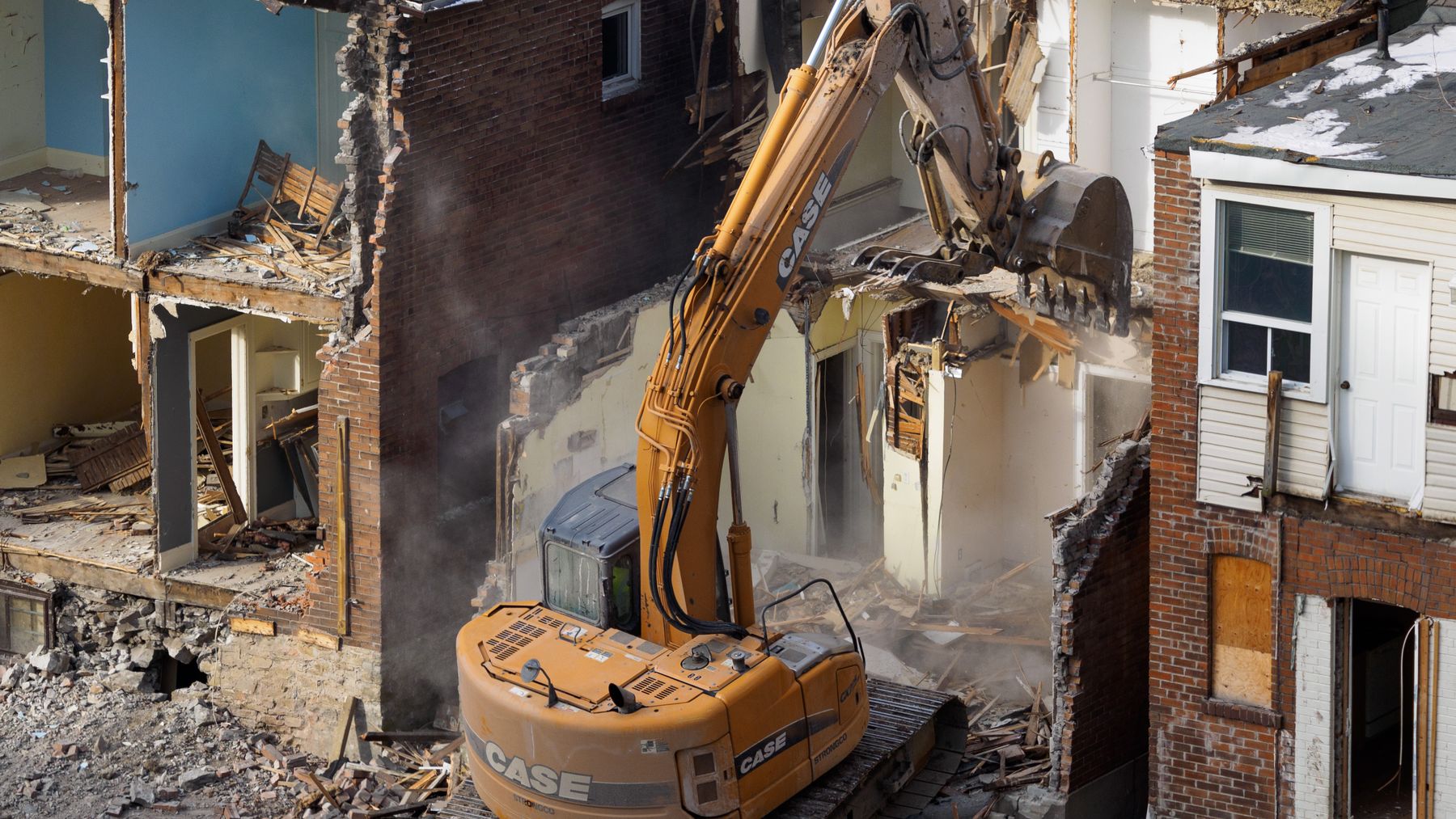
If you’re planning to renovate an older home along the San Diego coast or demolish a property farther north in Orange County, the asbestos rules you need to follow depend on your property’s location. The San Diego County Air Pollution Control District enforces Rule 1206, while South Coast AQMD enforces Rule 1403 in Orange County.
Both rules aim to prevent asbestos fibers from becoming airborne, but they differ on who must survey, when you must notify, and what counts as an exempt job. Understanding these differences before work begins can help you avoid unexpected testing requirements, permit delays, and costly changes to your construction schedule.
If you’re unsure which asbestos requirements apply to your property, Rarefied Air Environmental can survey the affected building materials and provide a written report identifying asbestos-containing materials before renovation or demolition begins.
TL;DR
- Rule 1206 generally exempts qualifying residential buildings with four or fewer dwelling units, while Rule 1403 requires demolition notifications for single-family homes in Orange County.
- Both districts generally require 10 working days’ notice for regulated projects, but qualifying emergencies have different notification procedures.
- San Diego accepts qualified AHERA Building Inspectors and recognized CAC/CSST credentials. Orange County requires surveys by appropriately certified asbestos professionals, with a CAC signing the final report.
- San Diego applies specific renovation and RACM thresholds, while Orange County may require notification and an approved cleanup plan for damaged or improperly disturbed asbestos even below 100 square feet.
- Federal NESHAP is the floor. Local rules can be stricter, as in Orange County.
How the Two Rules Work
Before scheduling a renovation or demolition, you need to know which asbestos regulations apply to your property. Rule 1206 and Rule 1403 have different requirements for surveys, notifications, and exemptions. Understanding these differences helps you plan the right inspections and avoid delays before construction begins.
The Jurisdictions You Are Dealing With
The San Diego County Air Pollution Control District (SDAPCD) enforces Rule 1206 throughout San Diego County, including communities such as La Jolla, Del Mar, Encinitas, and Carlsbad.
Meanwhile, the South Coast Air Quality Management District (South Coast AQMD) enforces Rule 1403 in Orange County (and Los Angeles, plus parts of Riverside and San Bernardino).
The Federal Baseline You Cannot Ignore
EPA’s asbestos NESHAP (40 CFR 61, Subpart M) establishes federal requirements for covered demolition and renovation projects.
Residential buildings with four or fewer dwelling units are generally excluded unless they qualify as part of a larger regulated installation. State and local requirements may still apply. Local districts can adopt stricter rules, and South Coast AQMD does.
Rule 1206 vs. Rule 1403: The Big Differences
Recognizing these core contrasts helps property owners stay compliant when crossing county lines and makes it easier to bring in qualified environmental professionals who can handle every detail with confidence.
| Factor | Rule 1206 (San Diego County) | Rule 1403 (South Coast AQMD, incl. Orange County) |
| Who Must Survey | Person who passed an EPA‑approved AHERA Building Inspector course | California Certified Asbestos Consultant (CAC) must perform and sign the survey |
| Demolition Of A House | Most single‑unit to 4‑unit residential demolitions are exempt from Rule 1206; district notice generally not required | Demolition notification required 10 working days (or 14 calendar days) before any demolition, including single‑family homes |
| Renovation Thresholds | Many requirements kick in at 100 sq ft surface area or 20 cu ft not readily measurable | Notification required for removal of more than 100 sq ft of intact ACM; if ACM is damaged or disturbed, any amount can trigger notification and a Procedure 4 or 5 plan |
| Notification Timing | Submit at least 10 working days before start; emergencies notify by next working day | Submit at least 10 working days (or 14 calendar days) before start; emergencies handled per AQMD guidance |
| How To Notify | SDAPCD online asbestos notification; fees set under District Rule 40 | Rule 1403 online web app for contractors; homeowners have a mail‑in option for single‑family demolitions |
| Supervisor/Training | At least one onsite representative must hold an AHERA Asbestos Contractor/Supervisor certificate, with annual refresher | Training and contractor registration rules apply; AQMD adds specific procedure requirements; only CAC/CSST can assume ACM for surveys |
| Notable Extras | Clear site survey rules and onsite documentation; visible‑emission and waste‑handling controls align with NESHAP | “Procedure 5” site‑specific cleanup plan required for contaminated or disturbed ACM; broader demolition notification reach |
Key Requirements
Before starting renovation or demolition, property owners and contractors should confirm which asbestos surveys, notification deadlines, and removal requirements apply. These obligations vary by district, project type, and the materials involved.
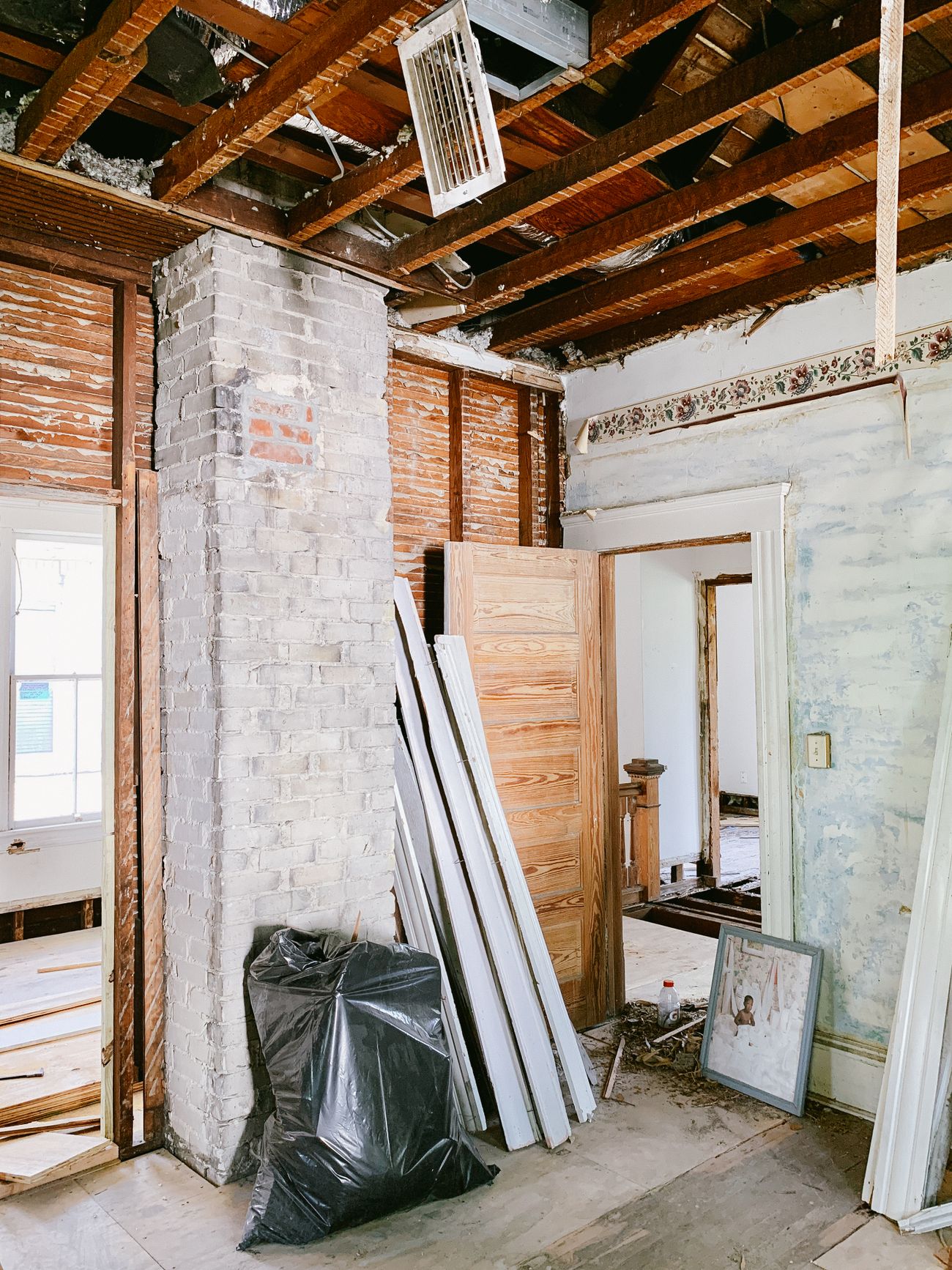
Surveys Before Touching Anything
For covered projects under San Diego Rule 1206, arrange an asbestos survey before renovation or demolition begins. The inspector must meet SDAPCD qualifications, including current AHERA Building Inspector training or recognized CAC/CSST certification. Keep the completed survey onsite during regulated work.
In contrast, Orange County Rule 1403 requires arranging a survey conducted by a qualified CAC or CSST, with the final report signed by a CAC. The survey must identify suspect materials before demolition or renovation begins. Certain residential renovations qualify for limited exemptions.
Notifications and Timing
For projects requiring notification, both districts generally require at least 10 working days’ advance notice. San Diego allows next-working-day notification and approval for qualifying emergency projects. Orange County has separate emergency provisions, including notification before regulated emergency work begins.
In Orange County, even a detached single-family home demolition requires South Coast AQMD notification. Property owners must provide the required notification documentation to the local building department before receiving a demolition permit.
If your San Diego project requires asbestos notification, confirm who will submit the notice and pay the applicable fees. The property owner or responsible contractor should also track deadlines and required revisions, since missed payments can invalidate a notification.
Thresholds and Triggers
San Diego’s Rule 1206 generally exempts renovations disturbing less than 100 square feet of building materials, or less than 20 cubic feet where surface area cannot be measured. Separate notification thresholds apply to RACM. Qualifying residential buildings with four or fewer dwelling units are generally exempt, subject to exceptions.
For Orange County, certain renovations involving less than 100 square feet of intact asbestos-containing material are exempt from notification. However, damaged or improperly disturbed asbestos may require a district-approved cleanup plan regardless of quantity. Demolition notifications are required even when the survey finds no asbestos.
Work Practices and Waste Handling
For regulated asbestos removal, your abatement contractor must follow the applicable containment, wetting, waste packaging, labeling, and disposal requirements. These precautions help limit airborne asbestos fibers and prevent contamination during the project.
If your Orange County project involves damaged or improperly disturbed asbestos, have a qualified asbestos professional assess the affected materials before cleanup begins. A CAC may need to prepare a Procedure 4 or 5 plan for South Coast AQMD approval. Your abatement contractor can then carry out the required removal procedures.
Training and Oversight
For covered asbestos removal projects in San Diego, confirm that your contractor provides the required AHERA-trained supervision. Applicable training documentation must be available onsite during regulated work.
In Orange County, confirm that your asbestos removal contractor meets applicable AHERA training, California licensing, and Cal/OSHA registration requirements. South Coast AQMD may inspect the project and review documentation to confirm compliance.
Examples
These scenarios show how asbestos requirements can affect real renovation and demolition projects. Whether you’re a homeowner, property manager, or contractor, understanding the applicable rules can help you plan inspections and notifications before work begins.
Tenant Improvement in Downtown San Diego
A contractor plans to remove 1,200 sq ft of old floor tile and mastic from a 1970s office. A qualified inspector surveys the materials to determine their asbestos content, condition, and whether the planned removal involves regulated asbestos-containing material (RACM).
If Rule 1206 requires notification, the property owner or responsible contractor must submit it to SDAPCD at least 10 working days before regulated work begins. The notice includes asbestos quantities, removal methods, and supervision details. Any RACM that could be disturbed during subsequent structural demolition must be properly addressed before demolition proceeds.
House Demolition in Orange County
A homeowner is tearing down a detached single‑family house in Irvine. Even if the survey finds no asbestos, South Coast AQMD still requires a demolition notification 10 working days (or 14 calendar days) in advance.
The city will not issue the demolition permit without proof of AQMD notice. If the survey identifies damaged asbestos-containing stucco or duct wrap, the CAC evaluates the condition and determines the appropriate cleanup procedure. A Procedure 4 or 5 plan may be necessary, depending on the proposed work.
Actionable Steps / Checklist
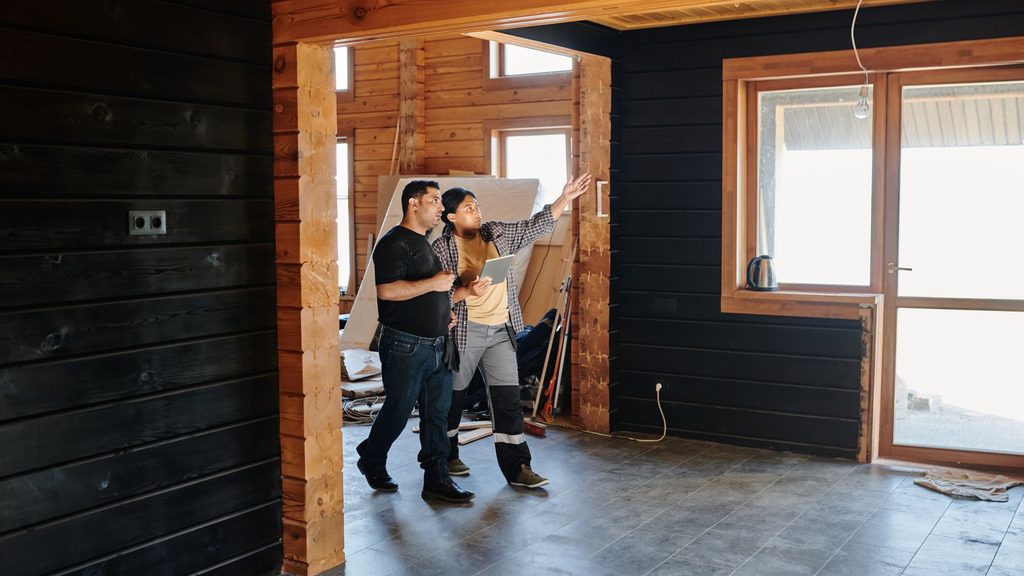
If you’re preparing a renovation or demolition, use this checklist to identify the asbestos requirements that may affect your project. Coordinate surveys and testing with a qualified asbestos consultant while your contractor handles applicable removal and construction requirements.
- First, identify your air district, whether it’s SDAPCD for San Diego County or South Coast AQMD for Orange County.
- Arrange an asbestos survey with a qualified inspector who meets your district’s requirements. In Orange County, the final survey report must be signed by a CAC.
- Decide whether your project is a demolition or renovation. Orange County demolitions always require AQMD notice.
- Review the applicable renovation thresholds, asbestos quantities, and material conditions. Don’t assume a project is exempt simply because the affected area is smaller than 100 square feet.
- Determine whether your project requires district notification and who will submit it. Use the SDAPCD process for San Diego projects or South Coast AQMD’s applicable notification process for Orange County.
- Submit at least 10 working days before start. Use emergency pathways only when justified.
- Verify that your asbestos removal contractor has the required training, licensing, registration, and on-site supervision for the project.
- Have your abatement contractor document the applicable containment methods, asbestos removal procedures, waste handling, and disposal arrangements.
- Keep required surveys, notification records, supervisor credentials, and applicable waste shipment documents available onsite for district inspections.
- Coordinate with building officials. Expect to show AQMD proof in Orange County before a demolition permit is issued.
Glossary
You may encounter these terms in asbestos survey reports, contractor estimates, and district notification forms. Understanding them can help you review project requirements and discuss the next steps with qualified professionals.
- ACM: Asbestos‑containing material, more than 1 percent asbestos by lab analysis.
- RACM: Regulated asbestos-containing material that is friable or meets specific regulatory criteria based on its condition and potential to release asbestos fibers during renovation or demolition.
- Friable: Material that can be crumbled or reduced to powder by hand pressure when dry.
- AHERA Building Inspector: EPA‑approved training for inspectors who survey buildings for asbestos.
- CAC: California Certified Asbestos Consultant; authorized to survey, sign reports, and prepare AQMD Procedure plans.
- Procedure 5: A South Coast AQMD-approved alternative asbestos removal or cleanup method used when specified conditions require techniques outside standard procedures.
- NESHAP: Federal National Emission Standards for Hazardous Air Pollutants; asbestos rules at 40 CFR 61 Subpart M.
- Working Day: Monday through Friday, including holidays that fall on those days, as defined by Rules 1206 and 1403.
FAQ
Q: Do I need to notify for a single‑family house demolition in Orange County?
A: Yes. South Coast AQMD requires demolition notification even for single‑family homes, and cities will ask to see proof before issuing a demolition permit.
Q: Can my regular contractor perform an asbestos survey in Orange County?
A: Only if the contractor holds the required asbestos inspection certification. A qualified CAC or CSST can conduct the survey, but a CAC must sign the final report. A general contractor without these qualifications cannot substitute for a certified asbestos professional.
Q: What if I discover asbestos mid‑project?
A: Stop work in the affected area and avoid further disturbing the material. A qualified asbestos professional can assess and test the suspect material before work resumes. Depending on the district, the material’s condition, and the project scope, you may need additional containment, notification, or an approved cleanup plan.
Q: How long is my notification good for?
A: San Diego’s Rule 1206 notifications generally expire 365 days after their effective date. Projects extending beyond that period require a new notification. South Coast AQMD has separate requirements for reporting changes to project dates, asbestos quantities, and other notification details.
Q: Are small jobs always exempt?
A: No. Both districts provide specific exemptions, but eligibility depends on the property, project type, asbestos quantity, and material condition. Even when district notification isn’t required, worker safety, licensing, and waste disposal requirements may still apply.
Final Thoughts
Rule 1206 and Rule 1403 share the same goal of limiting asbestos emissions, but their requirements can affect your renovation or demolition plans differently. Knowing which district regulates your property helps you arrange the right survey, understand notification requirements, and avoid preventable delays.
For older coastal homes around San Diego and properties undergoing renovation or demolition in Orange County, identifying suspect asbestos-containing materials early can make planning easier. Rarefied Air Environmental provides asbestos testing, material sampling, laboratory analysis, and written reports to help you understand potential asbestos hazards before construction begins.