
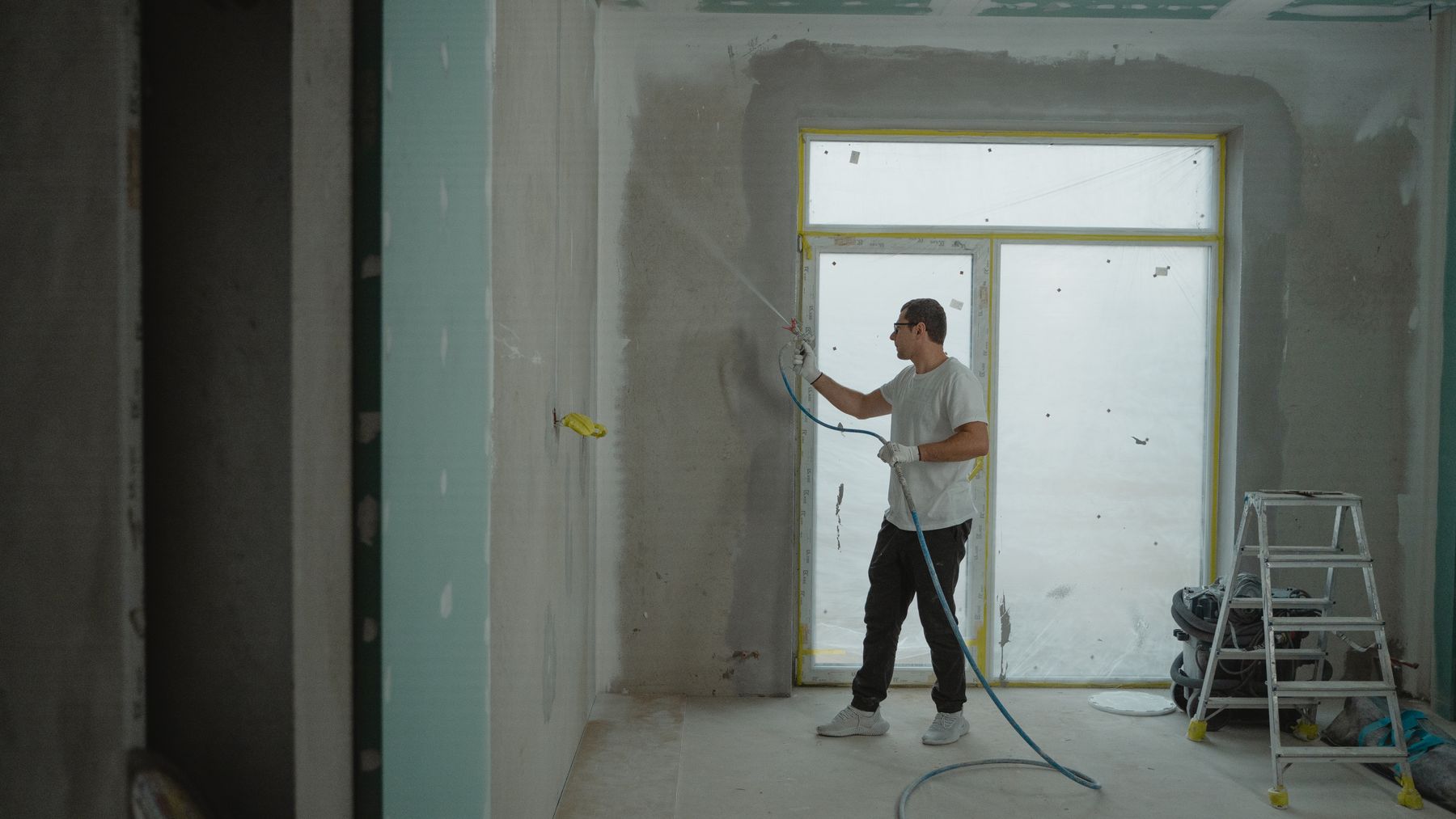
Renovating an older Orange County property can trigger asbestos requirements you might not expect. South Coast AQMD’s Rule 1403 governs asbestos surveys, removal procedures, and notification requirements before certain demolition and renovation projects begin.
Whether you’re remodeling a home or preparing a commercial building for demolition, understanding these rules can help prevent unexpected delays and asbestos exposure risks. Based in San Diego and serving Orange County property owners, Rarefied Air Environmental provides asbestos testing and surveys to identify suspect materials before work begins.
This guide explains Rule 1403 in plain English, shows how it fits with federal and state rules, and gives you a clear checklist to follow.
TL;DR
- Most demolition and renovation projects require an asbestos survey before work begins. If you will disturb asbestos-containing materials, you must evaluate and handle them according to applicable Rule 1403 requirements.
- South Coast AQMD must receive written notice at least 10 working days before any demolition and most larger renovations.
- Qualifying renovations involving less than 100 sq ft of asbestos-containing material may be exempt from AQMD notification. Survey exemptions are narrower, and other asbestos safety requirements may still apply.
- Fire‑damaged or disaster debris often needs a pre‑approved Procedure 5 cleanup plan.
- Federal NESHAP thresholds (160 sq ft, 260 linear ft, 35 cu ft) still matter, and Cal/OSHA worker‑safety rules apply in addition to AQMD requirements.
What Rule 1403 Covers in Orange County
South Coast AQMD is the air agency for all of Orange County. Rule 1403 controls asbestos emissions during demolition and renovation. It sets four pillars:
- Survey before work
- AQMD notification
- Strict removal and handling procedures
- Recordkeeping/disposal
Rule 1403 applies to many residential and commercial projects, including work on older Orange County homes. Asbestos may still be present in flooring, roofing, insulation, and adhesives, particularly in properties built before the mid-1980s.
Key terms, briefly:
- Asbestos‑containing material (ACM) is any material with more than 1% asbestos, as determined by lab analysis.
- Friable means the material can be crumbled by hand pressure when dry.
- Nonfriable materials are tougher but can become friable if you cut, sand, or abrade them.
Who Must Comply and When
Before starting renovations, you should determine whether your project requires an asbestos survey, AQMD notification, or professional asbestos removal. Knowing these requirements early can help you avoid unexpected costs and project delays.
Demolition vs. Renovation
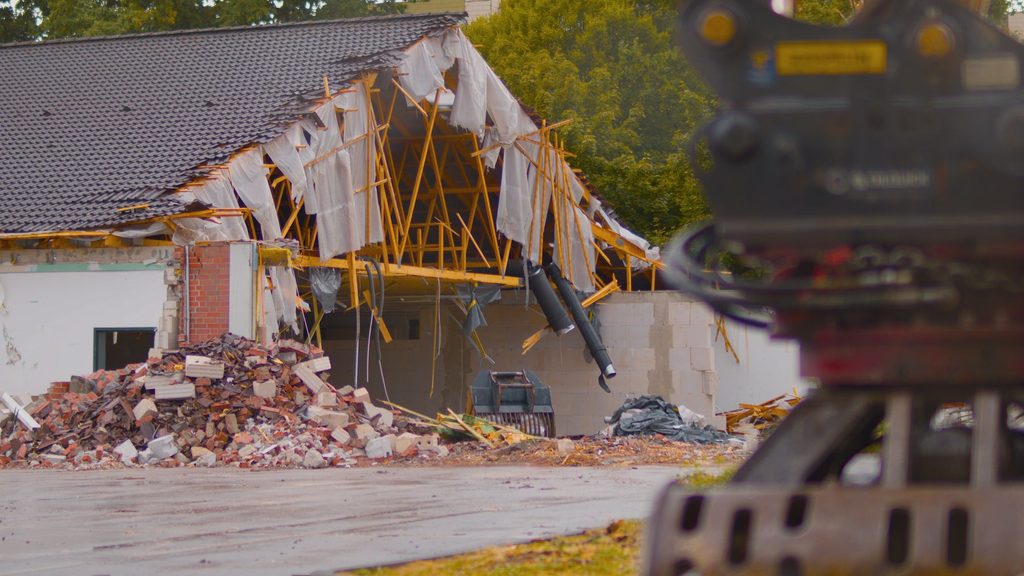
Demolition means wrecking or removing load‑supporting structural members or burning a structure. Rule 1403 requires a thorough asbestos survey first and a written 10‑working‑day notice to AQMD before demolition begins.
If ACM is present, remove it before demolition using approved procedures, except for specific emergency or ordered demolitions that still require notice and controls.
Renovation includes altering a facility or removing components, like old floors, ceilings, drywall, mastic, or pipes. Most renovations require a prior asbestos survey. Notification depends on the amount and scenario.
Owner‑Occupied Single‑Family Exemptions
If you personally renovate the single-unit home you own and occupy, you may qualify for Rule 1403’s owner-occupant exemption. This exemption doesn’t apply if you hire contractors or others to do the work.
A separate exemption waives Rule 1403’s survey requirement for qualifying single-unit residential renovations involving less than 100 sq ft of asbestos-containing material. However, this doesn’t eliminate other applicable asbestos safety requirements.
That said, if a contractor is involved, Cal/OSHA and licensing rules may still require certifications and safe practices. Even when a Rule 1403 exemption applies, properly disposing of asbestos waste and avoiding visible emissions remain essential.
The Required Asbestos Survey
Before most demolition or renovation, a thorough survey must be performed by a Cal/OSHA‑certified Asbestos Consultant (CAC) who has also completed an EPA‑approved Building Inspector course.
The survey must identify and quantify all suspect materials that might be disturbed, including layers of flooring down to the joists and materials inside wall and ceiling cavities as needed. For demolitions, limited surveys aren’t enough. The inspection must be comprehensive.
As the property owner, arrange the required survey before demolition or renovation begins, and ensure the report is available at the worksite. Our certified asbestos consultants can inspect suspect materials, arrange laboratory testing, and prepare a written report to help you and your contractor plan the next steps.
Notifications and Timelines
Before scheduling demolition or asbestos removal, confirm with your contractor whether AQMD notification is required and who will submit it. File required notices within the applicable timeframe to avoid delays.
- Standard timing: When notification is required, confirm that the responsible party submits it to South Coast AQMD at least 10 working days before work begins. Contractors generally use the Rule 1403 online notification system and pay the applicable fee.
- Emergency work: Notify AQMD as soon as possible but before starting emergency demolition or emergency renovation.
- Small jobs: Qualifying renovations involving less than 100 sq ft of intact asbestos-containing material generally do not require Rule 1403 notification. This exemption applies to residential and commercial projects, though other regulatory requirements remain.
- Annual planned renovations: If you have recurring small unscheduled operations, annual notifications may apply.
Safe Removal and Disposal Basics Under Rule 1403
If asbestos-containing material must be removed, your qualified abatement contractor must follow the applicable Rule 1403 procedure:
- Procedure 1: Negative‑pressure containment with HEPA filtration, continuous operation during removal and cleanup, and wet methods.
- Procedure 2: Proper glovebag or mini‑enclosure methods for small, contained pipe or fitting work.
- Procedure 3: Adequate wetting for certain nonfriable materials with careful techniques and non‑power tools.
- Procedure 4: Dry removal only with written AQMD approval when wetting is not feasible for safety or equipment‑damage reasons.
- Procedure 5: Approved alternative, required for fire‑, explosion‑, or disaster‑damaged ACM and some special cases; must be pre‑approved in writing.
For handling and disposal, your asbestos abatement contractor must follow the required removal, containment, packaging, and disposal procedures. As the property owner, request copies of applicable waste shipment records and other documents for your project files.
How Rule 1403 Interacts With Federal and State Rules
Federal NESHAP (40 CFR 61, Subpart M) sets national asbestos demolition/renovation standards. It requires notification and specific work practices and uses threshold amounts of regulated ACM: 160 sq ft on surfaces, 260 linear ft on pipes, or 35 cu ft of debris when area/length is not measurable. South Coast AQMD enforces NESHAP locally.
Cal/OSHA standards protect workers during asbestos work. California generally requires Cal/OSHA registration and the appropriate CSLB asbestos credential for contractors performing asbestos-related work involving 100 sq ft or more of applicable materials.
Smaller projects may have different requirements, but worker protection and safe handling rules still apply. Cal/OSHA rules can apply even when Rule 1403 grants a notification or survey exemption.
Do I Need a Survey, AQMD Notice, and Licensed Abatement?
Evaluating your project parameters against local environmental regulations ensures you choose the correct path forward without paying for unnecessary steps.
| Scenario | Survey Required | AQMD 10‑Working‑Day Notice | Who Can Remove ACM |
| Any demolition (commercial, multifamily, or single‑family) | Yes, thorough survey | Yes, before start (emergency exceptions apply) | Appropriately qualified asbestos abatement contractor; licensing and registration depend on the scope of work |
| Renovation at non‑residential or multifamily property | Yes, for affected areas | Generally required when 100 sq ft or more of ACM is removed; check applicable exemptions | Appropriately qualified asbestos contractor; registration and licensing requirements depend on the work |
| Single‑family, owner‑occupant doing own work | Rule 1403 does not apply to the owner‑occupant’s personal renovation | Not required under Rule 1403 | Strongly recommended to hire pros; follow safe handling and legal disposal |
| Single‑family with contractor, <100 sq ft ACM | Generally exempt from Rule 1403 survey requirements for qualifying single-unit residential renovations | Notification exempt under Rule 1403 | Contractor must follow Cal/OSHA requirements; disposal and emission controls still apply |
| Fire‑ or disaster‑damaged ACM | CAC survey plus Procedure 5 plan required | Notify ASAP and before work | Cal/OSHA‑registered abatement contractor using approved plan |
Note: City or county building departments may ask for AQMD proof during permitting. Always align permit timing with the AQMD notification clock.
Examples
These scenarios illustrate how regulatory standards apply directly to common residential and commercial upgrades.
Bathroom Renovation in Huntington Beach
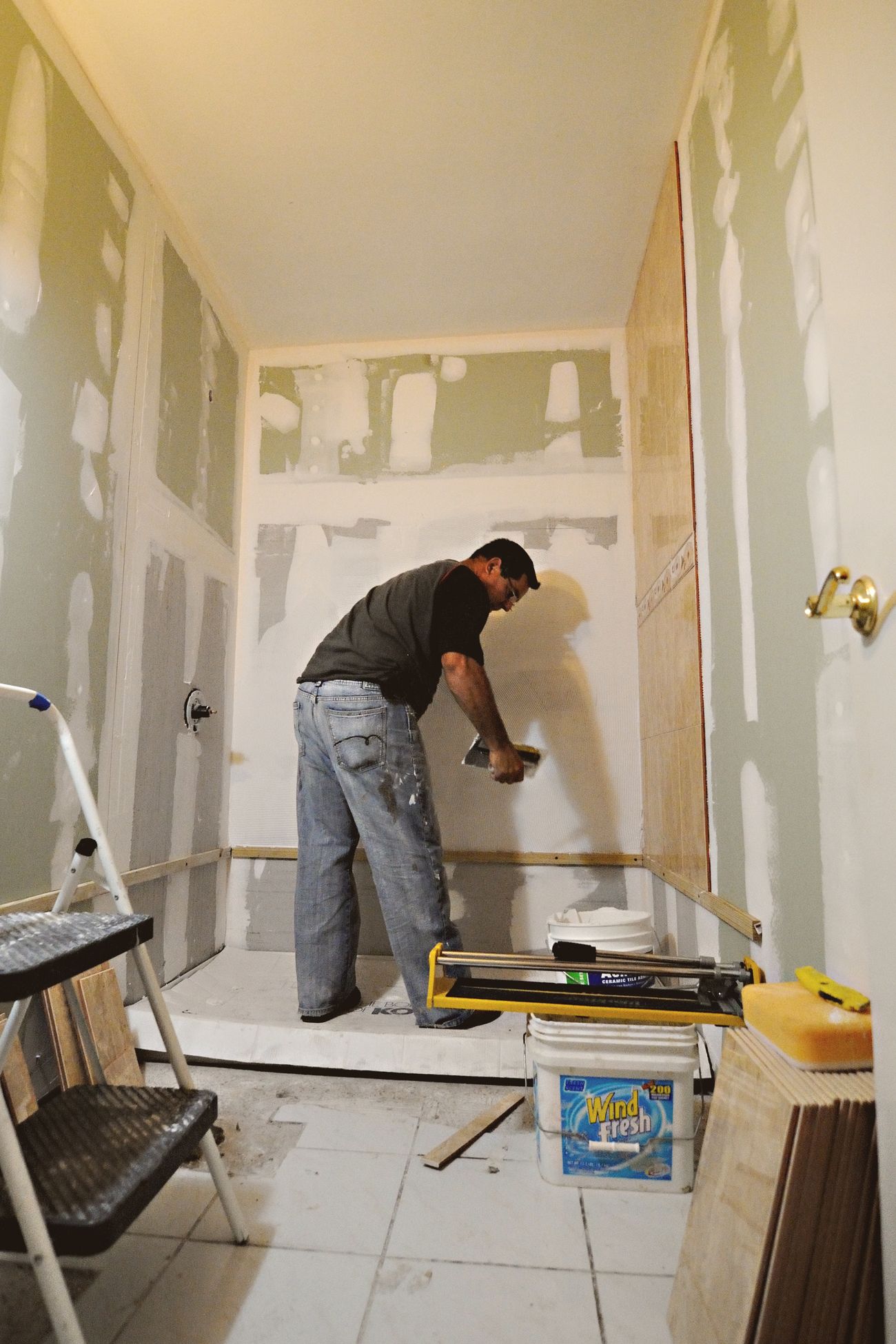
A 1972 single‑family home will get new tile and a custom shower. The owner hires a contractor to demo old flooring and wall panels. The CAC finds 70 sq ft of ACM mastic under the old vinyl.
Under Rule 1403, the renovation has less than 100 sq ft of ACM, so AQMD notification is exempt and the survey requirement is waived for such small residential jobs. However, the contractor still follows safe work practices, seals waste in leak‑tight bags with proper labels, and disposes of it at an approved site. The contractor must have all proper licensing and training in order to be compliant.
The project finishes on schedule with documentation kept on site. However, it is still highly recommended that a CA State licensed asbestos abatement contractor perform the removal as they are experienced in abatement removal, controls, waste, regulations and industry standards.
Partial Demolition of a Restaurant in Santa Ana
A commercial property owner plans to remove a load‑supporting wall and reconfigure kitchen exhaust. The CAC’s thorough survey finds friable pipe insulation and 180 sq ft of ACM ceiling texture. The owner hires a qualified asbestos abatement contractor and confirms that the required AQMD notification is submitted at least 10 working days before work begins.
The contractor uses Procedure 1 containment with negative pressure and HEPA filtration to remove the affected materials. Waste shipment records and training certificates are kept on site. Because the team coordinated the AQMD notice with the building permit, there are no delays.
Actionable Steps / Checklist
As a property owner, your main responsibilities are arranging asbestos inspections, choosing qualified professionals, and confirming that required notifications and records are in place before work begins.
- Confirm jurisdiction: You are in South Coast AQMD if the property is in Orange County.
- Plan early: Schedule asbestos testing before setting a demolition date. Allow time for laboratory results, contractor scheduling, and any required AQMD notification.
- Arrange an asbestos survey: Have a qualified asbestos consultant inspect materials that may be disturbed and provide a written report for your contractor.
- File AQMD notice: Confirm that the responsible contractor files the required AQMD notification before work begins.
- Choose a qualified contractor: If asbestos removal is necessary, verify that your contractor has the required licenses, registration, and training for the project.
- Confirm removal procedures: Ask your abatement contractor which Rule 1403 procedure applies and how the work area will be contained.
- Verify waste disposal: Confirm that your abatement contractor will package, transport, and dispose of asbestos waste according to applicable regulations.
- Keep project records: Request copies of applicable asbestos survey reports, notification confirmations, contractor credentials, and waste disposal records.
Glossary
Learning fundamental industry terms removes the stress and uncertainty often associated with state and regional environmental protocols.
- ACM: Asbestos‑containing material with more than 1% asbestos by lab analysis.
- Friable: Material that crumbles under hand pressure when dry, making fiber release more likely.
- RACM: Regulated asbestos‑containing material defined by federal NESHAP for demolition/renovation controls.
- CAC: Cal/OSHA‑certified Asbestos Consultant qualified to survey and sign reports.
- Procedure 1/2/3/4/5: Rule 1403 removal methods ranging from full containment to glovebag, wet, dry by approval, and pre‑approved alternatives.
- NESHAP: National Emission Standards for Hazardous Air Pollutants; asbestos rules are in 40 CFR 61 Subpart M.
- Working Day: Monday through Friday, including holidays that fall on those days, for notification timing.
- ACWM: Asbestos‑containing waste material that must be labeled, sealed, and disposed of at an approved site.
FAQ
Q: Do I always need to notify AQMD 10 working days in advance?
A: Demolitions generally require advance AQMD notification, subject to emergency procedures. Qualifying renovations involving less than 100 square feet of asbestos-containing material may be exempt from Rule 1403 notification, whether the property is residential or commercial.
Q: Can I skip the survey if my building is newer?
A: Not automatically. Rule 1403 requires a prior survey for most projects, performed by a Cal/OSHA‑certified consultant, with limited exceptions for small residential jobs.
Q: Who can legally remove asbestos?
A: Hire an asbestos abatement contractor who meets the licensing, registration, and training requirements for your project. California generally requires additional asbestos contractor credentials and Cal/OSHA registration for work involving 100 square feet or more of applicable asbestos-containing materials.
Q: What if I discover asbestos after work begins?
A: Stop work that could disturb the suspected material and restrict access to the area. Our environmental testing specialists can assess and test the material to determine whether asbestos is present, helping your contractor identify the appropriate next steps before work resumes.
Q: How do federal thresholds affect me?
A: Federal NESHAP thresholds (160 sq ft, 260 linear ft, 35 cu ft) trigger specific removal and notice requirements. South Coast AQMD enforces these locally alongside Rule 1403.
Final Thoughts
Before beginning renovations, make sure you understand which asbestos-containing materials could be disturbed and whether Rule 1403 requires a survey or AQMD notification. Identifying these requirements early gives you and your contractor time to plan the work properly.
With experience serving property owners throughout San Diego County and neighboring Orange County, Rarefied Air Environmental provides asbestos testing, surveys, and detailed reports that help identify potential hazards before demolition begins. Its consultants can help you understand the findings so you can coordinate the appropriate next steps with your contractor.