
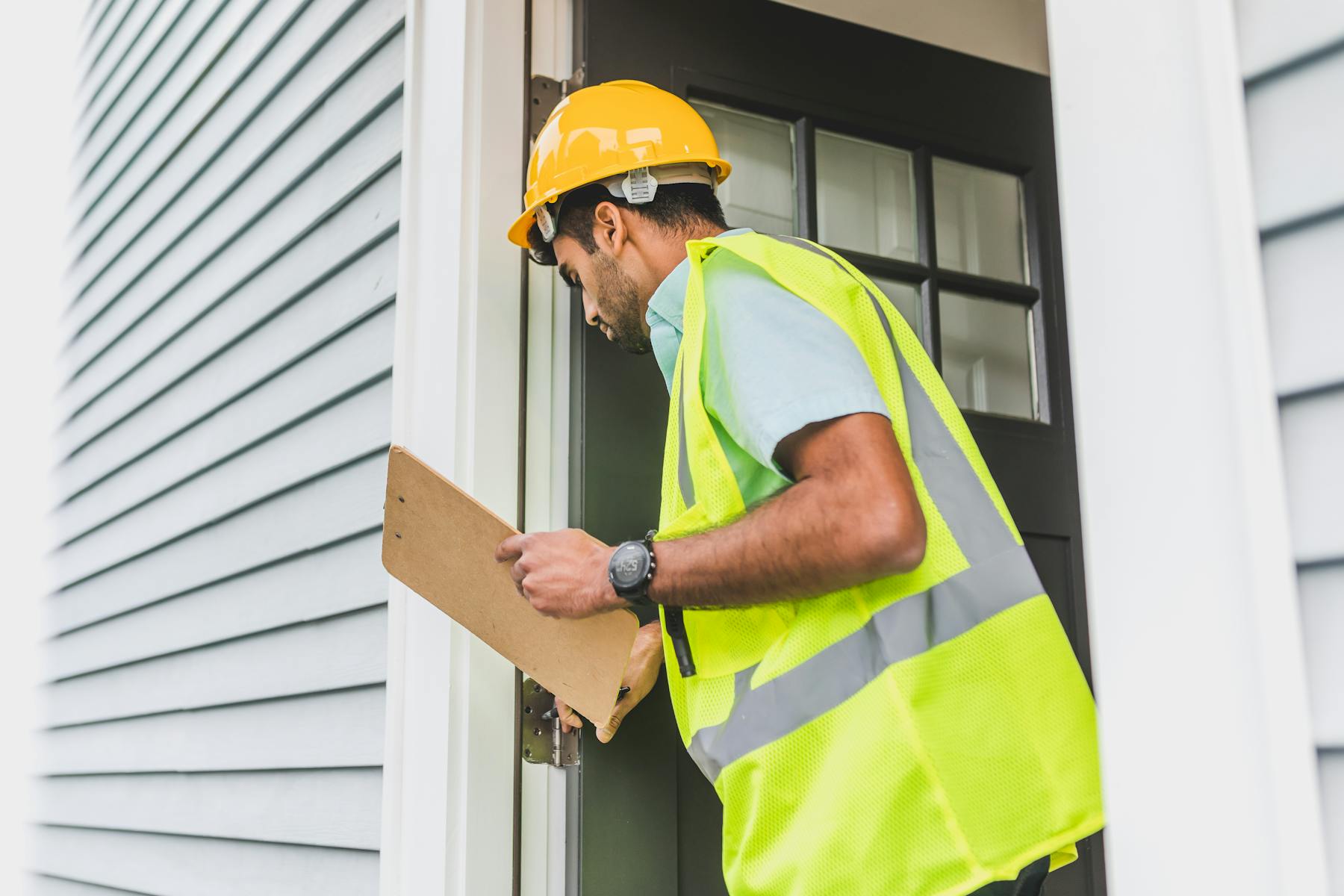
If your building was constructed before the early 1990s, there’s a real chance that some materials contain asbestos. A careful survey and, when needed, safe removal protect people from a known carcinogen and keep your project legal and on schedule.
This guide explains what an asbestos survey includes, when San Diego property owners and contractors typically need one, how abatement works, and when removal, encapsulation, or enclosure makes the most sense. You will also see practical next steps you can take to plan a San Diego renovation or demolition project the right way.
Before opening walls, ceilings, flooring, or pipe insulation on a San Diego project, have Rarefied Air Environmental perform professional asbestos testing in San Diego. This can help your design team and contractor price the work based on confirmed materials rather than assumptions.
TL;DR
- Asbestos surveys identify suspect materials and are required before most facility demolitions and many renovations in the U.S. In most situations, testing before asbestos removal helps confirm whether the material contains asbestos and whether abatement is actually needed.
- Trained, accredited professionals collect samples. NVLAP-accredited labs confirm asbestos by PLM or TEM methods.
- Abatement options include removal, encapsulation, or enclosure.
- The safest and most compliant choice depends on the material, condition, and scope.
- OSHA limits worker exposure to 0.1 fibers/cc (8-hour TWA), and 1.0 fibers/cc (30-minute excursion limit), and EPA’s NESHAP sets inspection, notification, and waste rules.
- Rules vary by state and project type. Always verify local requirements, especially for homes and small projects.
What an Asbestos Survey Covers
An asbestos survey is a systematic inspection to find and assess building materials that may contain asbestos. In U.S. practice, asbestos-containing material (ACM) generally refers to material containing more than 1% asbestos, typically confirmed through bulk-sample analysis such as PLM.
Inspectors note the locations of suspect materials, evaluate condition and friability, and take representative samples for laboratory analysis. Where it shows up most often:
- Sprayed fireproofing and soundproofing
- Pipe and boiler insulation
- Textured coatings and joint compounds
- Vinyl floor tile, mastics, and sheet flooring
- Cement board, shingles, and transite panels
- Roof felts and some gaskets
If flooring is part of the project, review our guide on asbestos in flooring before disturbing vinyl tile, mastics, or sheet flooring. Friable materials (easily crumbled by hand when dry) pose a higher risk of release. Nonfriable materials can still be regulated if work methods involve sanding, grinding, cutting, or abrading them, or if they are likely to crumble during demolition.
Required Training, Certification, and Lab Qualifications
Accreditation matters. Under the EPA’s Asbestos Model Accreditation Plan (MAP), asbestos professionals working in schools and in many public and commercial buildings must complete specific training and refresher courses.
In California, building owners should also verify current DOSH asbestos credentials where required. For the AHERA school-related sample analysis, NVLAP accreditation is required. For other building projects, using an appropriately accredited asbestos lab is the best practice.
For a broader overview of owner responsibilities, our California asbestos laws quick reference explains why certified testing and documentation matter before construction or demolition work begins.
Types of Surveys and When You Need One
Are you working on a San Diego remodel, demolition, tenant improvement, or property transaction? Rarefied Air Environmental can conduct the survey and issue a formal written report to help define the next compliance step. In U.S. practice, two survey scopes are common:
Pre‑Renovation or Pre‑Demolition Inspection
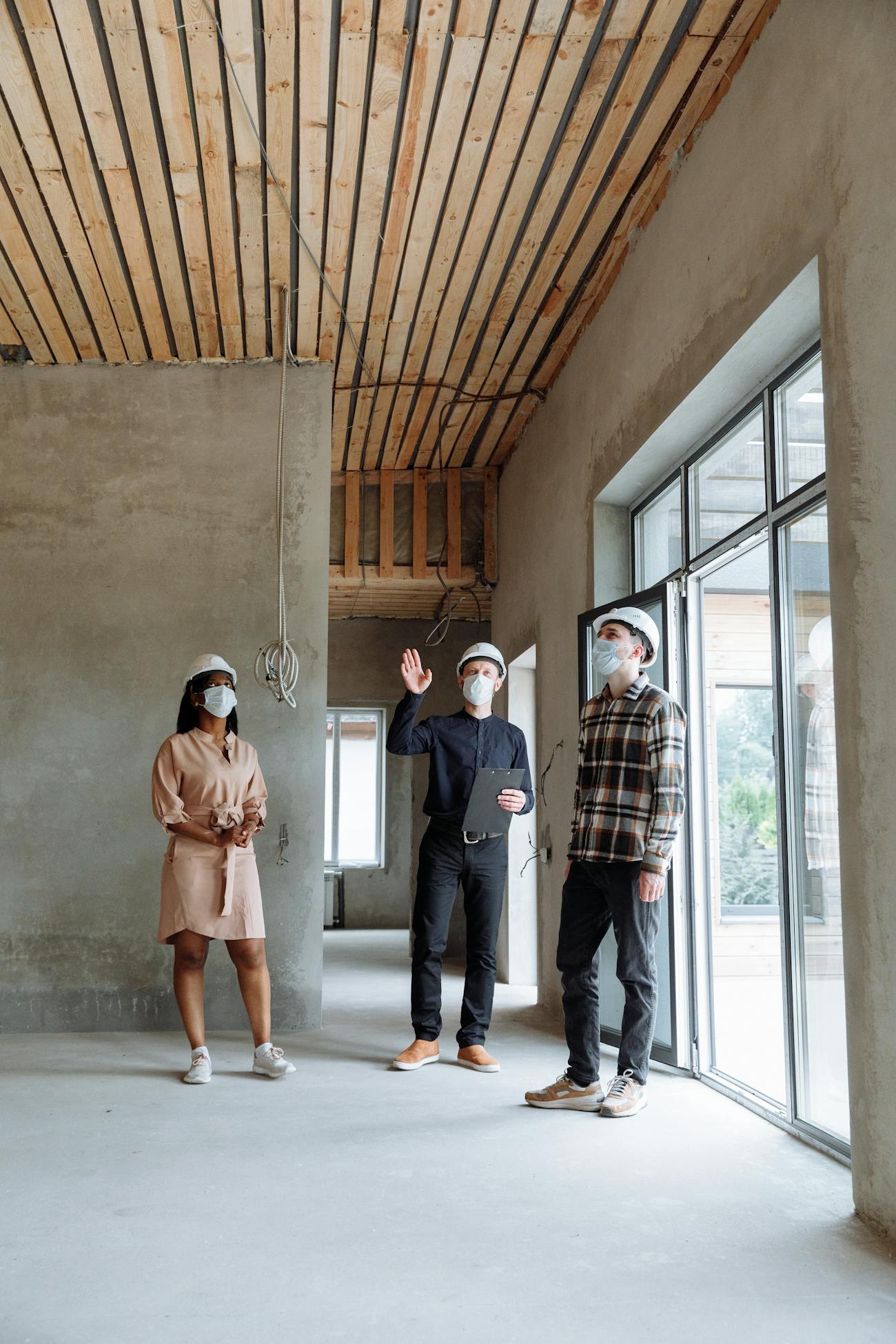
This is a thorough assessment of areas and materials that will be disturbed. For “facilities” covered by EPA’s Asbestos NESHAP, owners or operators must thoroughly inspect for asbestos before renovation or demolition and provide required notifications when threshold amounts apply. Residential buildings with four or fewer dwelling units are generally outside NESHAP’s “facility” definition, but local or state rules may still require a survey.
If you are still deciding whether a standard property inspection is enough, our article on whether home inspections check for asbestos explains why asbestos evaluations are usually handled separately.
Management or Baseline Survey
The second one is a management or baseline survey, which is a broader inventory to support ongoing operations and maintenance in schools, commercial, and public buildings. If you will demolish a facility or renovate and disturb materials, plan the survey well before design and procurement so results can inform bids, schedules, and regulatory notices.
Sampling and Lab Analysis Basics
Accredited inspectors collect bulk samples of suspect materials. After sampling is complete, our guide to understanding your asbestos test results can help you read the lab findings and see how percentages, fiber counts, and testing methods may affect removal or clearance decisions. Labs typically use:
- PLM (Polarized Light Microscopy) to identify asbestos type and estimate percent content in bulk samples.
- TEM (Transmission Electron Microscopy), when PLM is inconclusive, or for AHERA clearance air testing in schools after asbestos abatement.
If testing confirms asbestos, our guide on what happens after a positive asbestos test explains the immediate next steps, including how to limit disturbance and plan the safest response.
Clearance air testing criteria vary by jurisdiction and project type. In K‑12 schools subject to AHERA, TEM clearance must meet the 70 structures per square millimeter criterion set in Appendix A to 40 CFR Part 763, Subpart E. Outside AHERA, states often adopt similar or PCM‑based criteria.
For San Diego projects working on tight schedules, our certified technicians can often complete the survey with same-day results when feasible, keeping pre-construction moving.
Removal vs. Encapsulation vs. Enclosure
Choosing the right response depends on material condition, disturbance risk, project scope, and regulatory triggers. If testing confirms the presence of asbestos, we can help you determine whether the material should be removed, left in place and managed, or isolated.
| Option | Removal | Encapsulation (Sealant Applied) | Enclosure (Airtight Barrier) |
| When it fits | Material will be disturbed by work, is friable/damaged, or demolition is planned | Material is intact and can remain in place without disturbance | Material is localized and can be isolated |
| Pros | Permanently eliminates the source; simplifies future work | Faster and less disruptive; lower immediate cost | Limits exposure without disturbing ACM |
| Limits and risks | Costly; most disruptive; requires full containment, notifications, and waste tracking | Not suitable if future work will disturb; requires monitoring | Reduces access; if breached, hazard returns; still regulated |
| Typical use cases | Pre‑demo, failed or deteriorated insulation, extensive renovation | Intact spray‑on fireproofing in low‑traffic spaces | Building a tight chase around insulated piping |
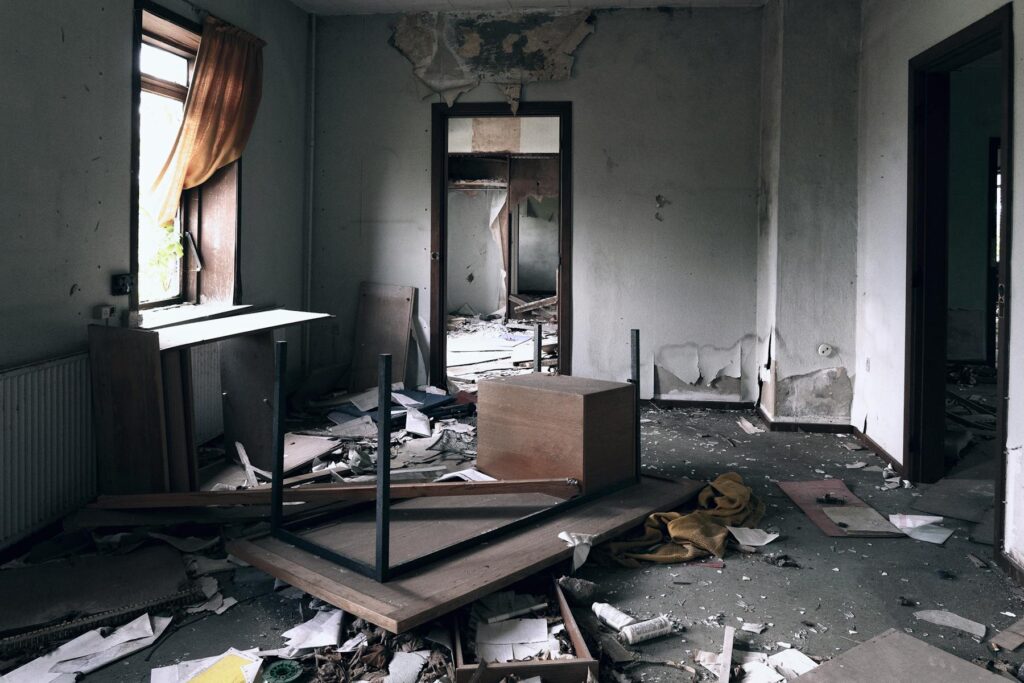
While asbestos is more common in older buildings, age alone does not confirm or rule it out. For San Diego renovation and demolition projects, suspect flooring, mastics, textured finishes, insulation, and roofing materials should be professionally evaluated before they are cut, scraped, drilled, or removed.
If your project involves textured ceilings, our article on how to tell if a popcorn ceiling has asbestos explains why visual checks are not enough and why professional testing is the safest path.
We provide San Diego asbestos surveys through California State DOSH-certified asbestos consultants and certified site surveillance technicians. This includes formal reporting that helps property owners and contractors plan renovation and demolition work with clearer next steps. Consult your inspector and project designer to align the choice with OSHA exposure limits and EPA/state rules.
How Professional Abatement Works
Understanding the process helps homeowners, property managers, and contractors see how asbestos work is controlled from the first inspection through final cleanup. These structured protocols help protect occupants, workers, and adjacent areas as the project moves forward. A competent asbestos abatement plan in San Diego follows a predictable sequence:
1. Planning and Notifications
For NESHAP‑covered work, owners or operators submit a written notice (often 10 working days prior) and ensure a trained on‑site representative is present. For local compliance context, our overview of San Diego asbestos regulations explains how asbestos rules can affect renovation and demolition planning.
2. Containment and Controls
Contractors set up regulated areas, negative‑pressure enclosures, decontamination units, and signage. They use wet methods and HEPA‑filtered vacuums. Glove bags are common for localized pipe insulation.
3. Removal or Other Response Action
Crews carefully remove ACM or apply encapsulant/enclosures while keeping materials adequately wet and minimizing breakage.
4. Packaging and Waste Handling
ACM is placed in sealed, leak‑tight, labeled containers. Waste shipment records document transport to an approved disposal site. Generators must reconcile copies and follow up if signed receipts are not returned within the regulatory timeframe.
5. Cleaning and Clearance
Surfaces are wet‑wiped and HEPA‑vacuumed. Project-specific air monitoring or clearance testing may be required. For AHERA-covered school work, TEM clearance must meet the prescribed criterion before barriers come down. On other projects, the clearance method depends on the job scope, the specification, and local or state requirements.
6. Records
Keep survey reports, lab data, notifications, waste manifests, and clearance results. Many regulations specify retention periods.
Safety and Legal Basics in the U.S.
Federal and state regulations exist to shield your loved ones and the community from invisible airborne hazards. Compliance provides peace of mind, confirming that your property meets the highest standards for health and environmental care.
1. Worker Protection
OSHA’s construction asbestos standard sets a permissible exposure limit of 0.1 fibers/cc as an 8‑hour TWA and a 30‑minute excursion limit of 1.0 fibers/cc. It requires regulated areas, respiratory protection where needed, training, and medical surveillance.
2. Inspection and Notification
EPA’s asbestos NESHAP requires a thorough inspection before facility renovation or demolition. Notifications are required, and additional work practices apply when regulated asbestos‑containing material (RACM) meets or exceeds thresholds of 160 square feet for other components, 260 linear feet for pipes, or 35 cubic feet for other components.
3. Scope
RACM includes friable ACM and Category I nonfriable ACM that becomes friable or will be sanded, ground, cut, or abraded. It also covers certain Category II nonfriable ACMs that are likely to crumble during operations.
4. Policy Updates
In March 2024, EPA finalized a TSCA risk management rule prohibiting the ongoing use of chrysotile asbestos in U.S. commerce. EPA continues to implement actions to evaluate and manage asbestos risks. Always check current federal and state guidance when planning work.
Examples
Real scenarios demonstrate that even complex contamination can be resolved with the right expertise and care.
1958 Ranch Kitchen Remodel
A homeowner plans to replace old vinyl sheet flooring. An accredited inspector samples the sheet flooring and the mastic. The lab reports >1% chrysotile in the mastic.
Because removal would disturb ACM, a licensed abatement contractor uses localized containment and wet methods to scrape the mastic. They also HEPA‑vacuum the area and package waste in leak‑tight, labeled bags for transport to an approved landfill. Post‑work air testing confirms acceptable clearance under state criteria, and the remodel proceeds without delay.
For older homes with attic or wall insulation, our article on vermiculite insulation explains why loose-fill insulation should be evaluated carefully before disturbance.
Office Tower Boiler Room
A property manager schedules boiler replacement in a 1970s high‑rise. The pre‑renovation inspection identifies friable pipe insulation and troweled‑on surfacing material in quantities above NESHAP thresholds.
The team files the 10‑working‑day notification, erects a negative‑pressure enclosure, and removes RACM using wet methods and glove bags around valves. Waste shipment records are reconciled within the required period. After TEM clearance in affected spaces, mechanical contractors enter and install new equipment on time.
Actionable Steps / Checklist
This list transforms concern into a concrete plan, allowing you to move forward with confidence.
- Pause any disturbance until suspect materials are identified.
- Hire a properly accredited or state-certified asbestos professional. For San Diego projects, verify California DOSH credentials where required and request analysis from an appropriately accredited asbestos laboratory.
- Use survey results to plan scope, schedule, and budget. Avoid surprises in bids.
- For facilities, file required NESHAP notifications and line up a trained on‑site representative.
- Select licensed abatement firms with OSHA‑compliant programs, recent training, and proper insurance.
- Confirm controls, such as negative pressure, decon units, wet methods, HEPA vacuums, and proper glove‑bag use where applicable.
- Plan clearance testing in accordance with your jurisdiction and project type.
- Track waste with signed manifests and keep a tidy records file.
Glossary
Learning these terms clarifies the conversation with your consultants and helps you make informed choices for your property.
- ACM: Asbestos‑containing material with more than 1% asbestos by PLM.
- Friable: Material that can be crumbled by hand when dry and can release fibers.
- RACM: Regulated asbestos‑containing material that triggers NESHAP requirements.
- NESHAP: EPA’s National Emission Standards for Hazardous Air Pollutants for asbestos (40 CFR Part 61, Subpart M).
- AHERA: Federal rule for asbestos in schools, including inspections, plans, and clearance criteria.
- PLM: Polarized Light Microscopy; standard bulk analysis for ACM.
- TEM: Transmission Electron Microscopy, a highly sensitive method used for certain clearances and complex samples.
- HEPA: High‑Efficiency Particulate Air filtration used in vacuums and negative‑air machines.
FAQ
Q: Do I always need a survey before renovation?
A: For facilities covered by NESHAP, a thorough inspection is required before renovation or demolition. For single‑family homes, state or local rules may still require surveys; even when they do not, testing before disturbance is the safest choice.
Q: Is asbestos dangerous if left alone?
A: Intact, well‑sealed, and undisturbed nonfriable materials release few fibers. Risk rises sharply when materials are cut, sanded, or otherwise disturbed, or when friable ACM deteriorates. For more background on why early detection matters, read our article on professional asbestos testing and how it helps address health, legal, and property concerns.
Q: Can I paint over or coat asbestos to avoid removal?
A: Encapsulation can be appropriate for intact materials that will not be disturbed. However, it must be specified and applied by qualified professionals and remains subject to future management and compliance.
Q: How is asbestos waste handled?
A: Asbestos waste must be kept wet as needed, sealed in leak-tight, labeled containers. Aside from that, asbestos should be transported under manifest and disposed of at an approved site, with shipment records reconciled.
Q: What exposure limits apply to workers?
A: OSHA limits exposure to 0.1 fibers/cc as an 8-hour TWA and 1.0 fibers/cc over 30 minutes. The standard also requires controls, respiratory protection when necessary, and training.
Final Thoughts
For San Diego property owners, managers, and contractors, an asbestos survey and a well-planned response protect people, budgets, schedules, and compliance. Bring in qualified professionals early, match the response to the material and project scope, and follow San Diego County, California, OSHA, and EPA requirements from the first sample through final documentation.
Are you looking for quick answers before renovation, demolition, or due diligence? Rarefied Air Environmental offers asbestos surveys, formal reporting, and PCM air sampling that can support the project from initial testing through post-abatement verification.