
Water sneaks in quietly, then gets expensive fast. A small drip behind a wall or a damp area near a bathroom, roof, or plumbing line can support mold growth, damage finishes, and contribute to wood decay over time. Catching hidden water damage early can limit repairs and help you determine whether moisture, mold, or affected building materials need closer evaluation.
The tricky part is that early clues rarely look dramatic. Think musty smells, paint that bubbles for no clear reason, or a floorboard that cups at the edge. Learn the telltale signs, where to look, and what to do the moment you spot trouble.
You don’t need special tools to start. A bright flashlight, paper towels, and patience go a long way. An inexpensive digital hygrometer can help you track indoor humidity, while a basic moisture meter can help compare a suspicious area with nearby dry material.
TL;DR
- Dry wet areas and belongings within 24–48 hours to help prevent mold growth.
- Keep indoor humidity below 60% RH, ideally 30–50%, to reduce condensation and musty odors.
- Musty smells, bubbling paint, stained ceilings, warped floors, and white powdery deposits on masonry are early red flags.
- Fix the water source first, then clean and dry. Paint or caulk is not a fix by itself.
- Small mold areas under about 10 square feet may be appropriate for DIY cleanup in some cases, but extensive or hidden growth, contaminated water, or significant health concerns warrant professional guidance.
Why Hidden Water Damage Is So Tricky
Water follows the path of least resistance. It wicks through drywall and framing, travels along wiring or pipes, and pools far from the actual leak. You might see a ceiling stain in the living room, even though the flashing failure is up on the roof and 8 feet over.
In crawl spaces, wall cavities, cabinets, and areas around windows or plumbing, moisture can remain concealed long after the visible surface appears dry.
Time matters. Many molds start growing on wet materials within roughly 24–48 hours, and porous materials like drywall or carpet are especially vulnerable.
Before you cut into water-damaged walls, ceilings, flooring, roofing materials, or mastics, pause if the material could contain asbestos. Older building products can contain asbestos, and disturbing them during leak repairs can release fibers that were previously contained.
Our certified asbestos consultants and certified site surveillance technicians can inspect and sample suspect materials before demolition or repair work moves forward.
Early Warning Signs You Can See, Smell, or Feel
Most hidden water problems announce themselves with small, consistent signals. Watch for:
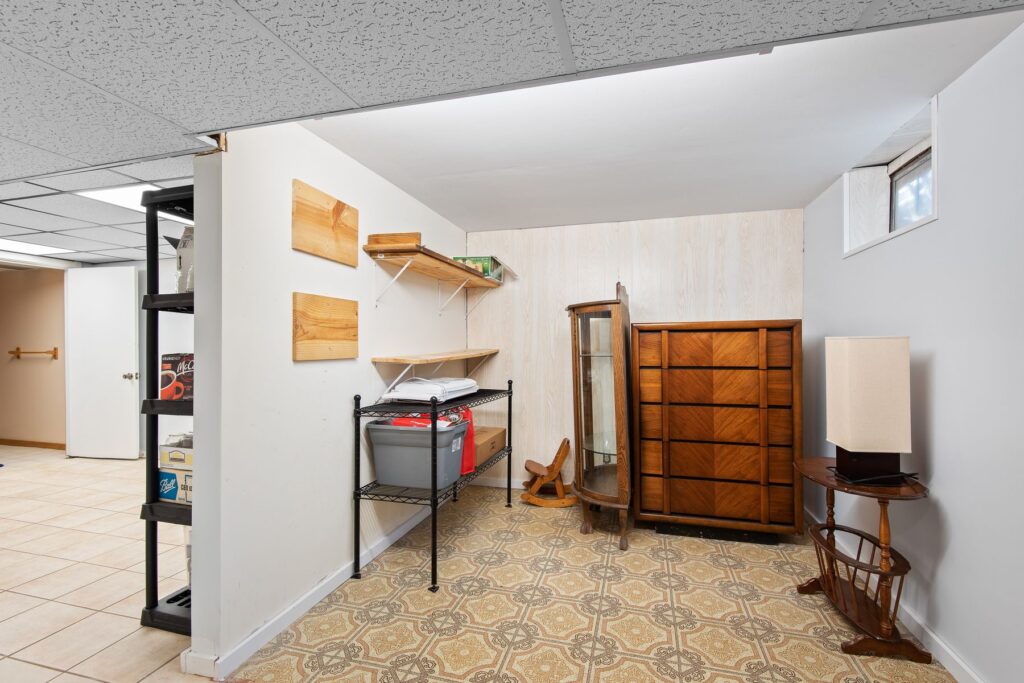
- A persistent musty or earthy odor, especially in basements, closets, or near bathrooms.
- Discoloration, yellow or brown stains, or new shadows on ceilings and walls.
- Paint or wallpaper that bubbles, peels, or looks blistered.
- Baseboards that swell or separate; soft drywall when gently pressed.
- Floors that cup, crown, or feel spongy underfoot. Loose tiles or cracked grout.
- Rust on fasteners, HVAC cabinets, or the heads of drywall screws.
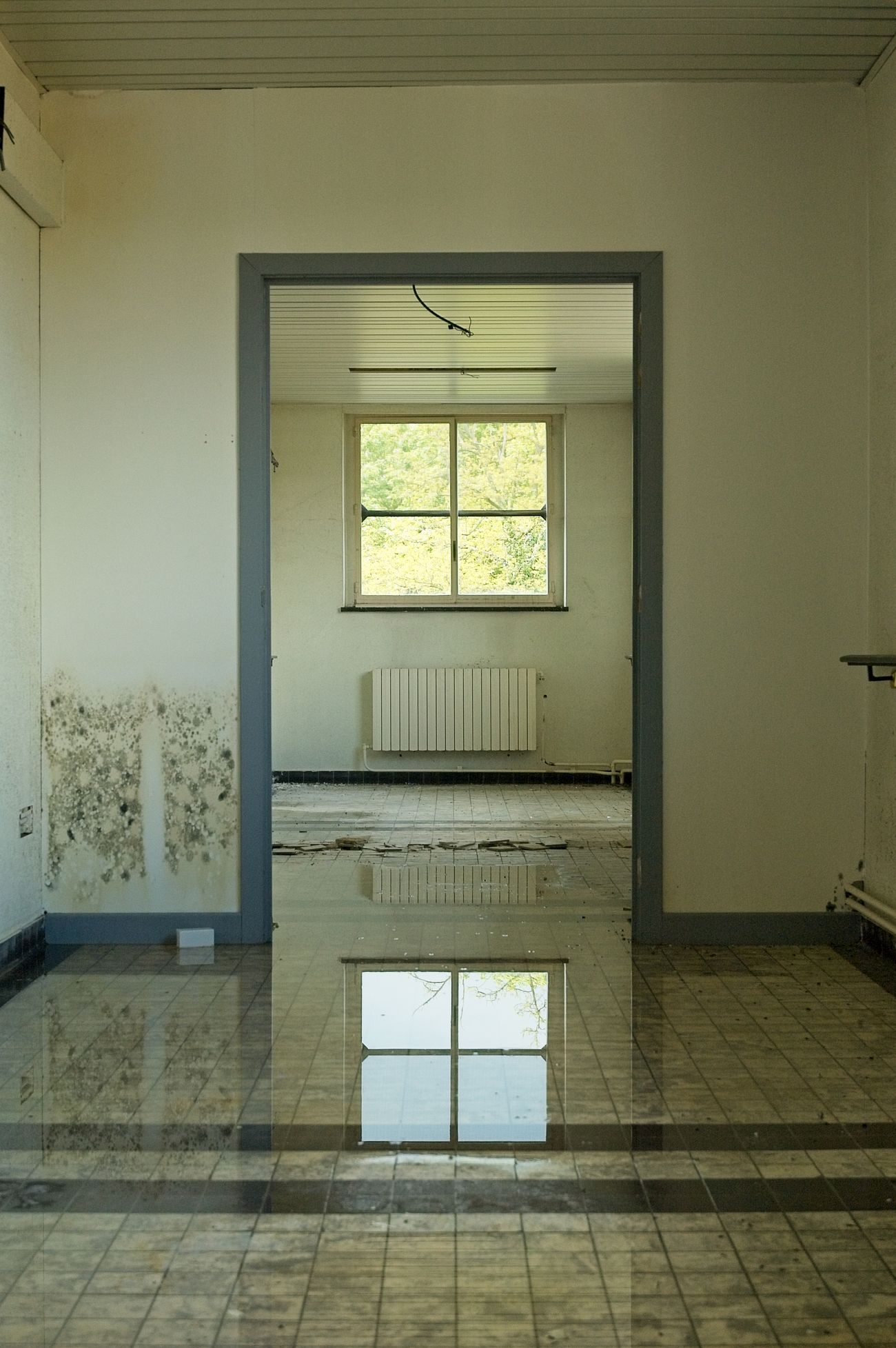
- Efflorescence on masonry, showing a white, powdery film that forms when water carries salts to the surface.
- Frequent window condensation, especially at corners and sills.
One clue doesn’t necessarily prove hidden water damage. However, several recurring signs in the same area are a good reason to investigate the moisture source rather than simply repair the surface.
Quiet Culprits and Where They Hide
Knowing where moisture commonly hides can help you spot problems earlier and decide when a closer inspection is needed.
- Bathrooms: Failed caulk at tubs and showers, leaking toilet supply lines, and unvented steam lead to damp drywall, rotted subfloors, and musty vanity cabinets.
- Kitchens: Dishwasher and fridge ice-maker lines drip behind cabinets. Sinks leak at traps, sprayers, and faucet bases.
- Laundry rooms: Old rubber washer hoses bulge and burst. Standpipes overflow. Floor drains dry out and let humid air in.
- Water heaters and HVAC: T&P relief valves weep. Condensate pans overflow. Clogged AC drains back up into walls or closets.
- Roofs and attics: Damaged flashing, aging roof penetrations, cracked roofing materials, or wind-driven rain can wet sheathing and insulation.
- Foundations and crawl spaces: Poor drainage, improper grading, or roof runoff directed toward the building can contribute to persistent moisture around or beneath the home.
Health and Safety Basics
Moisture control is mold control. Fix the water source and dry materials fast. Keep indoor relative humidity below 60% and aim for 30–50%. If you return to a home after a flood or major leak, assume contaminated water may be present and take precautions.
If you find a limited area of visible mold under roughly 10 square feet, EPA guidance says DIY cleanup may be appropriate in many cases once the moisture source is corrected. If growth appears extensive, hidden, or connected to contaminated water, professional evaluation may be more appropriate before cleanup begins.
DIY or Call a Pro? Quick Guide
Use the guide below to decide what you can safely check yourself and when the next step should involve a plumber, contractor, or environmental testing professional.
| Situation | Risk Level | Best First Step | Who May Need to Help |
| Limited visible mold under about 10 square feet | Depends on conditions | Correct the moisture source and follow EPA cleanup guidance; avoid disturbing suspect asbestos- or lead-containing materials | DIY or mold pro if sensitive to allergens |
| New ceiling stain after heavy rain | Moderate | Inspect attic for wet insulation and roof leaks; place a bucket, protect finishes | Roofer or qualified contractor |
| Musty odor with no visible moisture | Moderate | Check humidity with a hygrometer; inspect closets, under sinks, and HVAC pans | Environmental testing professional when hidden mold or moisture is suspected |
| Warped wood or loose tiles near dishwasher or fridge | Moderate to high | Inspect accessible supply connections and nearby flooring; have the appliance safely moved if the leak source appears to be behind or beneath it | Plumber and flooring contractor |
| White powder (efflorescence) on basement wall, recurring | Moderate | Extend downspouts 5+ feet, improve grading, monitor | Waterproofing contractor if seepage continues |
| Water-damaged wall, ceiling, floor, or mastic that will be removed | Potential environmental hazard | Avoid cutting, sanding, or demolishing suspect material until evaluated | Asbestos/lead testing professional |
Our mold testing services can evaluate suspected hidden growth and determine whether targeted sampling would help clarify the extent of the problem. The appropriate trade professional should still handle plumbing, roofing, or other repair work.
Do Not Paint Over a Problem
Paint and caulk are finishing steps, not fixes. Trapping moisture behind a coating often makes damage worse. Correct the moisture source and dry the area before refinishing. If damaged materials may contain asbestos or lead, have them evaluated before they are cut, sanded, scraped, or removed.
For older San Diego County properties, that step may include asbestos or lead testing before a contractor opens walls, removes flooring, or disturbs painted surfaces.
Smart Tools That Help You Catch Problems Early
These tools can help you spot warning signs at home, but they don’t replace a professional assessment when hidden contamination or building-material hazards are suspected.
- Hygrometer: A small meter that reads indoor humidity. Keep it below 60%; 30–50% is ideal for most homes.
- Moisture meter: Pin or pinless meters help compare damp areas to known dry spots in wood and drywall.
- Thermal camera: Shows surface-temperature differences that can help identify areas needing closer investigation, but it doesn’t directly detect moisture. Suspected damp areas should be confirmed through inspection or appropriate moisture measurements.
- Leak sensors and automatic shutoff valves: Pucks or rope-style sensors alert you to leaks under sinks, behind appliances, or at water heaters. Some systems shut water off automatically.
Examples
These scenarios demonstrate how easily minor plumbing shifts or earth grading issues transform into widespread indoor concerns.
The Disappearing Bathroom Leak
The ceiling below a second-floor bath shows a faint yellow ring that fades when it is dry. Months later, the ring grows, and the paint starts to bubble.
The cause is a slow drip at the shower valve that runs down the pipe and along framing, finally staining the ceiling below. The valve should be repaired first, followed by an evaluation of how far the moisture has spread and which materials need drying or removal.
The Basement That Smelled Like Old Books
A homeowner notices a musty smell each spring. No water is visible, but a flashlight reveals white, chalky film along one foundation wall and rust on the bottom of some metal shelves. The downspouts dump water right next to the foundation, and the grade slopes toward the house.
Extending the downspouts five or more feet, regrading the soil, and running a dehumidifier to keep humidity near 45% clears the odor. The efflorescence is brushed off, and the wall is monitored for return.
Actionable Steps / Checklist
These homeowner checks can help you catch moisture problems early before professional testing or repair becomes necessary.
- After rain, inspect the exterior for overflowing gutters, drainage problems, staining, or areas where water collects against the building.
- Direct downspout discharge well away from the foundation and correct areas where runoff collects against the structure.
- Maintain positive drainage so surface water moves away from the home rather than collecting against the foundation.
- Inspect under sinks with a flashlight. Run water and feel for drips at traps and supply connections.
- Replace old rubber washing machine hoses with braided stainless lines. Use new gaskets.
- Clear and confirm HVAC condensate drains are flowing. Clean the pan at season start.
- Open sink bases and vanity cabinets periodically to air them out. Watch for musty smells.
- Set bath fans to run during showers and 20 minutes after. Vent outside, not into the attic.
- Keep indoor humidity in the 30–50% range with ventilation or dehumidification.
- After any spill or leak, dry materials completely within 24–48 hours. Discard items that cannot be dried.
- Document damage with photos and notes before cleanup. Save receipts in case you file an insurance claim.
- Install leak sensors under the water heater, behind the fridge, and under major sinks.
Glossary
Learning key industry terms helps homeowners communicate effectively when addressing home safety and structural health.
- Efflorescence: White, powdery salts left on masonry when moisture moves through and evaporates at the surface.
- Hygrometer: A small device that measures relative humidity in the air.
- Moisture Meter: A hand tool that estimates moisture in materials like wood or drywall.
- Capillary Action: The way water wicks through tiny pores in materials such as concrete or wood.
- Vapor Barrier: A layer that slows water vapor movement through a wall, floor, or ceiling.
- Flashing: Thin metal or membrane installed to direct water away from openings like roofs, chimneys, and windows.
- Condensate: Water that forms when humid air contacts a cooler surface, such as AC coils or cold pipes.
- Relative Humidity (RH): The amount of water vapor in air compared with the maximum it could hold at that temperature.
FAQ
Q: How fast can mold start after a leak?
A: Mold can begin to grow on wet materials in roughly 24–48 hours, so quick drying is essential.
Q: What indoor humidity should I aim for?
A: Keep RH below 60% and ideally between 30 and 50%. Use exhaust fans and dehumidifiers as needed.
Q: Is a little white powder on my basement wall mold?
A: Often it is efflorescence, a salt deposit from moisture moving through masonry. It signals a moisture problem even if it is not mold.
Q: When should I call a professional?
A: Call the appropriate professional when water damage is extensive or hidden, sewage is involved, or repairs may disturb suspect asbestos- or lead-containing materials. An environmental testing professional can help identify which hazards need testing before remediation or reconstruction begins.
Final Thoughts
Hidden water damage is a slow, quiet problem that rewards curiosity and quick action. Trust your nose, watch for small visual changes, keep humidity in check, and fix the water source first.
Early attention gives you more options: stop the water, determine what materials are affected, and address environmental hazards before repair work spreads contamination or creates additional damage.
If hidden water damage in a San Diego County or Orange County property may involve asbestos, lead, mold, or contaminated water, Rarefied Air Environmental can perform the testing needed to clarify those conditions before repairs proceed.
Our environmental testing services include collecting the appropriate samples, providing written findings, and processing testing through our in-house laboratory. The results help homeowners and contractors understand what materials or environmental hazards they may be dealing with before repair work continues.