
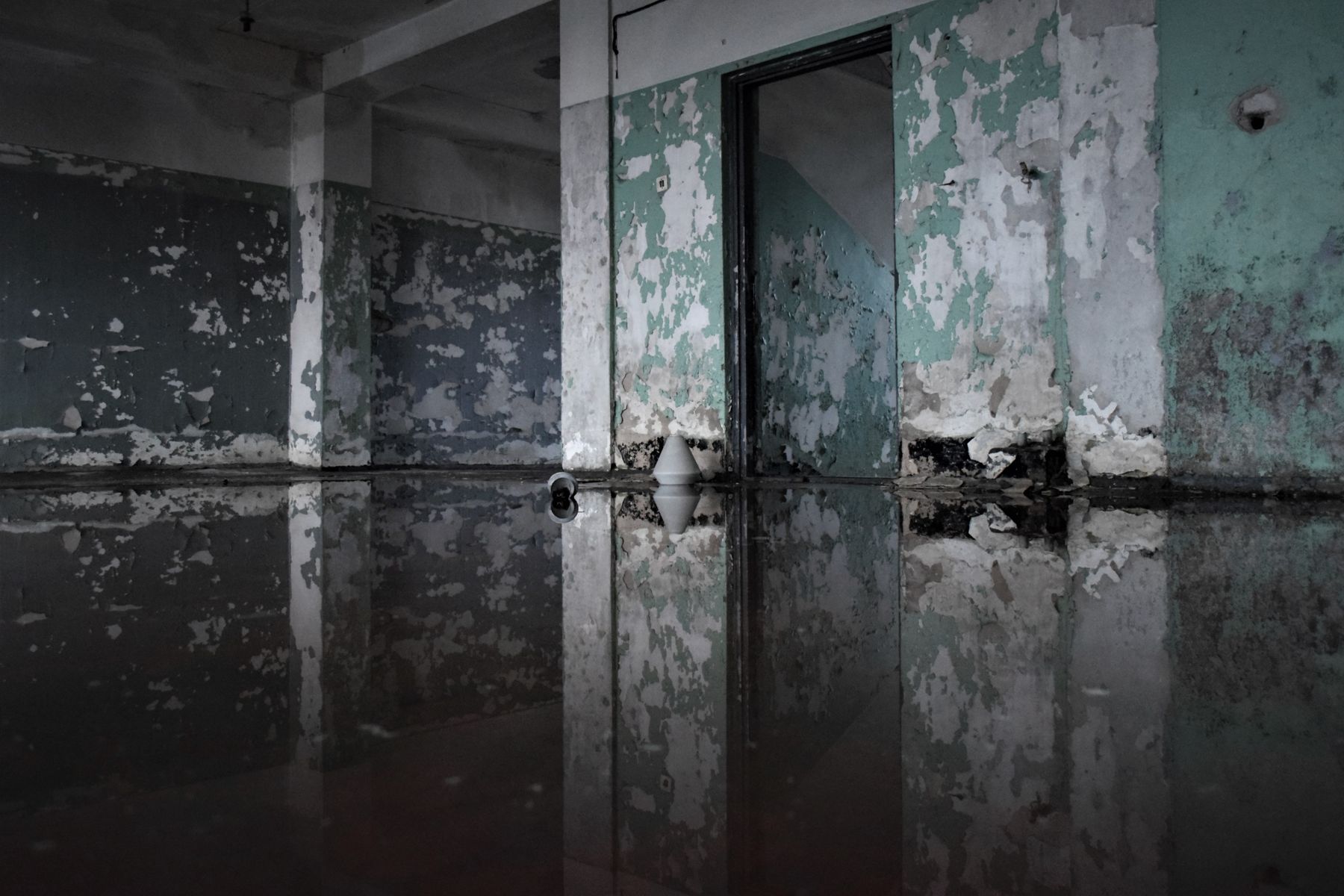
Floodwater does more than soak what you can see. Moisture can travel behind baseboards, underneath flooring, into drywall, and through HVAC components, creating conditions where mold can develop out of sight.
That is why a mold inspection after flood damage should focus on more than obvious stains or visible growth. You need to understand where the water traveled, which materials stayed wet, and whether moisture remains trapped inside the building.
At Rarefied Air Environmental, we have spent more than a decade testing homes and commercial properties throughout San Diego County. We have seen firsthand how easily flood-related moisture can be overlooked, particularly when the visible surfaces dry before the materials behind them do.
This guide explains what to check, what you can reasonably handle yourself, when testing may be useful, and when it’s time to bring in an environmental professional.
TL;DR
- Begin drying wet materials within 24 to 48 hours whenever possible.
- Check structural and electrical safety before entering a flooded area.
- Follow the path the water took rather than looking only for visible mold.
- Don’t run an HVAC system if floodwater or mold may have reached it.
- Mold testing isn’t automatically necessary after every flood, but targeted testing can answer questions a visual inspection cannot.
- Get professional help when moisture is hidden, contamination is widespread, sewage is involved, or HVAC components are affected.
- Before disturbing older building materials or painted surfaces, consider whether asbestos or lead testing is appropriate.
- Document the property’s condition before major cleanup or demolition.
Why Mold Inspection After a Flood Matters
A post-flood mold inspection is essentially an investigation of the water’s path.
- Where did it enter?
- How high did it rise?
- Which walls, floors, cabinets, insulation, or mechanical systems did it reach?
- Which of those materials dried quickly, and which may still be holding moisture?
Those questions matter because water rarely stays where you can see it. Moisture can move behind baseboards, beneath flooring, through wall cavities, and into insulation. A wall can feel dry on the surface while the materials behind it remain damp.
We have seen this play out in real homes. During one inspection of a flood-damaged property, we found mold behind closet doors, where it could easily have been missed during a quick walk-through.
The lesson is simple: after flooding, don’t limit your inspection to the center of the room or the most visible damage. Closets, corners, cabinets, exterior-wall bottoms, flooring transitions, and other enclosed spaces deserve the same attention.
Safety Comes Before Mold
Before worrying about mold, make sure the flooded area is safe to enter. Flood damage can create immediate structural, electrical, and contamination hazards.
- Check for structural damage: Watch for unstable floors, damaged walls, or sagging materials.
- Address electrical risks: If water reached outlets, appliances, or the service panel, have an electrician inspect the system before restoring power.
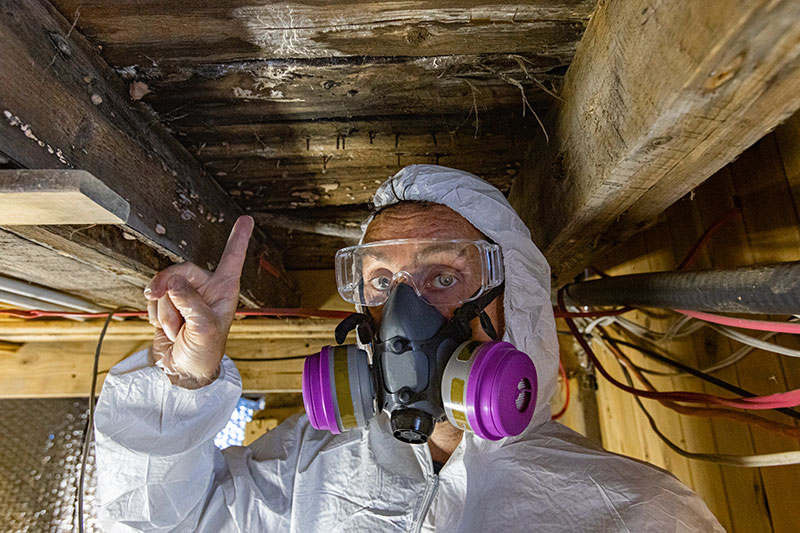
- Wear protective gear: For basic mold cleanup, use an N95 respirator, gloves, and eye protection. Larger contamination may require additional protection.
- Keep vulnerable people away: Children and people more sensitive to mold exposure should avoid contaminated areas during cleanup.
- Treat sewage flooding differently: Sewage or degraded floodwater can contain bacteria and other contaminants that may require specialized cleanup and verification.
What to Do During the First 48 Hours
The first couple of days after a flood can make a major difference.
During the First 24 to 48 Hours
Remove standing water as soon as it’s safe. Begin drying wet materials with dehumidification, ventilation, and appropriate air movement. Remove belongings that hold moisture, and identify absorbent building materials such as drywall, insulation, carpet, padding, and some flooring types.
However, don’t cut or demolish older building materials just because they’re wet. Flood cleanup can disturb asbestos-containing materials or lead-based paint, creating a different exposure concern.
After 48 Hours
If porous materials remained wet for an extended period, the likelihood of mold growth increases significantly. At this stage, your inspection should focus not only on visible mold but also on materials that may still be wet internally. Look for:
- Staining or discoloration
- Swollen drywall or baseboards
- Peeling or bubbling paint
- Warped flooring
- Damp insulation
- Musty odors
- Condensation
- Wet cabinets or toe-kicks
- Moisture around HVAC returns or supply registers
- Damp areas behind furniture or inside closets
A musty odor is a useful clue. Our inspectors have walked into flood-damaged properties where the smell indicated a moisture or mold problem even though the source wasn’t immediately visible. Odor alone doesn’t tell you exactly what is growing or where it is, but it’s a reason to investigate further.
How to Perform a Basic DIY Mold Inspection
If the flood was limited, the water source was relatively clean, and there are no major structural or electrical hazards, you can start with a basic visual check before deciding whether you need a professional evaluation.
Start where the water entered and trace its likely path through the property. A moisture meter can help identify materials that remain wetter than surrounding surfaces. Meanwhile, thermal imaging can also identify temperature differences that warrant closer investigation, although a thermal image alone doesn’t prove moisture or mold.
Pay particular attention to areas that homeowners commonly overlook:
- Closets
- Behind furniture
- Under sinks
- Cabinet toe-kicks
- Wall-to-floor transitions
- Exterior wall bottoms
- Under flooring
- Behind baseboards
- Adjacent rooms
- HVAC returns and supply areas
Don’t make exploratory cuts into walls or flooring until you have considered electrical safety and the possibility of asbestos or lead-containing materials.
If an HVAC return, supply boot, duct liner, or other component becomes wet or appears contaminated, keep the system off until you can properly evaluate it. Running a contaminated system can move particles through areas that weren’t originally affected.
A basic visual inspection is a useful first step, but it can miss hidden moisture or mold that is not visible on the surface. Professional mold testing can provide a more complete picture of conditions before you move forward with cleanup or rebuilding.
What We Have Seen in Flood-Damaged Homes
One of the biggest mistakes after a flood is assuming that the obvious damage represents the entire problem. It often does not.
Rarefied Air Environmental has been called into properties where owners initially tried to cut costs by relying on a general inspection, only to overlook important flood-related mold locations. That doesn’t mean every flooded home automatically needs extensive laboratory testing. It does mean that experience following moisture pathways matters.
A professional mold inspection goes beyond the basic visual checks a homeowner can perform. An environmental inspector evaluates how water moved through the structure and where hidden conditions may still support mold growth.
The mold we found behind closet doors during one flood inspection is a good example. The key finding wasn’t simply that mold existed; it was that the growth was in a location a surface-level inspection could easily miss.
When Is Mold Testing Actually Useful?
Not every mold problem requires sampling. If mold is visibly growing on a small section of material and the moisture source is obvious, testing may not change the immediate recommendation: correct the moisture problem and properly remove or clean affected material.
The EPA similarly notes that sampling is often unnecessary when visible mold is already present. However, that doesn’t mean mold testing is never useful after flooding. As a homeowner or property manager, consider bringing in a mold testing professional when:
- You suspect mold but cannot locate it.
- A musty odor remains after drying.
- Water entered wall cavities or other inaccessible areas.
- Mold may have affected the HVAC system.
- You need documentation for a property, remediation project, insurance matter, or other third party.
- The scope of contamination is unclear.
- You need to evaluate conditions following remediation.
- The findings will determine how a remediation contractor approaches the job.
If professional evaluation is warranted, our environmental testing specialists can determine which methods are appropriate for the property, including visual evaluation, moisture assessment, air sampling, surface sampling, or bulk sampling.
The key is choosing the right test to support a decision, and not collecting samples just because testing is available.
DIY Mold Cleanup or Hire a Professional?
Deciding between tackling post-flood cleanup yourself or bringing in an expert can help reduce unnecessary exposure and property damage. When hidden moisture or older building materials are involved, qualified environmental professionals can evaluate mold conditions and determine whether asbestos or lead testing is appropriate before cleanup or demolition.
| Situation | DIY May Be Reasonable | Consider a Professional |
| Mold area | Small, isolated area | Larger or widespread contamination |
| Water source | Limited clean-water event | Sewage or contaminated floodwater |
| Moisture | Easy to locate and access | Hidden or recurring moisture |
| Building materials | Newer, known materials | Possible asbestos or lead-containing materials |
| HVAC | System remained dry | Water or mold reached HVAC components |
| Access | Open and easy to clean | Wall cavities, flooring systems, ceilings, or other concealed spaces |
| Documentation | Personal cleanup only | Insurance, real estate, legal, property management, or remediation documentation |
| Verification | Obvious small cleanup | Post-remediation clearance or disputed conditions |
The EPA often uses about 10 square feet as a general benchmark for when homeowners can handle a limited mold area themselves. But size shouldn’t be your only consideration. A small amount of visible mold can still point to a much larger hidden moisture problem.
Before Flood Demolition, Think About Asbestos and Lead
Flood cleanup sometimes requires removing drywall, flooring, ceilings, insulation, adhesives, and other finishes. Before demolition begins, consider whether those materials could contain asbestos or lead.
- Consider the age of the property: Asbestos-containing materials are commonly found in homes built through the mid-1980s.
- Don’t rely on construction date alone: Asbestos can still appear in some later materials, including roofing and mirror mastics, so testing may be needed before disturbance.
- Evaluate suspect materials first: Our team includes California State DOSH-certified Asbestos Consultants and Certified Site Surveillance Technicians who can assess materials before demolition or renovation.
- Remember lead hazards: Older painted surfaces may also contain lead and should be evaluated before disturbance.
- Test before tearing out materials: Identifying environmental hazards first can help prevent asbestos fibers or lead dust from spreading during flood restoration.
Cleaning and Remediation Basics
Whether you handle a small cleanup yourself or hire a remediation professional for a larger problem, the goal isn’t simply to make visible mold disappear. You must properly address contaminated material, clean salvageable surfaces, and correct the moisture problem.
- Porous materials such as wet insulation, carpet padding, ceiling tiles, and heavily contaminated drywall may need removal.
- Hard, nonporous surfaces can often be cleaned with detergent and water and then dried thoroughly.
- Bleach isn’t necessary for routine mold cleanup. Never mix bleach with ammonia or other cleaners.
- Don’t paint, seal, or rebuild over damp or moldy material.
- A successful cleanup should leave the affected area dry, free of visible mold and moldy odor, and with the original moisture source corrected.
How Rarefied Air Works With Remediation Teams
An environmental inspection and mold remediation are different parts of the process. Rarefied Air Environmental provides a detailed report explaining what we found and what it means. When remediation is necessary, we can also coordinate with the remediation team and provide recommendations or a scope that helps define what needs to be addressed.
For homeowners, this means our inspection findings can give the remediation contractor clear information about the areas and conditions that need to be addressed. After cleanup, post-remediation clearance testing can provide an independent check of the affected area when verification is appropriate.
Our certified in-house laboratory has operated since 2022, allowing our team to keep sample analysis in-house rather than relying exclusively on an outside laboratory. For flood projects where decisions need to be made quickly, that connection between the field team and laboratory can help keep the process moving.
A San Diego Perspective on Post-Flood Mold
San Diego may be known for relatively mild weather, but local properties still deal with stormwater intrusion, roof leaks, plumbing failures, sewage backups, and other significant water events.
Our primary service area is San Diego County, and we regularly work with homeowners, contractors, property managers, and restoration teams throughout the region. That includes coastal communities such as La Jolla, Del Mar, Encinitas, and Carlsbad, where homeowners may be particularly attentive to moisture and indoor environmental conditions.
Regardless of neighborhood, the inspection principles remain the same:
- Determine where the water went
- Verify what actually dried
- Investigate concealed areas
- Don’t rebuild until the affected materials are ready
If floodwater involved sewage or other degraded water, we can also perform bacteria and sewage contamination testing to help evaluate whether cleanup and disinfection were successful.
Humidity, Ventilation, and Drying
During cleanup, keep indoor relative humidity controlled and continue drying until affected materials, and not just the surrounding air, are dry. Around 50% relative humidity or below is a useful general target for controlling indoor moisture.
Dehumidifiers can help remove water from the air, while appropriate ventilation can assist drying when outdoor conditions allow. The important point isn’t to rely solely on how a room feels.
Before replacing drywall, flooring, insulation, or cabinetry, verify that cavities, framing, and subfloors have dried sufficiently.
We have seen properties avoid larger mold problems because the owners acted quickly and maintained thorough drying and air circulation after the water event.
Document the Damage Before Major Cleanup
Take photographs and video before large-scale demolition or disposal whenever it’s safe to do so. Document:
- Water lines
- Damaged rooms
- Wet building materials
- Visible mold
- Damaged belongings
- Equipment used for drying
- Materials removed
- Dates of cleanup and mitigation work
Save invoices and receipts as well. Flood and mold coverage varies significantly between policies, so speak directly with your insurer about your situation rather than assuming mold-related work will or will not be covered. Documentation helps show both the original damage and the steps you took to limit additional loss.
Post-Remediation Clearance: When Is the Job Finished?
Finishing demolition doesn’t automatically mean the property is ready to rebuild. Before closing walls or replacing flooring, correct the original moisture source and ensure affected materials are dry. Also ensure no visible mold or moldy odor remains.
For projects that require greater certainty or third-party documentation, an environmental professional such as Rarefied Air Environmental can perform a post-remediation clearance evaluation before new finishes hide the work area again.
This is particularly valuable when a homeowner, restoration contractor, property manager, insurer, buyer, or other party needs independent documentation of the condition after cleanup.
Examples
These examples show how the response to flooding can change depending on the water source, extent of moisture damage, and HVAC involvement.
Basement River Flood
A finished basement takes in several inches of river floodwater during a regional flood. Because outdoor floodwater may contain sewage, chemicals, and other contaminants, the owner documents the damage and brings in a professional experienced in contaminated-water cleanup.
Wet porous materials that cannot be adequately cleaned and dried are removed, and affected cavities are opened and thoroughly dried. Before rebuilding, the moisture source is addressed, and the area is checked to confirm that materials are dry and no visible mold or moldy odor remains.
First‑Floor Flood, HVAC Impact
A single‑story home floods with 6 inches of stormwater. The return duct at floor level took in water. Within three days, musty odor spreads to bedrooms. The inspection opens returns and finds wet duct liner with visible mold. The family avoids running the system and brings in a qualified remediator.
The team removes water‑logged drywall and insulation, replaces contaminated duct liners, cleans metal ducts, sets up containment in the hallway, and HEPA‑vacuums after drying. After the moisture source is addressed and affected materials are dry, a final evaluation finds no visible mold or moldy odor before reoccupying the home.
Actionable Steps / Checklist
Having a clear immediate action plan can help you take smart, protective measures before secondary damage spreads.
- Make the Area Safe: Wear proper PPE before entering. Avoid unstable structures and wet electrical systems until certified experts confirm they’re safe.
- Stop the Water and Start Drying: Safely remove standing water, run dehumidifiers, and ventilate the space. Keep contaminated HVAC systems switched off.
- Follow the Water: Inspect adjacent rooms, cabinets, and hidden spaces. Always verify moisture levels using meters rather than assuming surfaces are completely dry.
- Consider Other Environmental Hazards: Test older walls, flooring, or mastics for lead or asbestos before cutting into building materials during cleanup.
- Decide Whether Testing Will Answer a Question: Use targeted sampling only to confirm scope, identify hidden growth, document contamination, or verify remediation success.
- Clean or Remediate the Damage: Safely remove unsalvageable, soaked materials that cannot dry properly. Fix the underlying moisture source before starting any rebuilds.
- Verify the Result: Ensure all surfaces are fully dry with no lingering odors. Use post-remediation clearance testing for reliable independent verification.
- Keep Your Documentation: Save every inspection report, photo, receipt, and clearance certificate to support insurance claims and property records.
Glossary
Learning basic industry terminology helps homeowners communicate effectively with assessors and restoration crews during a stressful situation.
- Porous Material: Building material with tiny openings, like drywall or carpet, that soaks up water and is hard to clean of mold.
- HEPA Vacuum: A vacuum with a High-Efficiency Particulate Air filter that captures tiny particles, including mold fragments.
- Flood Cut: A straight cut in drywall above the waterline to remove soaked material and open cavities for drying.
- Negative Pressure: Airflow setup that pulls air from a work area through a filtered exhaust to prevent dust and spores from spreading.
- Moisture Meter: A handheld tool that estimates water content in materials like wood or drywall.
- HVAC: Heating, ventilation, and air conditioning system; can spread mold if contaminated.
- PPE: Personal protective equipment, such as respirators, goggles, gloves, and protective clothing.
- Dehumidifier: A device that removes moisture from air to speed drying and control humidity.
FAQ
How quickly can mold grow after a flood?
Dry wet building materials as quickly as possible, ideally within about 24 to 48 hours. The longer materials remain wet, the more opportunity mold has to grow.
Do I automatically need an air test after flooding?
No. A professional should first determine what question needs answering. Visible mold and an obvious moisture source may not require sampling, while suspected hidden growth, HVAC involvement, documentation needs, or post-remediation verification may justify targeted testing.
Can mold be present even if I cannot see it?
Yes. Moisture can remain behind walls, underneath flooring, inside cabinets, and in other concealed areas. We even found flood-related mold in easy-to-miss locations, including behind closet doors.
What does a professional mold inspection after flood damage include?
The scope depends on the property and the water event. It may include a visual inspection, moisture assessment, evaluation of concealed areas, air or surface sampling when appropriate, laboratory analysis, and a written report explaining the findings and recommended next steps.
Should I turn on the AC to help dry the house?
Floodwater in HVAC systems requires expert evaluation before you operate them. Homes built through the mid-1980s, and even some newer builds, often contain asbestos. If restoration requires disturbing flood-damaged drywall or building materials, testing beforehand prevents hazardous airborne exposure and keeps your property recovery safe.
When can I rebuild?
Rebuild after the water source has been corrected, affected materials are dry, contaminated materials have been properly addressed, and no visible mold or moldy odor remains. For larger remediation projects, consider clearance testing before covering the work area with new finishes.
Final Thoughts
A good mold inspection after flood damage isn’t a hunt for one suspicious black spot. It’s an investigation of where water traveled and what happened after it got there. That means checking concealed areas, verifying moisture instead of guessing, paying attention to HVAC systems, and considering other hazards before demolition begins.
Rarefied Air Environmental has been serving San Diego for more than a decade, with an in-house certified laboratory operating since 2022. Our team can evaluate mold and moisture conditions, provide clear reports and remediation recommendations, coordinate with restoration professionals when needed, and perform post-remediation clearance testing.
The goal isn’t to order every available test. It’s to get the right information before you clean, demolish, or rebuild.
Our team can help determine whether your flood situation calls for a visual assessment, moisture investigation, targeted mold testing, bacteria testing, asbestos or lead testing, or a combination of services.