

Indoor air and surface quality affect how you feel day to day. When a room smells musty or seems to aggravate allergy symptoms, you may wonder whether dust testing or mold testing will provide clearer answers.
The right choice depends on what you need to learn. Settled dust can contain allergens, lead, asbestos fibers, or other particles, while mold testing evaluates possible fungal contamination in the air or on building materials.
In San Diego County homes, the distinction can be especially useful when past leaks, coastal humidity, musty odors, renovation dust, or older building materials are involved. Homeowners in La Jolla, Del Mar, Encinitas, and Carlsbad may need different testing depending on the property’s age, moisture history, and suspected contaminant.
This guide explains dust testing vs mold testing, including what each measures, when it’s useful, and what the results can and cannot tell you. You will also see examples and a checklist to help you decide whether your property needs testing, further inspection, or a different next step.
TL;DR
- Dust testing looks at what has settled on surfaces, often to check allergens or metals like lead. Mold testing targets fungal growth in air or on materials.
- If you see or smell mold, clean it up and fix the moisture. Routine mold testing is usually not needed for that decision.
- Mold testing is most useful for verifying cleanup or investigating hidden growth. Dust testing is useful for allergen mapping or code-driven checks like lead dust wipes.
- There are no federal exposure limits for indoor mold, but lead dust has federal action levels and reporting rules.
- Use accredited labs and clear goals to avoid paying for tests that will not change what you do next.
What Each Test Is For: Dust Testing and Mold Testing Explained
Pinpointing the distinct purpose of each method helps you address lingering health symptoms or environmental hazards at their actual root source. Homeowners in San Diego communities can rely on precise laboratory analysis to protect their living spaces.
- Dust Testing: If you need to identify allergens, lead, asbestos fibers, or contaminants in settled dust, certified professionals collect samples from surfaces like floors or windowsills for lab analysis. This supports required lead dust clearance or investigations after disturbing older materials.
- Mold Testing: If you suspect hidden mold or need post-remediation verification, an environmental professional may collect air, surface, or material samples based on what the inspection finds. These lab results confirm active fungal growth, document contamination spread, and verify successful remediation in coastal properties.
Rarefied Air Environmental has provided laboratory-supported environmental testing since 2022. Its asbestos consultants and Certified Site Surveillance Technicians can assess suspected asbestos, lead, mold, or dust concerns and recommend sampling only when the results will answer a specific question.
Key Contrast At a Glance: Dust Testing vs Mold Testing
Comparing target contaminants, limitations, and regulatory standards side-by-side saves valuable time while preventing costly missteps during home evaluations.
| Question | Dust Testing | Mold Testing |
| Main goal | Find what has accumulated on surfaces over time | Identify mold growth or airborne spores now |
| Measures | Allergens, metals like lead, general particulates | Fungal spores, fragments, and growth on materials |
| Common methods | Wipe sampling, vacuumed dust, ELISA for allergens; lead dust wipes | Air spore traps; tape lifts, swabs; bulk material |
| Best use cases | Allergy source mapping; regulatory lead clearance; industrial dust safety | Post-remediation verification; hidden-growth investigations; material identification |
| Big limitation | May not reflect current airborne exposure; collection technique matters | Short air samples can miss intermittent releases; no federal safe limit to compare |
| Who should do it | Trained technician following standard protocols; accredited labs | Experienced inspector with a defined plan; accredited labs |
| Regulatory status | Lead dust has federal rules and action levels; combustible dust addressed in OSHA guidance | No federal exposure limits for indoor mold; guidance stresses fix moisture and clean visible mold |
What Authorities Say
Official guidelines from regulatory bodies help streamline your home health decisions by separating necessary environmental testing from routine maintenance. San Diego property owners can rely on these established standards to address hidden moisture or lead concerns with complete confidence.
- Mold Guidelines: Health agencies recommend fixing moisture issues immediately when mold is visible or present by smell. Federal exposure limits don’t exist for indoor spores, meaning specialized laboratory analysis is best reserved for complex cases or clearance verification.
- Lead Dust Regulations: Federal rules may require lead dust-wipe clearance testing after certain regulated renovation or abatement projects in applicable pre-1978 housing and child-occupied facilities. Accredited lab procedures ensure compliance with EPA action levels to keep families safe from toxic particle exposure.
- Workplace Dust Standards: Federal safety rules outline surface and bulk sampling protocols for commercial facilities. These measures target combustible dust risks and regulated hazards to protect indoor environments.

How the Methods Work
Air cassettes, tape lifts, and ELISA dust protocols each capture different indoor threats with scientific precision. Coastal San Diego County property owners particularly can rely on these specialized techniques.
- Spore Trap Air Sampling: Air cassettes collect airborne particles on sticky slides for microscopic analysis. Certified specialists pair these temporal snapshots with visual checks to identify spore concentrations in homes.
- Surface Sampling for Mold: Adhesive tape lifts and swabs capture particles directly from suspect areas. Microscopic examination confirms active fungal growth rather than simple dust deposition across coastal Carlsbad properties.
- Dust Allergen Testing: Technicians collect settled particles from indoor carpets or mattresses with standardized tools. Laboratory ELISA testing measures allergen loads so residents can target cleaning effectively.
- ERMI in Context: This DNA analysis measures thirty-six mold species within settled dust samples. Federal agencies advise against using this research tool for standard home inspection decisions.
When Each Test Helps You Decide
Clear criteria point you toward mold assessments for hidden moisture or dust wipe protocols after renovating older coastal properties.
Choose mold testing when:
- You need post-remediation verification to document that cleaning met the project goals.
- You have moisture damage, staining, persistent odors, or other signs of possible hidden mold and need an inspection with targeted sampling.
- A third party requires documentation for real estate, insurance, or warranty.
Choose dust testing when:
- An allergist is guiding exposure reduction and wants allergen mapping to focus cleaning and encasements.
- You are in pre-1978 housing or child care settings and must perform lead dust clearance after work that disturbs paint.
- A workplace has combustible dust concerns and must determine whether dust type and accumulation warrant controls.
We begin with an on-site evaluation to determine whether your property would benefit from mold sampling, dust testing, lead testing, or a broader indoor air quality assessment. If testing is recommended, the samples are collected using methods that match your specific concern rather than a one-size-fits-all approach.
Practical Guardrails
Smart testing strategies prioritize accredited laboratory analysis and thorough moisture tracking over quick, single-sample shortcuts.
- Results should change actions. Before approving any testing, ask what decision the results will help you make. If the answer is unclear, you may not need testing yet.
- Ask whether your environmental consultant uses qualified laboratories appropriate for the type of testing being performed. For environmental microbiology, look for AIHA EMLAP accreditation.
- Document the moisture story. For mold, moisture control is the fix. Mold testing has limited long-term value if the underlying leak, condensation, drainage problem, or humidity issue isn’t corrected.
- Be skeptical of one-off air samples. Short snapshots can miss intermittent releases. Inspection and odor tracking are often more reliable.
Examples
These scenarios demonstrate how professional environmental assessments resolve persistent health issues and confirm thorough remediation work.
Post-Remediation Verification in a Basement
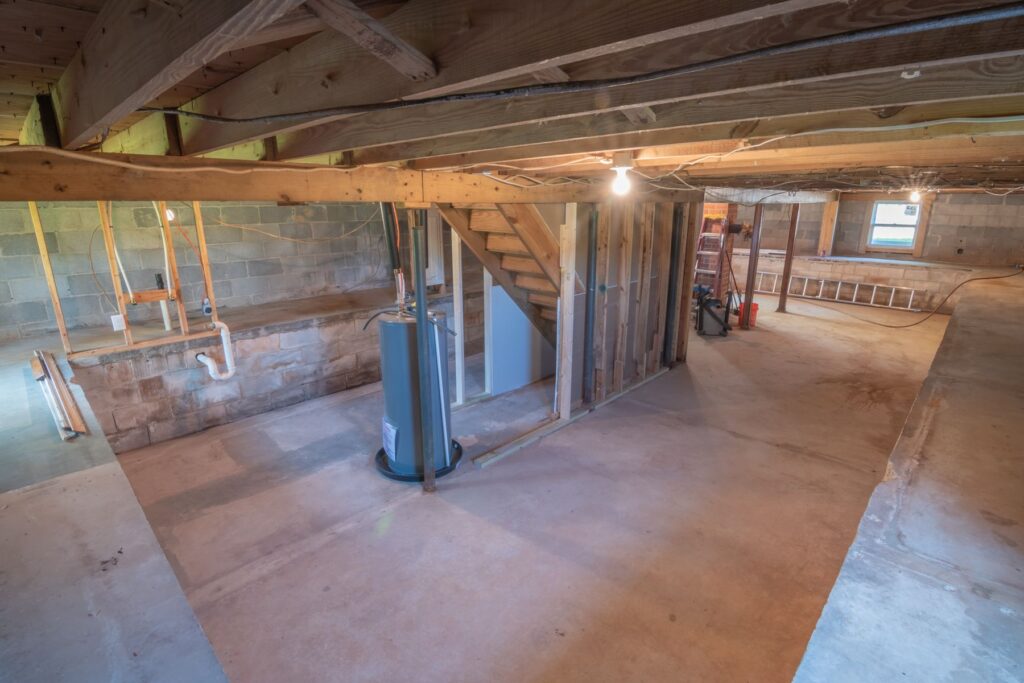
After a sump failure, a contractor removed wet drywall and cleaned framing under containment with HEPA filtration. An independent inspector returned after drying, used a moisture meter to confirm wood was dry, and performed tape lifts on several studs and the floor plate.
Microscopy showed only trace outdoor-type spores with no hyphae on wood surfaces. The inspector issued a clearance letter, and the owner proceeded with rebuild.
Allergies in a Child’s Bedroom
A family followed medical advice to reduce asthma triggers, but symptoms persisted. A technician collected settled dust from the mattress and carpet using a standardized nozzle and sent it to an accredited lab for allergen analysis.
Results showed elevated dust mite allergen. The team added encasements, switched to HEPA vacuuming and damp dusting, lowered humidity with a dehumidifier, and rechecked later to confirm reductions.
Actionable Steps / Checklist
Following a structured approach empowers you to manage moisture, coordinate lead or allergen checks, and maintain safe indoor conditions effectively.
- Identify the goal, whether it’s a remediation decision, medical allergen control, regulatory clearance, or workplace safety.
- If you see or smell mold, fix the moisture and clean or remove affected materials. Skip routine mold testing for that decision.
- For mold verification or hidden concerns, hire an experienced inspector who will do a moisture-focused inspection and, if needed, targeted tape, swab, or bulk sampling.
- For regulated lead-paint projects, use appropriately certified professionals and follow the required dust-wipe sampling and laboratory procedures for the property and scope of work.
- For allergen mapping, collect dust using standardized methods and analyze it through an accredited lab. Pair with cleaning and humidity control.
- Ask for a written report documenting sample locations, laboratory findings, and recommendations, so you have clear records for future repairs, insurance, or property transactions.
- Avoid single quick air samples in isolation. If used, pair indoor with outdoor references and a thorough inspection.
- Keep humidity between about 30% and 50%, ventilate bathrooms and kitchens, and maintain gutters and grading to prevent future moisture.

Glossary
Defining core technical terms removes the confusion often surrounding laboratory sampling methods and environmental compliance standards.
- Spore Trap: An air sample that captures airborne particles on a sticky surface for microscopic counting and identification.
- Tape Lift: A surface sample using clear adhesive tape to collect spores and filaments directly from a material.
- Bulk Sample: A physical piece of material sent to the lab to see whether mold has colonized beneath the surface.
- ELISA: A lab immunoassay that uses antibodies to measure allergens like dust mite or pet dander in dust.
- ERMI: An EPA research index that uses DNA methods on dust; not validated for routine public decision-making.
- Clearance: Post-remediation checks confirming that cleaning goals were met; in lead work, this follows EPA-defined procedures.
- EMLAP: AIHA’s Environmental Microbiology Laboratory Accreditation Program for labs analyzing air, surface, and bulk microbial samples.
- Combustible Dust: Fine solids that can burn or explode when suspended in air; assessed via OSHA sampling and lab analysis.
FAQ
Q: Do I need mold testing if I can see mold?
A: Not always. Visible mold usually means the moisture source and affected material need attention. However, testing may still help when documentation is required, the extent is unclear, or post-remediation verification is needed.
Q: What is the most reliable mold test?
A: A thorough visual and moisture assessment is the most reliable starting point. Targeted surface or bulk samples can confirm active growth or verify cleanup when needed.
Q: Are DIY plates or home kits worth it?
A: No. Plates almost always grow something and don’t tell you the source, extent, or what to fix. Use professional methods tied to clear decisions.
Q: When is dust testing required?
A: After work that disturbs lead-based paint in housing or child care settings, dust wipe sampling and lab analysis are required for clearance. Workplaces may also need dust sampling for combustible dust safety.
Q: Should I run ERMI on my house?
A: ERMI is an EPA research tool, not recommended for routine public use. It doesn’t identify the source and is not a pass/fail for health.
Final Thoughts
Dust testing and mold testing answer different questions, so the best first step is identifying the problem you’re trying to solve rather than choosing a test based on the name alone.
Rarefied Air Environmental provides inspections, targeted sampling, laboratory-supported findings, and detailed reports for properties throughout Del Mar, La Jolla, Carlsbad, Encinitas, and surrounding San Diego County communities.