
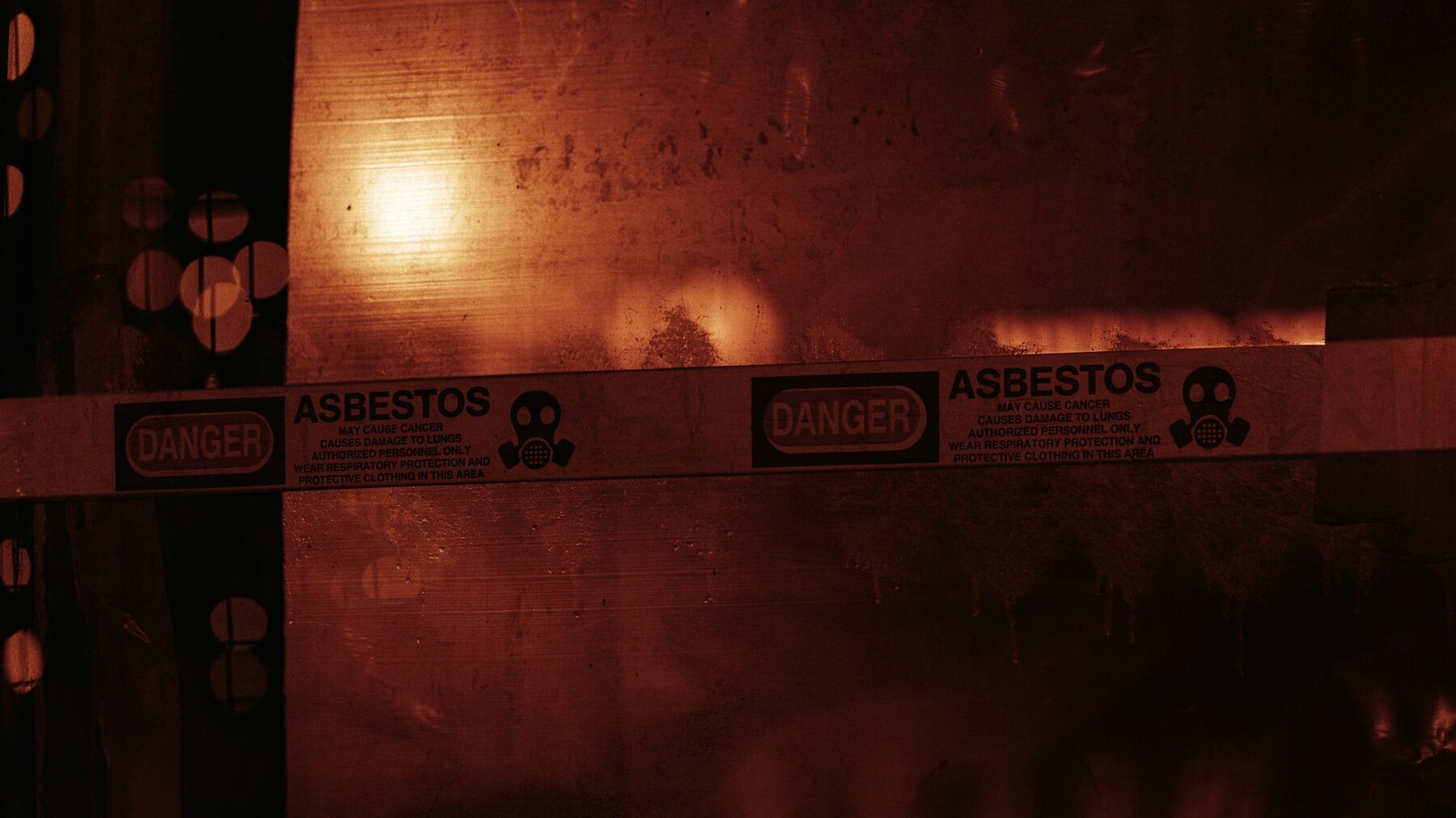
Asbestos is a durable, fire‑resistant mineral that was used in insulation, floor tile, roofing, and more. When asbestos‑containing material (ACM) is intact and undisturbed, it often poses little immediate risk. When it’s cut, sanded, or damaged, tiny fibers can become airborne and inhaled, which is where the danger starts.
If you’re planning a renovation or you have aging materials, you may be weighing asbestos testing vs removal. This guide explains when testing is enough, when abatement makes sense, and how San Diego-area property owners can make safer, better-documented decisions.
For San Diego County projects, Rarefied Air Environmental can inspect suspect materials, collect samples, and provide written asbestos reports before renovation decisions are made.
TL;DR
- Test first to see whether the materials are damaged or whether the work will disturb them. Removal without evidence can waste money and increase risk.
- Leave ACM in place if it’s intact and can be protected or sealed. Remove it when it deteriorates or is disturbed.
- Use certified asbestos professionals for surveys, sampling, and clearance support. Abatement should be handled by qualified removal contractors when needed.
- Schools and many commercial jobs have federal clearance requirements. Single‑family homes follow state and local rules.
- Air safety for workers follows OSHA limits. Homeowners should still aim for clean post‑work air verified by independent testing.
What Asbestos Testing Really Involves
Asbestos testing answers two questions: whether a material contains asbestos and what the airborne fiber levels are during or after the work.
- Bulk material testing: Inspectors collect small pieces of suspect materials for lab PLM analysis. A material is considered asbestos-containing if it contains more than 1 percent asbestos, though difficult samples may require more sensitive confirmation methods.
- Air testing: Professionals use pumps to capture airborne fibers for PCM analysis, which counts fibers but cannot identify them. When specific identification or extremely low detection levels are required, labs utilize TEM.
For K-12 schools, AHERA mandates specific clearances, requiring TEM for large projects. While single-family homes differ, San Diego County regulations, project scope, and local permit rules often dictate testing needs. To protect your family, the EPA strongly recommends independent professional verification before starting any renovation.
Our in-house lab, operating since 2022, supports faster testing workflows for asbestos and other environmental samples.
When Removal Is the Right Call
Asbestos removal, also called abatement, means taking ACM out under strict containment. It makes sense when:
- The material is friable (easily crumbled by hand when dry) or already damaged, and repair will not hold.
- Renovation or demolition will disturb the material.
- Encapsulation or enclosure will be impractical, short‑lived, or costlier over time.
- A regulator requires it for a specific project type or quantity.
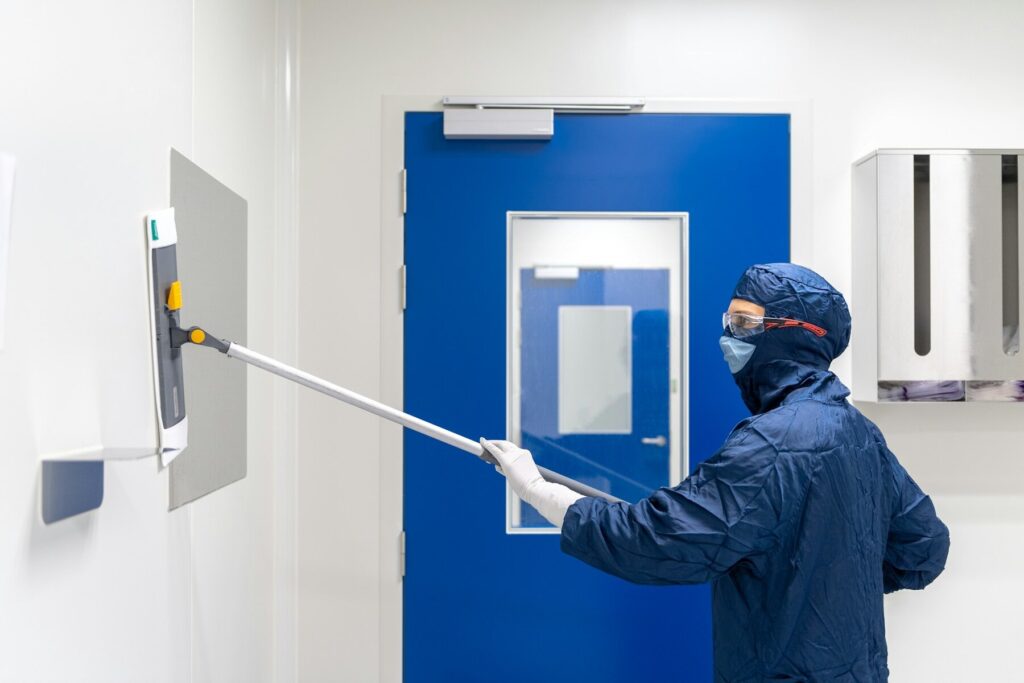
During abatement, licensed contractors use plastic containment, HEPA-filtered negative air, and wet removal methods to isolate fibers in accordance with federal NESHAP and state rules. After cleaning with HEPA vacuums, obtaining an independent air clearance is a critical best practice to protect your home.
Our asbestos specialists can help define the scope before removal, document sample results, and provide independent clearance support after abatement.
Asbestos Testing vs Asbestos Removal: Choosing the Right Path for Your Home
A clear comparison between evaluating a suspected material and eliminating it protects both your family’s health and your renovation budget.
| Factor | Testing (Assess & Monitor) | Removal (Abatement) |
| Goal | Confirm if ACM is present; measure the air before/after work | Eliminate ACM from an area or system |
| Best When | Material is intact; work will not disturb it, or you need to plan safely | Material is damaged, friable, or will be disturbed by renovation or demolition |
| Typical Methods | Bulk PLM for materials; PCM or TEM for air | Containment, wet methods, HEPA, disposal, and post‑work air clearance |
| Pros | Lower immediate cost; avoids disturbing ACM; fast | Permanently removes source; simplifies future projects |
| Cons | ACM remains and must be managed; retesting is needed after changes | Higher cost and coordination; disturbance risk if done poorly |
| Who Can Do It | Accredited inspector and NVLAP/AIHA‑participating lab | Licensed abatement firm; independent tester for clearance |
| Regulatory Triggers | Sampling and AHERA‑style methods are widely used; rules vary for homes | NESHAP notifications for many demos/renos; AHERA TEM clearance in schools; OSHA rules for workers |
How to Decide With Confidence
Start with the condition and likelihood of disturbance. If ceiling texture, flooring, or pipe wrap is intact and you can leave it undisturbed, testing plus management may be enough. If you will cut, grind, drill, or remove those materials, or if they’re deteriorating, an abatement plan is required. For schools and many commercial projects, clearance criteria are mandatory.
In San Diego County, Rule 1206 doesn’t require asbestos sampling for certain single-family remodels, but testing is still strongly recommended before disturbing suspect materials. When in doubt, have a certified asbestos consultant review the materials before a contractor cuts, sands, drills, or removes them.
Short list of smart moves:
- Never sand, scrape, or saw suspect materials before sampling.
- Use certified asbestos inspectors and qualified labs that provide written results, the asbestos type and percentage, and clear next steps.
- Get an independent consultant to collect clearance air samples after abatement.
- Keep all reports; you will need them for future projects or property sales.
If you’re unsure whether a material should be sampled or left alone, our asbestos consultants can review the material, project plan, and local requirements.
How Step-by-Step Testing Works
This walkthrough shows how San Diego-area inspectors identify suspect materials in older homes and buildings without creating unnecessary disturbance.
- Visual inspection: A certified inspector identifies suspect materials by type, age, condition, and likelihood of disturbance.
- Bulk sampling: Small plugs or cores are collected with minimal disturbance, sealed, and logged.
- Laboratory analysis: PLM determines asbestos type and percentage. For some materials or close calls, labs may use point counting or TEM.
- Air monitoring: Pumps collect fibers on filters for PCM counts. For schools or contested results, TEM provides structure identification.
- Reporting: You receive a clear summary of materials that contain asbestos, along with recommendations such as manage in place, encapsulate, or remove.
How Step-by-Step Removal Works
Safe abatement requires a meticulous sequence to keep hazardous fibers completely contained away from your living spaces.
- Planning and notifications: The abatement contractor drafts a work plan, and required San Diego County, NESHAP, or permit notifications are filed when applicable.
- Containment: Work area is isolated with plastic barriers and negative pressure. Access is controlled.
- Wet removal and bagging: ACM is kept wet, carefully removed, and double‑bagged or wrapped.
- Cleaning: HEPA vacuuming and wet wiping continue until surfaces are visibly clean.
- Clearance testing: An independent consultant collects air samples, reviews visual cleanliness, and documents whether the agreed clearance standard was met.
- Waste transport: Sealed waste is transported to an approved landfill in accordance with federal and state rules.
Examples
These examples show how San Diego County homeowners and property managers can avoid unnecessary removal while still planning safe renovations.
Intact Floor Tile in a 1970s Ranch
A homeowner plans to replace carpet in a 1974 ranch and sees 9×9 vinyl tile underneath. An accredited inspector samples the tile and mastic. PLM finds more than 1 percent chrysotile in the tile. Mastic isn’t detected.
The carpet installer can float new flooring without grinding the tile, so the owner chooses manage‑in‑place. Leave the tile in place, add a compatible underlayment, and install new flooring. No removal, no dust, and future work plans will keep the tile undisturbed.
Pipe Insulation in an Elementary School
A school identifies brittle pipe insulation flaking in a mechanical room. Because it’s friable and in a K‑12 setting, the district schedules abatement during a break. The contractor sets full containment and removes the insulation under negative pressure.
After cleaning, an independent consultant performs TEM clearance per AHERA criteria. Results pass. The room reopens with new non‑asbestos insulation and an updated management plan.
Actionable Steps / Checklist
This sequential list gives you immediate control over your environment, transforming a stressful situation into a structured plan.
- Assume suspect materials contain asbestos until proven otherwise.
- If materials are damaged or you plan to disturb them, hire an accredited inspector for sampling.
- Use a qualified lab and request clear, written results that state asbestos type and percent.
- If abatement is needed, get bids from licensed firms and insist on independent air clearance.
- Verify permit and notification requirements with your state and local agencies before work.
- Keep all test reports, chain‑of‑custody forms, and clearance results with your property records.
- After work, visually inspect and confirm that air testing met the agreed standard before reoccupying.
Glossary
Technical acronyms become simple tools that help you communicate confidently with environmental contractors and laboratory consultants.
- ACM: Asbestos‑containing material; a building material with more than 1 percent asbestos by accepted analysis.
- Friable: Material that can be crumbled to powder by hand when dry; more likely to release fibers.
- PLM: Polarized light microscopy; standard lab method for identifying asbestos in bulk materials.
- PCM: Phase contrast microscopy; counts fibers in air but does not identify if they are asbestos.
- TEM: Transmission electron microscopy identifies asbestos fibers and structures at very low levels.
- Encapsulation: Sealing ACM with a specialized coating to lock fibers in place.
- Enclosure: Building a barrier around ACM to prevent disturbance.
- Clearance: Post‑abatement air testing showing a project meets the required clean‑air criteria.
FAQ
Q: Is asbestos testing required before renovating a single‑family home?
A: Requirements vary by state and city. EPA recommends testing suspect materials that are damaged or will be disturbed. Additionally, San Diego County Rule 1206 may require surveys, removal, or notifications depending on the property and project.
Q: Can I collect my own samples?
A: DIY sampling can release fibers and weaken your documentation. Use a certified asbestos inspector who follows safe sampling and chain-of-custody procedures.
Q: Do I always have to remove asbestos?
A: No. If ACM is intact and can remain undisturbed, managing in place with monitoring or encapsulation is often the safer, cheaper choice. Remove when damaged or when work will disturb it.
Q: What air level is considered safe?
A: For workers, OSHA limits exposure to 0.1 fiber per cubic centimeter as an 8‑hour average with a 30‑minute excursion limit of 1.0 f/cc. For schools, AHERA sets specific TEM clearance criteria after abatement. For homes, use local requirements and independent clearance testing when abatement is performed, especially before reoccupying or continuing renovation.
Q: Is asbestos now banned in the U.S.?
A: In March 2024, the EPA finalized a rule that prohibits ongoing uses of chrysotile asbestos under TSCA. Legacy asbestos in existing buildings still exists and must be handled under existing regulations.
Final Thoughts
When you face asbestos, resist knee‑jerk removal. Start with careful testing, weigh the condition and your project plans, and choose the control that reduces risk with the least disturbance. With certified inspectors, clear reports, and independent clearance support, you can protect your property and keep your San Diego renovation moving safely.
For San Diego County property owners, the best decision is usually not “test everything” or “remove everything.” It’s to identify the materials likely to be disturbed, test the appropriate samples, and maintain a clear written record.
Rarefied Air Environmental supports this process with asbestos surveys, bulk sampling, PCM air sampling, and written reports for homes, businesses, and project teams throughout the county.