
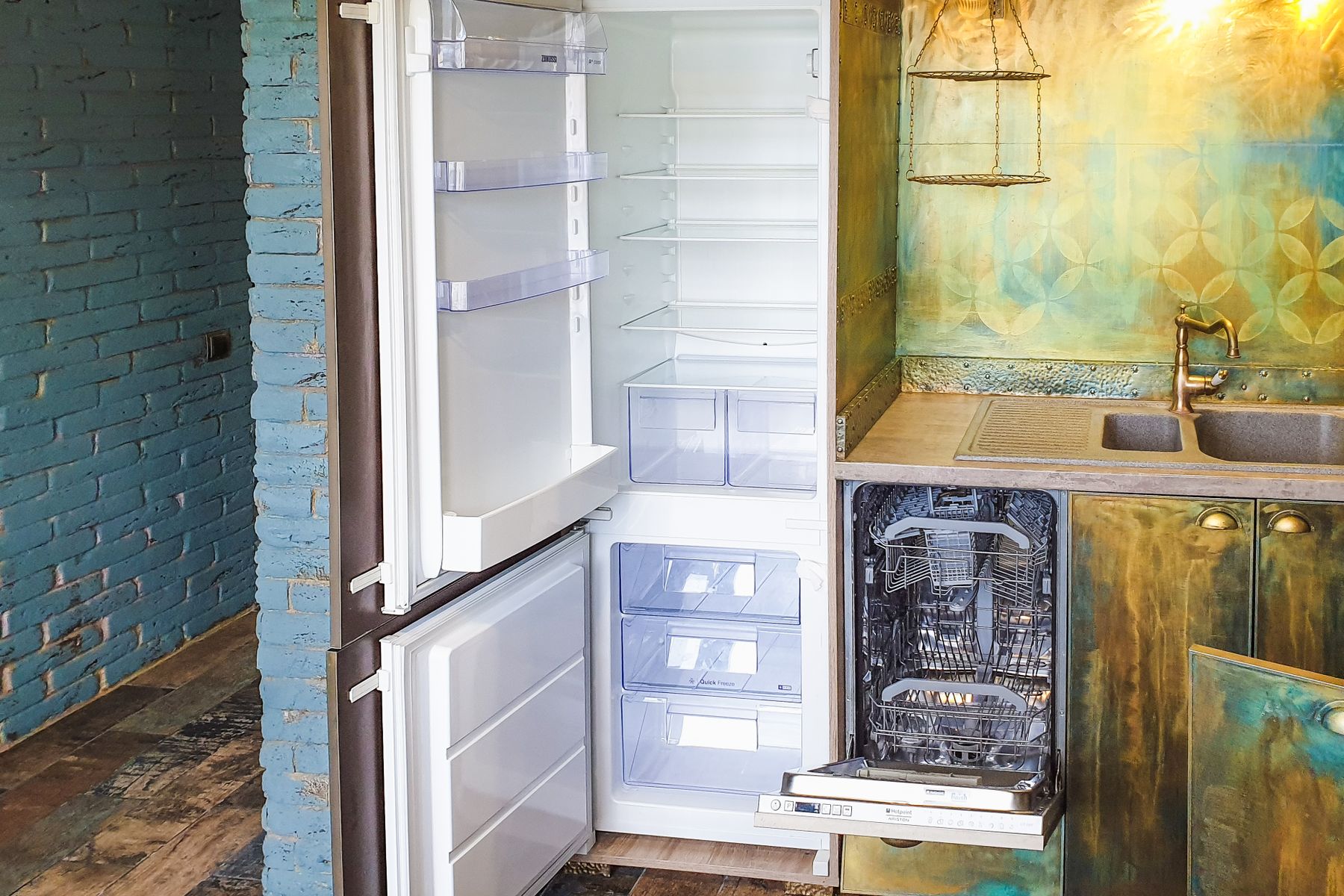
If you’re seeing stains, smelling musty odors, or dealing with past leaks, you’re smart to ask what mold testing costs in San Diego. Pricing varies a lot here because homes range from coastal condos to hillside houses with crawlspaces.
The good news: you can estimate a fair price once you know what drives it. This guide explains local costs, the tests that matter, when testing is useful, and how California rules apply. You’ll also see how our environmental testing services can provide quotes depending on your home’s situation and needs.
TL;DR
- In San Diego, a professional mold inspection with laboratory sampling may cost approximately $350–$750, while additional samples commonly add about $75–$150 each.
- Testing is often optional if you see or smell mold. Focus on fixing the moisture and cleanup per public health guidance.
- California doesn’t issue a mold-specific inspector license. Look for an experienced environmental professional whose samples are analyzed by a qualified environmental microbiology laboratory.
- Many assessments include an outdoor comparison sample and one or more indoor samples, but the appropriate number depends on the property and the suspected problem.
- After remediation, third‑party clearance testing is a prudent check even though California doesn’t mandate it.
What Counts as Mold Testing vs. Mold Inspection
Public health agencies stress that if you see or smell mold, sampling usually isn’t necessary to decide whether cleanup is needed. Testing can help in hidden cases, real estate transactions, or to verify cleanup.
- For mold inspection, a visual and moisture assessment finds where dampness and mold could be. Inspectors use moisture meters to confirm damp materials, while thermal imaging may reveal temperature patterns associated with possible moisture.
- For mold testing, laboratory analysis of samples identifies spores on surfaces or in air. Common sample types are spore‑trap air cassettes, tape lifts or swabs, and bulk pieces of material.
- Post-remediation verification is an independent evaluation of visible conditions, moisture, cleanliness, and, when appropriate, air or surface samples after cleanup.
How Much Does Mold Testing Cost in San Diego
A San Diego mold inspection with laboratory sampling may cost roughly $350–$750. However, the final price depends on the inspection scope, sample count, property size, and reporting requirements.
Estimates of San Diego inspection packages generally place professional mold evaluations in the mid-hundreds. Still, quotes aren’t directly comparable unless they include the same inspection time, sample count, laboratory fees, and reporting.
Each extra air or surface sample typically adds $75–$150. Fees rise for large homes, attic or crawlspace access, complex moisture problems, or rush turnaround. San Diego examples that reflect this market:
- A local inspection firm lists a mold inspection that includes two lab samples for about the mid‑$400s.
- Another San Diego provider publishes pricing that bundles several samples with inspection. Additional samples are billed separately.
- Extra indoor air samples beyond the base package are around $75–$150 each.
- HVAC supply or return sampling is commonly billed as an additional air sample, with the cost depending on access and the requested laboratory analysis.
- Rush laboratory reporting may add approximately $50–$150, although availability and cost depend on the laboratory and the type of analysis.
- Additional buildings, distant service locations, or unusually complex sites may require a custom quote.
Use these numbers as guideposts. Get firm, written quotes that state how many samples are included, the lab used, and report turnaround.
What Drives the Price
Your quote will depend primarily on how much of the property must be inspected, how many areas require sampling, and how quickly you need the report.
- Home size and access: Larger homes or tight spaces like crawlspaces take longer.
- Sample count: Your inspector may recommend an outdoor comparison sample and targeted indoor samples from the areas causing concern. The appropriate number depends on your property and the purpose of the testing.
- Laboratory and turnaround: Accredited or otherwise qualified environmental microbiology laboratories may charge more for expedited analysis or specialized methods.
- Scope: Visual inspection only versus inspection plus sampling. Thermal imaging and detailed moisture mapping add time and value.
- Independence: Consider using an environmental testing company that doesn’t profit from selling mold removal. This can reduce potential conflicts when you receive recommendations.
Before your appointment, we can explain which areas should be evaluated, how many samples may be appropriate, when results are expected, and what additional fees could apply.
When Testing Is Worth It vs. When It Is Not
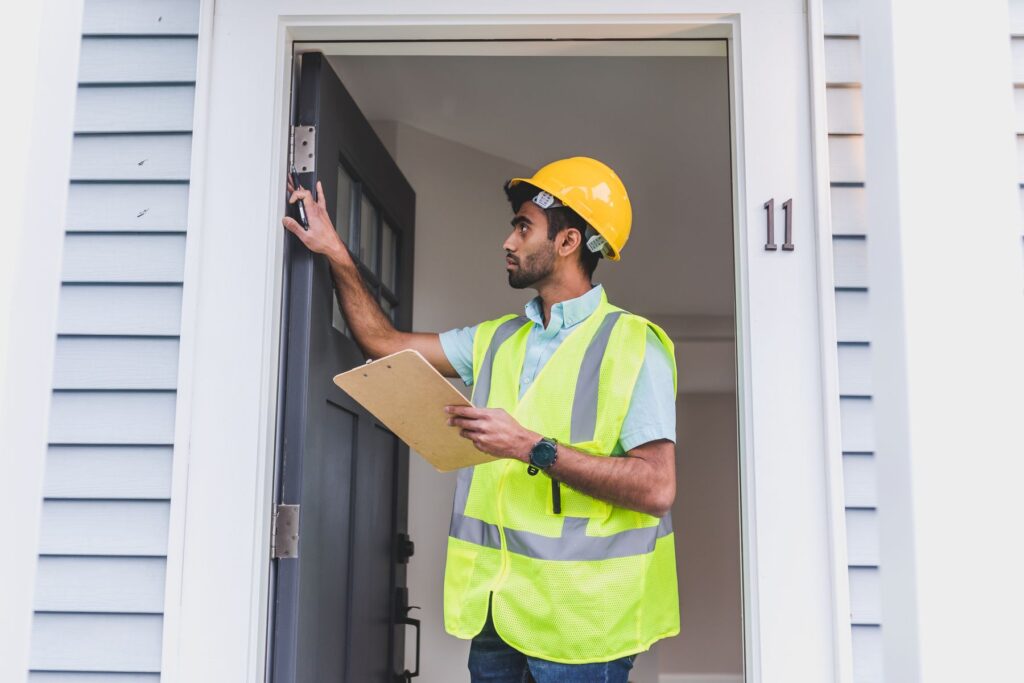
Testing may help you investigate hidden moisture concerns, compare specific rooms, document conditions during a property transaction, or evaluate an area after remediation. An inspector can help determine whether sampling will answer the questions you have about the property.
Testing is often unnecessary if there’s visible mold or a clear moisture issue. EPA and California public health guidance say to fix the water source and clean or remove affected materials rather than spend money proving what you already know.
Also note there are no federal numeric standards for acceptable indoor mold levels, so results must be interpreted by an experienced professional.
San Diego Mold Test Types, Costs, and Best Uses
Clear guidance on test options gives coastal homeowners peace of mind when choosing the right evaluation for their property. From Del Mar estates to Carlsbad family residences, selecting targeted sampling methods keeps project scope accurate while protecting indoor air quality.
| Test Type | What It Does | Typical Add‑On Cost (SD) | Best For | Notes |
| Air spore‑trap sample | Counts spores per cubic meter by type | $75–$150 per sample | Hidden issues, room‑to‑room comparison, clearance | An outdoor comparison sample is commonly collected when it will help interpret the indoor results. |
| Surface tape or swab | Identifies growth on a spot | $50–$100 per sample | Visible discoloration, material ID | Confirms mold presence on that surface only. |
| Bulk material | Lab analyzes a piece of drywall/insulation | $75–$150 per sample | Heavily damaged materials | Useful during demolition planning. |
| Cavity air (wall/ceiling) | Probes voids without full demo | $100–$175 per sample | Suspected hidden leaks | Helps decide where to open walls. |
| ERMI dust test | Scores settled dust via DNA methods | Varies widely | Research, not routine decisions | EPA characterizes ERMI as a research tool; not recommended for general public decision‑making. |
Who Can Legally Test in California
California doesn’t currently require a state license specifically for mold inspectors or remediators. When comparing providers, ask about the following:
- Relevant experience and credentials, which may include a Certified Industrial Hygienist or an indoor environmental certification appropriate to the work.
- Inspection‑only policy (no remediation sales).
- Laboratory analyses performed by an AIHA Laboratory Accreditation Programs (AIHA‑LAP) Environmental Microbiology Laboratory Accreditation Program (EMLAP) lab.
- Clear, written scope aligned with recognized standards.
What About Laws, Standards, and Clearance
Under California law, visible mold growth, as determined by a health or code enforcement officer, can deem a dwelling substandard under Health and Safety Code section 17920.3. That triggers repair duties, but it doesn’t mandate testing.
Meanwhile, there are no federal regulatory limits for indoor mold counts. That is why sampling is a decision tool, not a pass/fail compliance test.
The ANSI/IICRC S520 standard outlines professional mold remediation, including containment, negative pressure, work practices, and post‑remediation verification. While not law, it’s widely recognized and often referenced in insurance work. Independent clearance testing after remediation is best practice.
How Long It Takes and What You Get
A standard inspection with sampling takes 1–3 hours on site for a typical single‑family home. Laboratory results are often available within several business days, while expedited options may be available depending on the laboratory and analysis requested.
Depending on the agreed scope, the report may include photos, moisture readings, and sample locations. In addition, a report often shows laboratory results listing identified spore types or fungal structures, and recommended next steps.
Examples
These scenarios illustrate how certified inspectors pinpoint moisture sources and guide safe remediation steps across San Diego County properties.
Coastal Condo Bathroom
A 900‑sq‑ft Pacific Beach condo had a musty odor and a small gray patch on the bathroom ceiling. The inspector found elevated humidity from long showers and weak ventilation. The owner chose a modest package with two air samples plus an outdoor control. The total cost was in the mid‑$400s, with a 2‑day lab turnaround.
Results showed bathroom counts higher than outdoors, pointing to local moisture, not whole‑home contamination. The owner upgraded the exhaust fan, cleaned the small affected area properly, and monitored humidity with a simple hygrometer.
Leaking Fridge Line in La Mesa
A family discovered a past leak behind the refrigerator with buckled baseboards. The inspector used a moisture meter and thermal imaging to map damp drywall across the kitchen and adjacent pantry. Four samples were taken, including an outdoor control, the kitchen, the pantry, and an HVAC supply near the kitchen. The bill landed around the upper‑$600s due to extra sampling.
Remediation removed wet drywall and cleaned contents under containment per S520 principles. Post‑remediation verification included two air samples in the work zone and one outdoor control, which supported the conclusion that the work area met the project’s post-remediation criteria.
Actionable Steps / Checklist
Use this checklist when requesting a mold inspection, reviewing a quote, or deciding whether laboratory sampling would be useful.
- Decide if you truly need testing now. If you can see or smell mold, prioritize fixing the moisture source and cleaning or removing affected materials. Add testing only if you need documentation.
- Hire an independent inspector who doesn’t sell remediation. Ask for a sample plan up front and the lab name.
- Ask which laboratory will analyze the samples, what accreditation it holds, and whether an outdoor comparison sample is appropriate.
- Get a fixed‑price quote that states how many samples are included, per‑sample add‑ons, and rush fees.
- Require a written report with photos, moisture readings, sample locations, lab results, and clear next steps.
- If you hire a remediation contractor, ask whether its procedures follow ANSI/IICRC S520. Our environmental testing specialists can then perform independent post-remediation verification when appropriate.
- Skip ERMI dust scores for routine decisions. Rely on targeted inspection, appropriate sampling, and moisture control.
Glossary
Technical terminology can feel intimidating during an environmental check, but straightforward definitions bridge the gap between complex lab data and effective home care.
- Air Spore‑Trap Sample: A measured air draw through a cassette that captures spores for lab counting by type.
- AIHA EMLAP: An accreditation program for environmental microbiology labs that test mold samples.
- ERMI: Environmental Relative Moldiness Index; a dust DNA score developed for research, not general public decision‑making.
- IICRC S520: The leading industry standard for professional mold remediation practices.
- Moisture Mapping: Using tools to trace damp materials and find leak or condensation sources.
- Outdoor Control Sample: An air sample collected outdoors to compare indoor results against ambient conditions.
- Post‑Remediation Verification: Testing and documentation to confirm cleanup succeeded.
- Tape Lift / Swab: A surface sample to identify mold growing on a specific spot.
FAQ
Q: Does law require mold testing in San Diego?
A: California doesn’t mandate mold testing, although visible mold can make housing legally substandard under Health and Safety Code 17920.3, which triggers repair obligations.
Q: How many samples do I need?
A: Plan on at least three for a basic assessment, including one outdoor control and two indoor samples in suspect areas. Larger or multi‑zone homes may need more.
Q: Are there legal limits for mold spore counts?
A: No federal limits exist for indoor mold counts, so results are interpreted in context by a qualified professional.
Q: Should I get clearance testing after remediation?
A: Yes. While not required by California law, independent clearance testing aligned with IICRC S520 is widely regarded as best practice.
Q: Are DIY petri dishes or ERMI good alternatives?
A: DIY plates are unreliable for decisions, and EPA materials indicate ERMI is a research tool not meant for general public decision‑making.
Final Thoughts
In San Diego, a fair price for professional mold testing or an inspection with sampling usually sits in the mid‑hundreds, and your total hinges on sample count and complexity.
Spend your first dollars on moisture control and a credible, independent inspection. With the right scope, an accredited lab, and a clear report, you will know exactly what to fix and when additional testing is worth it.
Do you need testing for a home or commercial property in San Diego County? Rarefied Air Environmental can inspect the affected areas, recommend targeted samples, coordinate laboratory analysis, and provide post-remediation verification when appropriate.