

Mold concerns usually start the same way for San Diego homeowners, tenants, and property managers: a musty odor, recurring staining, or a persistent moisture problem. When that happens, the first question is whether a DIY mold kit will actually help or whether a professional inspection will answer the real problem faster.
This guide cuts through the noise. You will learn what DIY kits can and cannot tell you, what professionals actually do, when testing is useful, and how to make a smart, cost‑aware choice for your situation. The key theme: moisture control and a good inspection solve more problems than any petri dish ever will.
If your next step depends on real documentation, not guesswork, Rarefied Air Environmental provides San Diego mold inspections with air, surface, and bulk sampling options based on what you actually need to find out.
TL;DR
- If mold is visible, testing is usually unnecessary. Fix the moisture source and clean or remove affected materials.
- If you have a persistent odor without a clear source, a professional inspection and, sometimes, targeted testing can help locate hidden growth or document conditions.
- There are no federal health‑based standards for mold levels in indoor air, so single-number results rarely settle safety questions. If mold is ruled out, understanding VOC testing vs air quality testing can help identify whether chemical pollutants or other indoor air contaminants are causing your symptoms.
- DIY kits are fast and cheap but often misleading. Settle plates grow mold almost anywhere and do not pinpoint sources.
- Professional assessments start with a visual and moisture-focused inspection, then use targeted air, surface, or bulk sampling to answer a specific question or support a specific decision.
- Use recognized standards and experienced professionals where appropriate.
- Many remediators use ANSI/IICRC S520 as a best-practice framework. Assessments may draw on ASTM D7338 and local guidance.
- In California, there is no specific state mold license that can be relied on in and of itself.
What DIY Mold Test Kits Can and Cannot Tell You?
Most DIY kits use settle plates or simple swabs. Settle plates catch spores that fall out of the air over time. Since mold spores are common indoors and outdoors, plates tend to grow colonies whether you have a problem or not. Results don’t reveal where growth started, how much hidden damage exists, or whether moisture is active today.
DIY kits rarely include the part that matters most: inspection of the building itself. Before purchasing a test kit, compare moisture inspection vs mold testing to understand which option is more likely to identify the root cause of the problem. They do not map moisture, check ventilation, or evaluate materials that may be feeding the problem. Public health guidance is clear:
- If mold is visible, you don’t need a test to justify cleanup.
- Fix the leak, dry the area, and clean or remove affected materials.
- If you have a persistent odor in a San Diego home, condo, rental, or office without an obvious source, then a professional inspection and targeted testing can be worth it.
If you are unsure whether you need sampling or a building inspection first, our guide on mold testing vs. mold inspection explains when each option makes sense. You may also hear about a DNA dust test, such as the ERMI test. ERMI is an EPA research tool, not recommended for routine home decisions. On its own, it does not locate sources or set health cutoffs.
For recurring odors or unresolved moisture issues in San Diego properties, Rarefied Air Environmental can combine inspection, sampling, and lab reporting so you are not relying on a DIY result without context.
What Professional Mold Testing Involves
A solid professional assessment starts with the building, not the sample. Inspectors look for water intrusion, damp materials, HVAC issues, and ventilation problems. Many follow ASTM D7338, a guide that emphasizes forming a hypothesis, documenting conditions, and using sampling only when it will answer a specific question. When sampling is warranted, pros may use:
- Air sampling with calibrated pumps and spore‑trap cassettes to compare indoor and outdoor conditions at a given moment.
- Surface sampling via tape lifts or swabs to confirm visible growth or verify cleaning.
- Bulk samples of damaged material for lab identification or remediation planning.
In San Diego, that often means looking beyond the stain or odor to the moisture pattern behind it. That includes whether the issue is coastal humidity, a slow leak, ventilation trouble, or damp building materials. If there is no visible growth or clear moisture source, learning how to choose between mold and VOC testing may help narrow down what is contributing to the indoor air concern.
If your odor or moisture issue seems connected to vents, filters, ducts, or poor airflow, review our guide on how to check HVAC for mold before assuming the issue is limited to one room. When a musty smell, visible growth, or water-damaged material needs a clearer answer, our certified mold inspectors offer air sampling, swab or tape-lift surface testing, bulk sampling, and written recommendations.
Industry Benchmarks for Effective Remediation
When laboratory analysis is used, ask about the lab’s qualifications and quality controls. One recognized benchmark is AIHA LAP’s Environmental Microbiology Laboratory Accreditation Program (EMLAP), which applies to labs analyzing common air, surface, and bulk microbiology samples. If a firm uses an in-house lab, the reporting and method explanation should still be clear and specific.
For cleanup, many contractors follow the ANSI/IICRC S520 Standard for Professional Mold Remediation. It outlines principles like source control, engineering controls (containment and negative pressure), removal of damaged porous materials, and post‑remediation verification.
For commercial spaces, our article on office mold prevention and cleanup offers practical steps for keeping workplaces healthier during and after remediation. Requirements vary by state. In California, there’s no specific state license for mold assessors or mold remediators. It’s better to ask about training, inspection methods, documentation, and how the findings will guide next steps.
When to Test at All
EPA and CDC/NIOSH advise that sampling is usually unnecessary if you already see or smell mold. Professional mold testing can be useful when you need to:
- Locate a hidden source when a San Diego home or building has a persistent musty odor without visible growth.
- Document conditions for a landlord dispute, insurance file, or real estate transaction.
- Verify cleanup after remediation through visual review, moisture checks, and, when appropriate, targeted clearance sampling.
For rental situations, our article on California SB 655 and mold explains how visible mold can affect habitability concerns for tenants and property owners. Do you need that kind of documentation? Rarefied Air Environmental offers post-remediation clearance testing in San Diego and easy-to-read reports designed to support the next decision, whether that is cleanup, negotiation, or moving forward with repairs.
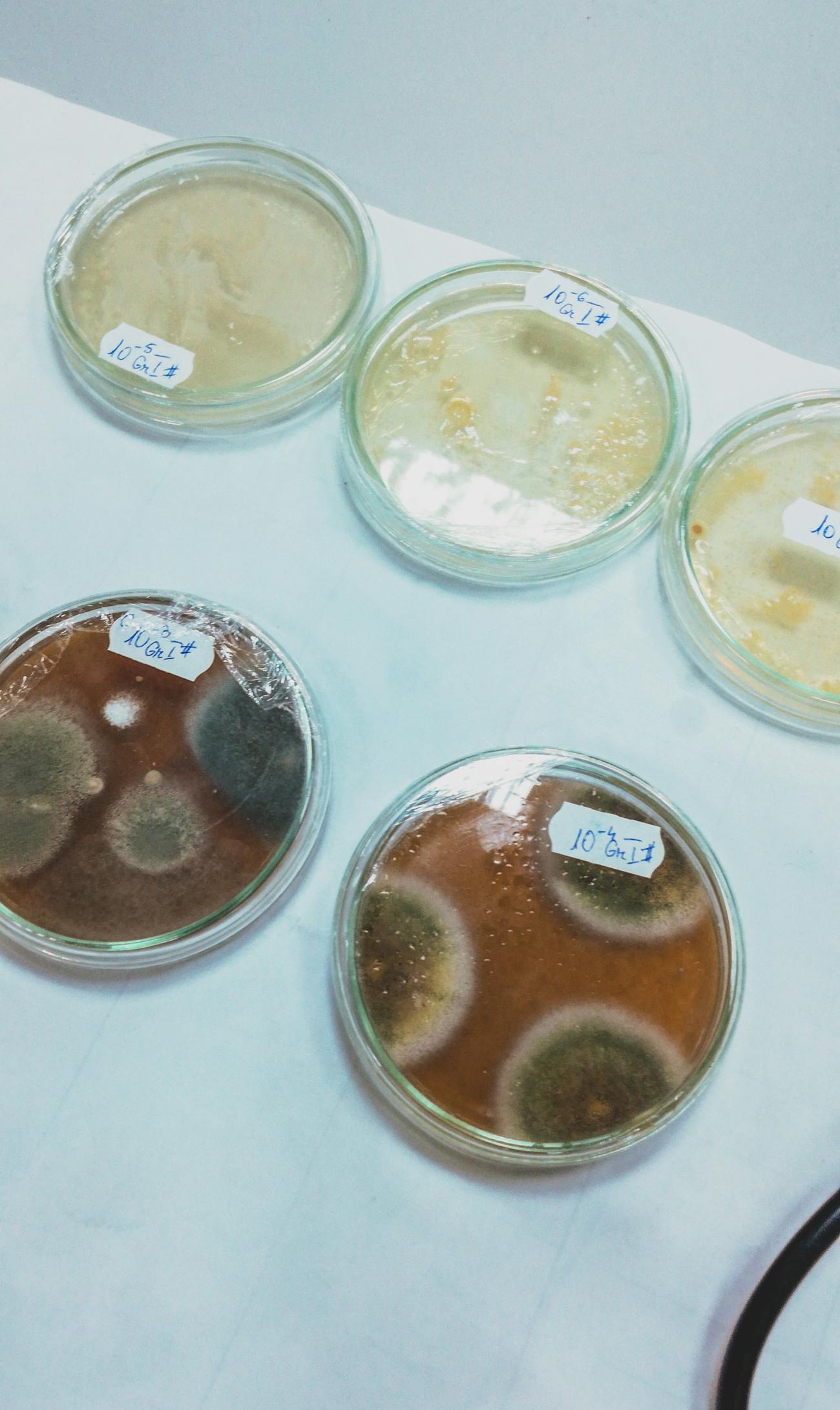
Decision Comparison: DIY Mold Test Kits vs. Professional Mold Testing
Deciding between a store-bought kit and a specialist is about more than upfront cost. For San Diego owners and occupants, the real question is whether you need a cheap curiosity check or a documented answer that helps you solve a moisture problem, support a transaction, or verify cleanup.
| Factor | DIY Mold Test Kits | Professional Mold Testing |
| Goal | Quick check, curiosity, or record that mold can grow | Diagnose sources, document extent, design, or verify remediation |
| Method | Settle plates or basic swabs with a mail‑in lab | Visual and moisture assessment, plus targeted air, surface, or bulk samples |
| Accuracy and interpretation | High chance of false reassurance or false alarm; no recognized cutoffs | Contextual results interpreted against building conditions and outdoors; still, there are no federal health standards |
| Speed and cost | Fast and low upfront cost | Slower and higher upfront cost, but focused on decisions |
| Best use | Rarely decisive; may support simple housekeeping checks | When you need credible documentation or to solve hidden or complex moisture problems |
Common Myths to Avoid
Misinformation leads San Diego property owners to waste time on the wrong fix, either by overreacting to a DIY result or by underreacting to a moisture problem that keeps spreading. Clearing up a few common myths helps you choose the right next step for your property.
- Myth: Black color means toxic mold. The truth is that color doesn’t equal toxicity or hazard level.
- Myth: A single indoor spore count proves a space is safe or unsafe. The truth is that there are no federal health‑based standards for indoor mold counts.
- Myth: ERMI provides a yes-or-no answer to mold problems. The truth is that ERMI is a research index and is not recommended for routine home assessments.
For more context on hidden growth and health concerns, read our article on hidden mold dangers in homes.
Examples
Real scenarios illustrate how different testing methods perform when faced with the specific humidity challenges found in Southern California neighborhoods.
Persistent Moisture in the Bath
A bathroom shows recurring spots on the ceiling months after repainting. The homeowner tries a DIY plate and gets heavy growth, which only confirms what the nose and eyes already knew.
A professional inspection finds an undersized exhaust fan and high humidity after showers. Fixing the ventilation issue and properly preparing the surface before repainting stops the recurrence. No further testing is needed. For seasonal prevention tips, especially when humidity rises, see our guide on summertime mold prevention.
Precision Repairs for Finished Spaces
A musty odor appears in a finished basement with no visible staining. A consultant follows ASTM D7338, measures high wall moisture near a downspout, and uses limited air-tape lift samples.
They document a hidden source and prioritize demolition of a small section of baseboard and drywall. After repairs and removal, targeted surface samples help verify cleaning before a rebuild. If you live near the coast, our article on airborne mold in beach houses explains why coastal humidity can make hidden mold and air-quality concerns more likely.
Actionable Steps / Checklist
These steps give San Diego homeowners, landlords, and property managers a practical way to respond before a minor moisture issue becomes a larger repair.
- Start with the basics. Find and fix moisture fast. Look for leaks, condensation, wet materials, and poor ventilation. Dry wet areas promptly.
- If mold is visible or musty odors persist, skip DIY plates. Clean small areas with appropriate methods and remove porous materials that cannot be cleaned. Address the moisture source.
- Consider professional testing when you need to locate hidden growth, document a dispute, or verify cleanup. Ask assessors to explain their sampling plan and decision points.
- Use qualified help. In states or cities with licensing, hire a licensed mold assessor or remediator. For labs, ask if they are AIHA LAP-accredited.
- For remediation scope and verification, expect work to follow ANSI/IICRC S520. Request a written plan and post‑remediation criteria.
- Keep records, including photos, moisture readings, repair invoices, and lab reports. Good documentation speeds insurance and resale decisions.

Glossary
Technical terms often feel like a barrier, but having the right definitions at your disposal changes the conversation with contractors.
- AIHA LAP: A laboratory accreditation program that evaluates environmental microbiology labs for quality and competence.
- ASTM D7338: A guide for assessing fungal growth in buildings, emphasizing inspection, documentation, and targeted sampling.
- ERMI: Environmental Relative Moldiness Index, an EPA research tool using dust DNA; not for routine home decisions.
- IICRC S520: An ANSI standard that sets best practices for professional mold remediation.
- Spore Trap: An air sampler that draws a measured volume of air across a cassette to capture spores for microscopic analysis.
- Tape Lift: A surface sample using clear adhesive tape to collect mold structures from a material for lab identification.
FAQ
Q: Are there safe indoor mold levels I can compare to my test?
A: There are no federal health‑based exposure standards for indoor mold. Focus on finding and fixing moisture and removing moldy materials.
Q: Do I need air samples to prove a problem?
A: You don’t necessarily need air samples if mold is visible or odors and moisture are obvious. Air data are momentary and can be hard to interpret without context.
Q: When should I hire a pro?
A: Hire a professional when growth is widespread, the moisture source is hidden, and odors persist without a visible cause. You may also want a professional mold tester if you need documentation for a landlord or real estate issue, or if you want post-remediation clearance testing before rebuilding or reoccupying the space.
If mold keeps returning after cleaning, our article on why homes may never be completely mold-free explains why moisture control, prevention, and follow-up testing matter.
Q: What does post‑remediation verification look like?
A: Post-remediation verification typically includes visual and moisture checks, cleaning verification, and sometimes targeted surface sampling, aligned with IICRC S520 or local guidance.
Final Thoughts
Testing is a tool, not a verdict. For most residential and commercial properties across San Diego County, the right sequence is simple: follow the moisture, inspect the building carefully, and use testing only when it answers a specific question or supports a specific decision.
Do you need help locating hidden growth, documenting conditions, or confirming cleanup? Whether you’re in Carlsbad, La Jolla, or Poway, our San Diego mold testing company can inspect, sample appropriately, clearly explain the findings, and provide a written path forward. If you’re concerned about what you’ve found, learning the difference between black mold and regular mold can help you separate common myths from what testing can actually confirm.