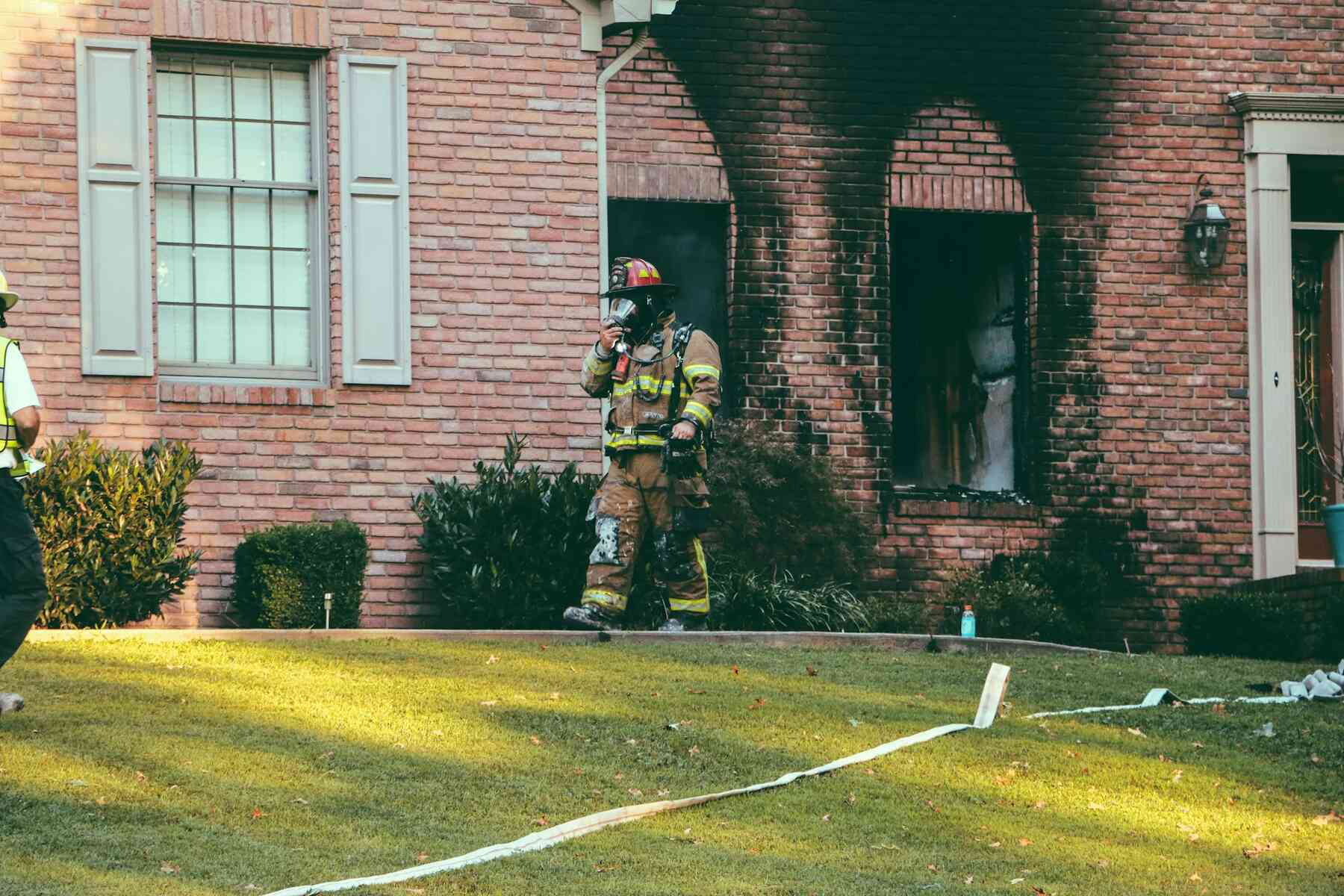
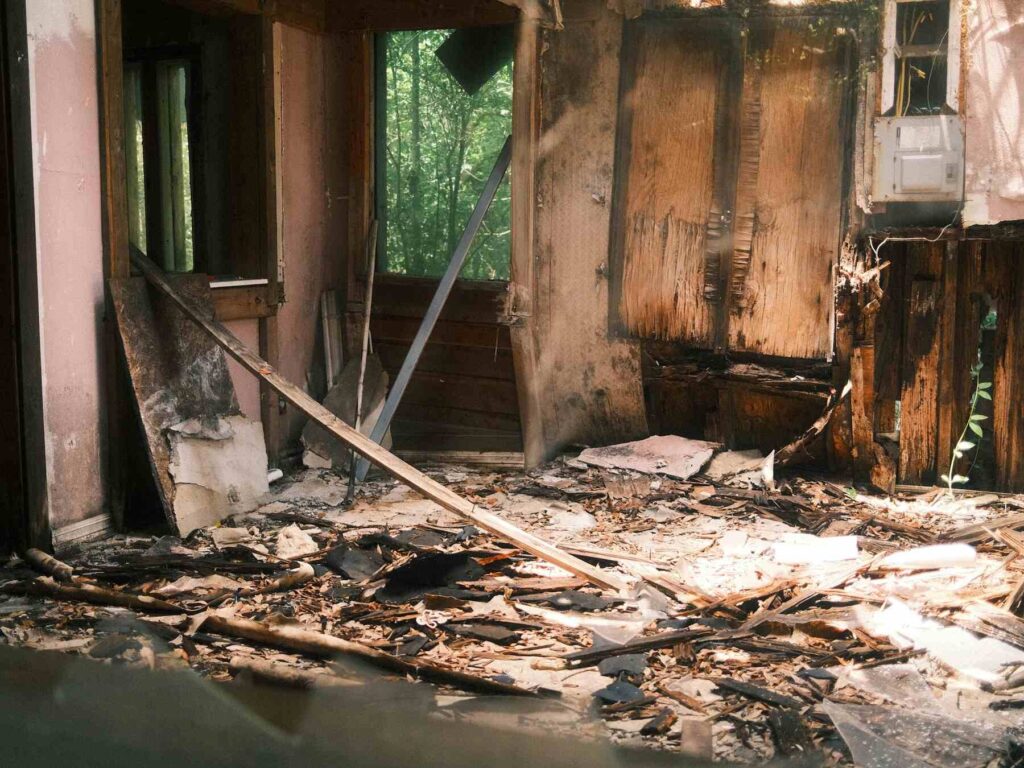
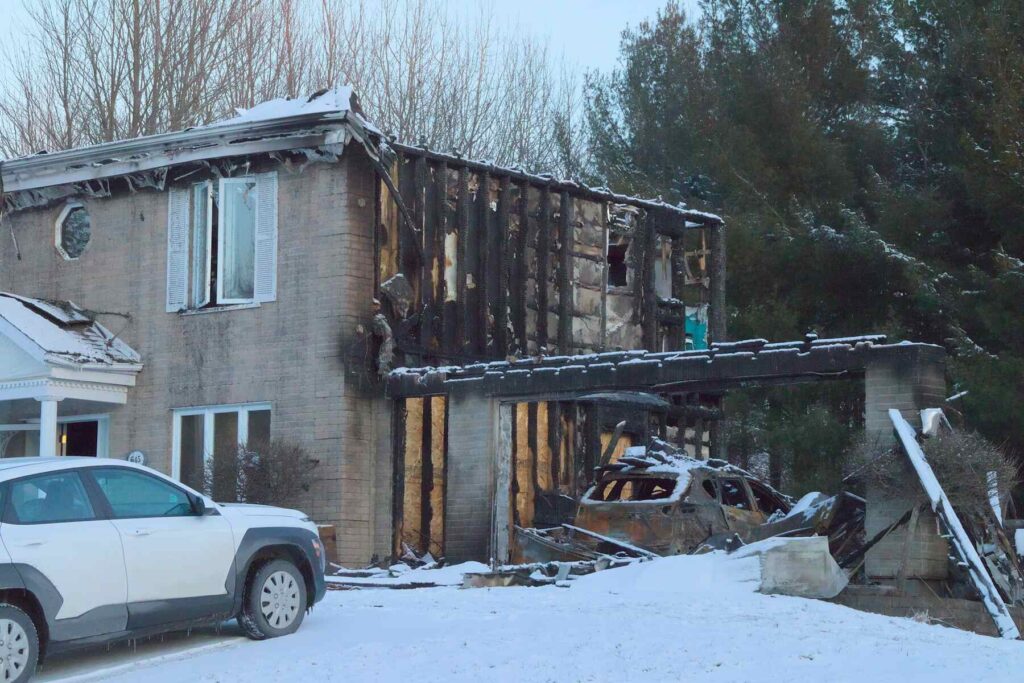
After a fire or wildfire smoke event, the mess you see is only part of the story. Black streaks on walls, a stubborn burnt smell, and gritty dust in vents can point to different types of residue that require different cleanup, testing, and documentation.
Knowing the difference between soot and smoke damage can help you clean more safely and protect your indoor air quality. Likewise, this enables you to avoid spreading residue and gather better documentation for insurance or remediation decisions.
For homes and businesses in San Diego, a professional assessment can help determine next steps when residue is subtle, odors linger, or wildfire smoke may have entered through vents, gaps, or HVAC pathways.
TL;DR
- Soot is often visible as black, gray, or brown carbon-rich residue from incomplete burning.
- Smoke damage is broader and can include particles, gases, VOCs, odors, staining, and corrosion risks.
- Dry, powdery soot cleans differently from oily kitchen residues, protein smoke residue, or plastic-related films that can smear, stain, and hold odor.
- Smoke particles travel far, hiding in HVAC systems, insulation, and cracks. Deodorizing requires removing and filtering, not just masking.
- Wear protective gear, avoid disturbing heavy ash or damaged building materials, protect the HVAC system, and use HEPA tools.
- Skip harsh scrubbing until the type of residue is understood.
- Document everything with photos and lists, then contact your insurer promptly and follow their instructions.
- If you need proof of the residue, where it has spread, or whether cleanup worked, a fire and smoke-damage assessment can use surface sampling, soot/char/ash analysis, air monitoring, and post-remediation verification.
For homeowners comparing those options, this guide to air quality testing vs surface testing after a fire explains what each method can reveal and when one may be more useful than the other. If you are not sure which type of evaluation you need, our guide to fire damage assessment vs smoke damage assessment explains how each one documents visible damage, hidden residue, odors, particulates, and cleanup needs.
What Is the Difference Between Soot and Smoke Damage
Soot is carbon-rich residue left by incomplete combustion. It’s often black, gray, or brown, but fine soot can also settle as a thin film or hide in dust.
Smoke damage is broader, as it can include fine particulate matter, tars, VOCs, and gases that discolor surfaces. It can also embed in porous materials, create persistent odors, and contribute to corrosion on some metals and electronics. Because sources vary, including wood, cooking oils, plastics, textiles, furnishings, and building materials, residues behave differently and need tailored assessment and cleanup.
Visual clues may not be enough in some cases. For this reason, surface wipe sampling, soot/char/ash tape lift analysis, air quality monitoring, or bulk material analysis can help determine whether the residue is fire-related and what the appropriate next steps are.
Why It Matters for Cleanup, Health, and Documentation
Fine smoke particles are small enough to affect the eyes and respiratory system. They may aggravate heart or lung conditions, especially for children, older adults, and people with existing health concerns. Indoors, smoke particles can settle as dust, enter through gaps or mechanical ventilation, and recirculate through an HVAC system if filters, returns, ducts, or equipment are contaminated.
Some fire gases from chlorine- or nitrogen-containing materials can form acids when combined with moisture, which can corrode sensitive metals and electronic contacts. All of this means timing, technique, and protection gear matter.
For insurance or remediation planning, documentation matters too. Testing can help distinguish soot, ash, char, nuisance dust, and smoke-related particles, enabling the cleanup scope to be based on evidence rather than guesswork.
How to Spot Soot and Smoke Damage
Learning to identify subtle signs can help you decide when a light cleanup is reasonable and when testing is needed before contamination becomes harder to resolve.
- Soot clues: Visible black or brown streaks; web-like deposits on walls and ceilings; a light touch leaves dirty fingerprints; on glossy paint, it may look powdery, while on cabinets near a grease fire, it feels sticky.
- Smoke damage clues: Yellowing or brown discoloration on walls and plastics; persistent burnt or chemical odors; residue inside light fixtures, outlets, and cold surfaces; dusty film inside supply registers and on ceiling fan blades.
In some cases, lingering odors can be especially frustrating because people often keep windows closed during smoky days or marine-layer humidity. This allows particles and odors to remain trapped indoors. Smoke damage can release chemical pollutants long after cleanup, making VOC testing vs air quality testing an important comparison when deciding what to test next.
Soot vs Smoke Damage: The Core Comparison
Distinguishing between these two types of indoor pollution helps you choose the right cleaning method and avoid accidentally embedding particles deeper into your walls or furniture. This comparison highlights how different residues react to your home’s surfaces, providing peace of mind for those who want to maintain a pristine living environment.
| Factor | Soot Damage | Smoke Damage |
| What It Is | Often visible carbon-rich residue from incomplete burning | Particles, gases, VOCs, and residues that stain, corrode, and cause odor |
| Typical Look/Feel | Dry, powdery, or oily/sticky near kitchens and plastics | Hazy film, yellowing, and fine dust even far from the fire |
| Where It Hides | Walls, ceilings, above doorways, around vents | Inside HVAC, insulation, cabinet voids, behind trim, fabrics |
| Primary Risks | Smearing and staining can occur if cleaned incorrectly | Lingering odor, respiratory irritation, and potential corrosion |
| Best First Moves | Identify residue type; use HEPA vacuuming and dry sponges only for light, dry soot on stable surfaces | Isolate, filter air, document conditions, remove contaminated dust, and use targeted cleaning or testing when contamination is unclear |
Cleaning Principles That Actually Work
These core ideas help homeowners, property managers, and business owners reduce exposure and decide when cleanup should be guided by professional testing.
Start With Safety
This cautious approach is especially important in older homes or fire-damaged buildings, where debris can create additional hazards.
- For light ash or soot cleanup, wear gloves, long sleeves, eye protection, and a properly fitted NIOSH-approved particulate respirator such as an N95, P100, or equivalent
- If asbestos, lead, chemical vapors, or heavy fire debris may be present, get a professional hazard assessment before disturbing materials.
- Keep kids, older adults, and people with heart or lung conditions out of the work area.
- If in doubt about structural safety or electrical hazards, wait for the fire department or a licensed pro.
Do symptoms appear when you enter the affected area, or is the residue heavy enough to leave marks on your hands or clothing? A fire and smoke-damage assessment can document surface contamination and help determine whether cleanup should involve specialized remediation.
Protect Your HVAC and Air
Turn off the HVAC during active soot cleanup or if the system may be spreading smoke particles. Don’t run the system with returns or registers covered. Use a properly sized portable HEPA air cleaner in a closed room or create a temporary clean room while you work.
When the air is visibly smoky outdoors, limit natural ventilation and rely on filtration instead. Use the highest-efficiency HVAC filter your system can safely handle. Many homes benefit from MERV 13 filtration if the equipment is compatible.
In some situations, smoke odor or dusty film remains inside supply registers, return grilles, or nearby ceiling areas. Surface sampling and particulate testing can help determine whether the HVAC system is still contributing to indoor contamination.
Match the Cleaning Method to the Residue
Using the right technique for specific materials reduces the risk of smearing, staining, or driving residue deeper into surfaces.
- Dry, powdery soot: Lightly lift with a soft-brush HEPA vacuum and soot sponges (vulcanized rubber). Work top to bottom. Avoid water first, as it can set stains.
- Oily kitchen residue or protein smoke residue: Use an appropriate degreasing detergent solution after dry lifting loose particles.
- Plastics and synthetic residues: Expect sticky films, stronger odors, and possible VOC concerns. Sensitive surfaces, electronics, or widespread residue should be assessed before aggressive cleaning.
- Fabrics and carpets: HEPA-vacuum slowly, then launder or hot-water-extract per label. Add an extra rinse. Some odors require professional deodorization.
- Hard surfaces: After dry removal, wash with mild detergent, rinse, and dry. Avoid harsh scrubbing on painted walls. You can push residue deeper or create shiny spots.
When the source of the residue is uncertain, testing can separate soot, ash, char, ordinary dust, and other particulates, allowing cleanup methods to be matched to the actual contamination.
Odor Removal That Lasts
Real deodorizing starts with identifying and removing odor sources, not covering them with fragrance. Combine source removal, thorough cleaning, clean ventilation, and filtration.
Trained professionals in controlled conditions should handle advanced deodorizing methods. Ozone should never be used as a DIY air-cleaning shortcut because it can irritate the lungs, worsen respiratory conditions, and create additional indoor air concerns.
If odor persists after visible cleaning, VOC testing and smoke particulate testing can help determine whether the smell is coming from residual material, porous materials, textiles, or indoor air contamination. When an odor continues after cleanup, deciding between mold testing or VOC testing can help distinguish a moisture-related problem from lingering chemical emissions.
When to Bring in Professional Testing or Assessment
Recognizing the limits of DIY cleaning protects your health, your property, and your documentation trail.
- You see widespread staining on ceilings and inside ducts.
- There is heavy residue on electronics or signs of metal corrosion.
- People in your home have breathing issues or symptoms in the area around the damaged area.
- You need documentation, sampling results, or a defensible scope of work for an insurance claim or remediation plan.
- Residue is visible in multiple rooms, but you’re unsure whether it’s soot, ash, char, or ordinary dust.
- Smoke odor persists after basic cleaning and filter replacement.
- You want post-remediation verification before moving back in, reopening a business, or signing off on cleanup.
Our fire and smoke-damage assessments can include visual inspection, surface wipe sampling, soot/char/ash tape lift analysis, air quality monitoring, VOC testing, particulate testing, and pre- or post-remediation evaluations. The goal is to clarify what is present, where it has spread, and whether the cleanup scope is appropriate.
Examples
Seeing how these issues manifest in different scenarios makes the abstract threat of air particles feel much more tangible.
Small Kitchen Grease Fire
A pan flare-up left sticky, brown residue on cabinets and a smoky film on the ceiling. The homeowner sealed off the kitchen, upgraded to a MERV 13 filter, then dry-vacuumed with a HEPA unit. Soot sponges lifted light deposits without smearing.
A degreasing detergent was applied to the cabinet doors, and a test patch confirmed that the paint could withstand gentle washing. A pro treated the lingering odor in the range hood and cleaned the ductwork.
Distant Wildfire, No Flames Indoors
Smoke drifted in for days through gaps in windows and bathroom fans. Weeks later, a fine gray dust kept reappearing on shelves, and a stale smell lingered in closets. The fix began with a DIY clean room and portable HEPA purifier.
Supply and return grilles were cleaned, filters upgraded, and leaky door weatherstripping replaced. Fabrics were laundered, and surfaces were damp-wiped after a slow HEPA vacuum. The odor faded once the hidden dust in vents and closet tops was removed.
Actionable Steps / Checklist
Following a structured recovery plan helps prevent health risks and the accumulation of hidden contaminants in your ventilation or structural voids.
- Put safety first: Wear gloves, long sleeves, eye protection, and a properly fitted NIOSH-approved particulate respirator for light soot or ash. Don’t disturb suspected asbestos, lead, chemical debris, or heavily fire-damaged materials without professional guidance.
- Control air: Turn off the HVAC during active soot cleanup. Don’t run it with returns or registers covered. Use properly sized HEPA air cleaners in closed rooms, and ventilate only when outdoor air is clean.
- Document everything: Photos, videos, odors, visible residue, HVAC concerns, room-by-room damaged items, filter changes, receipts, and any sampling or lab results.
- Triage surfaces with dry, powdery soot: HEPA vacuum and soot sponges before any wet cleaning.
- Degrease oily residues: Test a degreasing solution on a hidden spot, then clean gently.
- Restore fabrics: HEPA-vacuum, then launder with an extra rinse. Send delicate textiles to a cleaner informed about smoke-odor removal.
- Protect electronics: Don’t power on if soot is present. Consult a restoration pro to avoid corrosion and shorting.
- Service HVAC: Replace contaminated filters with the highest-efficiency filter the system can handle. Consider MERV 13 if compatible. Clean grilles and accessible housings. Seek assessment if residue or odor appears inside ducts, returns, or supply areas.
- Sanitize floors and hard surfaces: Damp-wipe or wet-mop. Avoid dry sweeping ash, which re-aerosolizes particles.
- Manage odor: Remove sources, clean thoroughly, then ventilate and filter. Avoid heavy fragrances that only mask smells.
- Process insurance: Notify your insurer promptly, keep receipts, and save samples of damaged finishes if requested.
- Conduct testing: Consider surface wipe sampling, soot/char/ash tape lift analysis, VOC testing, or smoke particulate testing when contamination is hidden, widespread, disputed, or tied to an insurance claim.
Glossary
- Soot: Carbon-rich particles or deposits left by incomplete combustion; often black or gray, but sometimes present as a thin or hidden film.
- Smoke Damage: The combined effects of particles, gases, VOCs, tars, and residues from fire or wildfire smoke that may stain, corrode, affect indoor air quality, or cause persistent odors.
- Particulate Matter (PM): Tiny airborne particles; PM2.5 is small enough to reach deep into the lungs.
- VOCs: Volatile organic compounds; gases that can contribute to odors and irritation after a fire.
- HEPA Filter: High-efficiency particulate air filter that captures very fine particles.
- MERV Rating: Minimum Efficiency Reporting Value; a 1-16 scale showing how well an HVAC filter captures particles.
- Clean Room: A closed space with filtered air used to limit smoke particle exposure indoors.
- Additional Living Expenses (ALE): Insurance coverage that helps pay for temporary housing and related costs after a covered loss.
- Tape Lift Analysis: A surface sampling method used to collect particles such as soot, char, ash, or dust for microscopic or laboratory evaluation.
- Post-Remediation Verification: Follow-up inspection or testing used to evaluate whether cleanup appears successful before a space is reoccupied or a claim is closed.
FAQ
Q: Does homeowners’ insurance cover smoke damage?
A: Homeowners’ insurance often covers sudden, accidental fires and many wildfire scenarios. However, coverage, exclusions, deadlines, and documentation requirements vary by policy. Read your policy, notify your insurer promptly, and keep photos, receipts, sampling results, and written reports together.
Q: How do I get rid of the smoke smell for good?
A: Remove contaminated dust, clean affected materials, filter the air, and identify hidden odor sources before deodorizing. If the smell persists after cleaning, VOC testing or particulate testing can help determine whether residue remains in porous materials, textiles, HVAC areas, or indoor air.
Q: Can I keep using my HVAC system right away?
A: Turn it off during active soot cleanup or if you suspect the system is spreading particles. Replace contaminated filters, clean accessible returns and grilles, and have the system assessed if odor, film, or residue appears near vents or inside ductwork.
Q: Is it safe for me to clean the soot out myself?
A: Light, dry residue on stable, non-sensitive surfaces may be manageable with HEPA tools and proper protection. Heavy residue, oily or protein smoke residue, suspected hazardous materials, electronics, HVAC contamination, or widespread smoke damage should be evaluated before cleanup continues.
Q: What should I never do after smoke or soot exposure?
A: After smoke or soot exposure, don’t dry-sweep ash. It’s also important not to scrub painted walls before dry removal or power up sooty electronics.
Final Thoughts
Treat soot and smoke as different problems that require distinct tactics. Work safely, control the air, match your cleaning method to the residue, and document as you go. If the job feels bigger than a weekend project, a qualified restoration pro can help you recover faster and protect your health and home value.
For San Diego County properties affected by a structure fire, kitchen fire, or wildfire smoke, our assessment and testing can turn uncertainty into a clearer cleanup plan.