
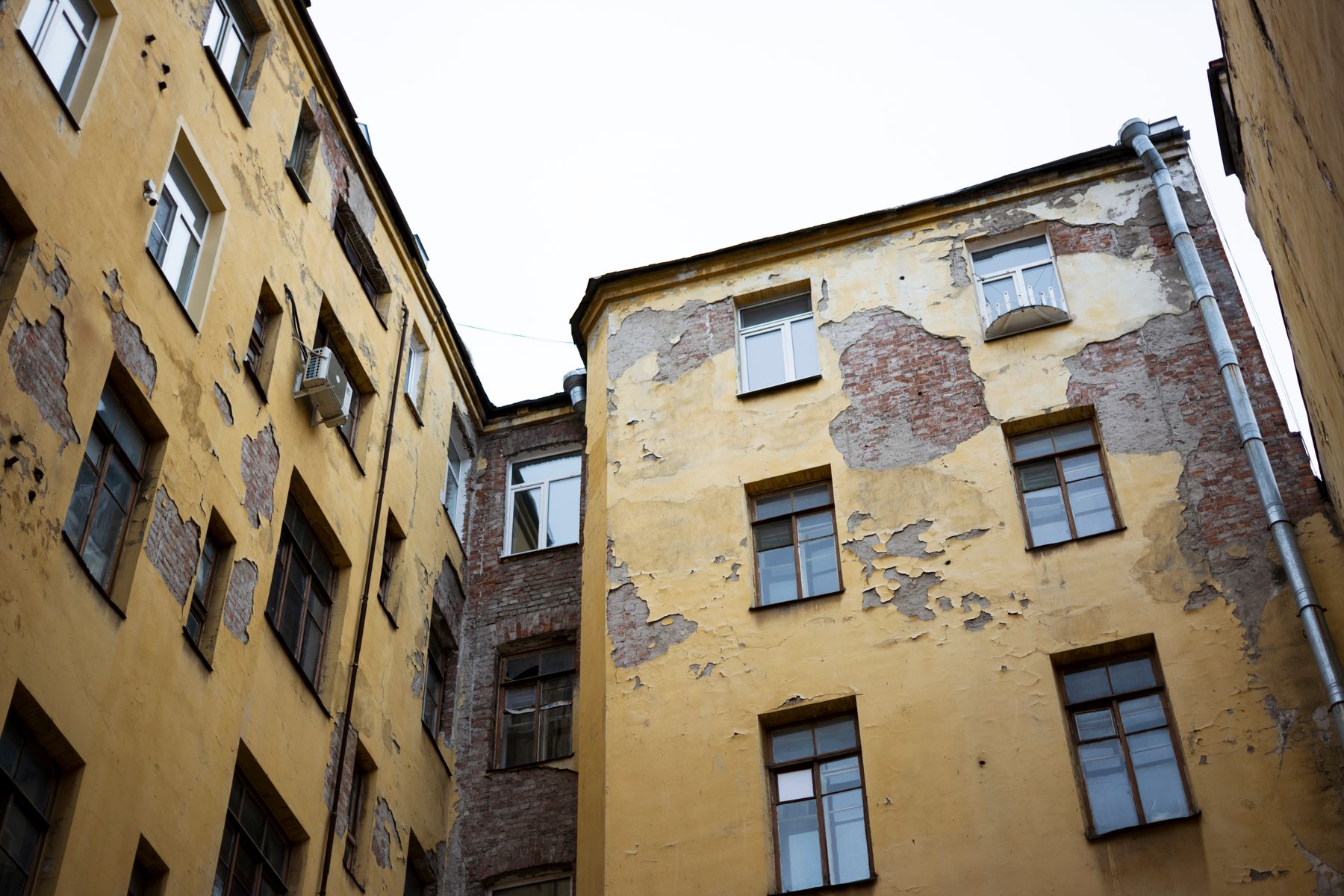
California SB 655 is the 2015 state law that made visible mold an explicit housing-code concern. It clarified when mold can make a building legally substandard and established key rules for landlords, tenants, and local enforcement officials.
If you own, manage, or rent residential property in California, understanding SB 655 can help you recognize when mold moves beyond routine maintenance and becomes a potential habitability or code-enforcement issue.
One quick note to avoid confusion: California SB 655 discussed here is the 2015 legislation concerning mold and housing standards. A separate 2025 SB 655 concerning safe maximum indoor temperatures was signed into law in October 2025 and is unrelated to the mold provisions discussed here.

TL;DR
- Since January 1, 2016, certain visible mold growth can qualify as a substandard housing condition under California law.
- A health officer or qualifying code enforcement officer determines whether visible mold meets the statutory standard.
- Minor mold on surfaces that normally accumulate moisture, such as some shower surfaces, is specifically excluded.
- A landlord’s mold-related repair obligation under the relevant Civil Code provisions generally depends on receiving notice of the condition.
- Tenant conduct can affect repair obligations when a substantial violation of statutory tenant responsibilities substantially contributes to the problem.
- Landlords may enter a dwelling to perform mold-related repairs when they comply with California’s right-of-entry requirements.
- California public-health guidance generally emphasizes correcting moisture problems and removing visible mold rather than relying on routine air testing.
What California SB 655 Actually Does
California SB 655, authored by Senator Holly Mitchell in 2015, amended the State Housing Law by adding certain visible mold growth to the conditions considered inadequate sanitation.
Under Health and Safety Code Section 17920.3, a building can be considered substandard when listed conditions exist to an extent that endangers the life, health, property, safety, or welfare of occupants or the public.
SB 655 added visible mold growth to that list while specifically excluding minor mold on surfaces that normally accumulate moisture during their intended use.
The legislation also defined mold for purposes of the State Housing Law and added Civil Code Section 1941.7, addressing landlord notice and entry for mold-related repairs. California SB 655 took effect January 1, 2016.
Why California SB 655 Matters for Renters and Property Owners
California SB 655 elevates indoor safety standards by ensuring mold issues are treated with the seriousness they deserve under the law.
Understanding these regulations helps housing providers and residents across the state protect their health and property investments through proactive environmental management.
- Clear legal standing: Visible mold is formally classified under the State Housing Law, giving local enforcement agencies explicit authority to address severe moisture problems.
- Tenant protection: Mold concerns are recognized as potential habitability hazards rather than mere cosmetic issues, giving renters peace of mind about their indoor environment.
- Owner accountability: Property managers receive clear guidance on addressing underlying leaks and moisture sources rather than relying on surface fixes.
- Notice requirements: Landlord repair obligations under Civil Code Section 1941.7 generally arise once the landlord has notice of the covered mold-related condition, subject to the tenant-responsibility provisions of Section 1941.2.
- Shared responsibilities: Property duties outline tenant obligations under Section 1941.2, encouraging collaboration to keep indoor spaces safe.
- Professional guidance: Specialized assessment services help both parties verify air quality conditions and establish precise remediation plans across San Diego, Orange County, and neighboring regions.
What Properties Does California SB 655 Apply To?
The State Housing Law applies to buildings used for human habitation. Section 17920.3 expressly addresses buildings or portions of buildings, including dwelling units, guestrooms, and suites of rooms. Its sanitation provisions also specifically reference hotels.
In practical terms, the mold provisions can affect residential settings such as rental houses, apartments, and hotel or motel guestrooms. The rule focuses on the building’s condition rather than limiting it to properties constructed during a particular era.
The landlord-tenant provisions added through Civil Code Section 1941.7 specifically concern the responsibilities of lessors and tenants. Commercial workplaces that aren’t residential occupancies fall under different regulatory frameworks.
California SB 655 in Six Practical Rules
One useful way to understand California SB 655 is to break it into six questions that property owners, managers, and tenants can ask when mold appears.
1. Visibility
For the specific substandard-housing provision created by SB 655, the statute addresses visible mold growth.
That doesn’t mean air or surface sampling is prohibited or never useful. It means the statute doesn’t require laboratory testing to establish the specific visible-mold condition listed in Health and Safety Code Section 17920.3.
2. Confirmation
A tenant or landlord seeing mold does not, by itself, constitute the official determination that the building is legally substandard under this provision.
For enforcement purposes, a health officer or qualifying code enforcement officer makes the visible mold determination. The overall condition must also meet the State Housing Law standard for a substandard building.
3. Location
Not every visible patch of mold triggers the law. California SB 655 specifically excludes minor mold on surfaces that can accumulate moisture as part of their normal, intended use. Light surface mildew on shower tile or grout is a common example.
4. Notification
Notice matters. Civil Code Section 1941.7 states that the specified landlord repair obligation for a mold-related dilapidation doesn’t arise under Sections 1941 or 1942 until the landlord has notice of the condition.
For tenants, promptly reporting leaks and suspected mold and keeping documentation of that notice can therefore be important.
5. Responsibility
SB 655 also preserves existing tenant responsibilities under Civil Code Section 1941.2. A landlord’s repair duty may be affected when a tenant substantially violates obligations such as keeping the premises reasonably clean and sanitary or properly using electrical, gas, and plumbing fixtures.
That violation substantially contributes to the problem or interferes with repairs. This is more nuanced than simply saying that any mold caused by a tenant automatically becomes the tenant’s financial responsibility: the tenant’s conduct and its contribution to the condition matter.
6. Accessibility
When a mold-related condition requires repair, a landlord may need access to the dwelling, but entry must comply with California’s right-of-entry requirements.
Civil Code Section 1941.7 allows a landlord to enter a dwelling unit to repair the covered mold-related condition as long as the landlord follows California’s standard right-of-entry requirements under Civil Code Section 1954.
What Counts as a Substandard Mold Condition?
Under Health and Safety Code Section 17920.3, visible mold can contribute to a building being classified as substandard when it meets the applicable legal standard. The statute excludes minor mold found on surfaces that normally accumulate moisture during their proper use.
This distinction matters because California SB 655 doesn’t make every instance of mildew or discoloration a housing-code violation.
| Situation | Likely Concern | Who Makes the Official Determination? | Practical Next Step |
| Light mildew on shower tile or caulk that wipes away | Often minor surface mold | May not require enforcement involvement | Clean surface and improve ventilation |
| Patchy mold on a bedroom wall near a roof or plumbing leak | Potentially significant visible mold | Health or qualifying code enforcement officer | Find the moisture source and remediate |
| Musty odor and water-damaged baseboards after flooding | Possible hidden moisture or mold problem | Official determination requires inspection when enforcement is involved | Investigate moisture and damaged materials |
| Visible growth in an HVAC closet near a failed condensate drain | Potentially significant mold condition | Health or qualifying code enforcement officer | Correct HVAC moisture source and assess affected materials |
These examples illustrate typical situations rather than predetermining how an inspector would classify a particular property.
How Enforcement Works
That is why documenting the moisture source, corrective work, and post-remediation condition can be valuable for property owners and managers.
Who Determines the Condition
A health officer or qualifying code enforcement officer can make the visible-mold determination required under the statute.
What Inspectors May Evaluate
An investigation can involve visible growth, dampness, water intrusion, building conditions, and the source contributing to the problem. California public-health guidance emphasizes identifying and correcting moisture conditions rather than treating a mold sample as a stand-alone answer.
What Can Happen Next
When a local enforcement agency identifies a violation, the owner may receive notice requiring the owner to correct the condition. Depending on the circumstances and applicable local enforcement procedures, continued noncompliance can lead to additional enforcement action or penalties.
Serious substandard conditions can also result in orders affecting whether an area can remain occupied.
How SB 655 Fits With California Habitability Rules
California’s implied warranty of habitability requires landlords to maintain rental housing in a condition fit for occupancy. California SB 655 strengthens this standard by explicitly addressing visible mold under the State Housing Law.
Understanding these legal intersections helps property owners protect their investments while giving tenants confidence in their living conditions.
- Reporting and inspection: Tenants notify owners of significant dampness, allowing landlords to address qualifying problems before structural damage occurs.
- Enforcement support: Local housing officials step in when repairs stall, keeping health standards consistent across California communities.
- Focus on moisture: Health guidance prioritizes stopping water intrusion first, preventing repeat mold growth at the root.
- Targeted testing: Professional air and surface sampling steps in when hidden growth is suspected or after cleanup to verify that indoor environments are thoroughly restored.
Practical Compliance: Prevention and Remediation Basics
Maintaining healthy indoor environments relies on swift action and clear communication between property managers and residents. Proactive measures protect building integrity and ensure long-term peace of mind for everyone under the roof.
- Source identification: Property owners target underlying causes like plumbing leaks, roof failures, or elevated indoor humidity.
- Thorough cleanup: Professionals remediate or replace affected materials, then deep-dry to prevent recurring spores.
- Tenant participation: Occupants assist by using proper ventilation, reporting leaks early, and granting lawful access for repairs.
- Expert assessment: Professional evaluations provide clear laboratory analysis and tailored remediation steps when visual checks fall short.
- Regional coverage: Rarefied Air Environmental delivers certified testing and detailed findings across San Diego, Orange County, and parts of Riverside County to help resolve moisture issues with certainty.
Common Misconceptions About California SB 655
Misunderstandings about California’s mold and housing rules can leave property owners and tenants unsure of their responsibilities. Clearing up these myths can help them recognize when to address moisture, document conditions, involve local enforcement, or seek professional assessment when testing would answer a specific question.
“Every patch of mold makes a rental legally substandard.”
No. The law specifically excludes minor mold on surfaces that ordinarily accumulate moisture as part of their intended use.
“A mold air test determines whether the property violates SB 655.”
No. The statutory provision concerns visible mold as determined by a health officer or qualifying code enforcement officer. California public-health guidance also doesn’t require routine air testing before addressing visible mold and moisture problems.
“Mold testing is therefore useless.”
Also no. Mold testing can answer specific investigative questions, even though SB 655 doesn’t require it to establish the visible-mold condition the statute addresses.
“A landlord is responsible for every mold condition regardless of tenant behavior.”
Not necessarily. Civil Code Sections 1941.7 and 1941.2 account for substantial tenant violations that substantially contribute to the condition or interfere with necessary repairs.
“A landlord can enter whenever mold is reported.”
SB 655 allows entry for qualifying mold-related repairs, but the landlord must still comply with California’s normal right-of-entry requirements.
Examples
These scenarios show how SB 655 may apply in real-world situations, whether you are a tenant, property owner, or manager.
How Water Intrusion Can Trigger SB 655 Concerns
A second-floor unit develops a brown water stain and fuzzy dark patches on a bedroom ceiling after winter storms. The tenant documents the condition and notifies the owner.
If an inspection determines that the visible mold and underlying moisture conditions meet the substandard-building standard, the enforcement agency may require corrective action. The response could include repairing the roof leak, addressing wet or mold-damaged materials, and thoroughly drying the affected area.
A Common Example of SB 655’s Minor Mold Exception
A studio apartment has light gray growth on shower grout after repeated hot showers, with no evidence of a leak or other water intrusion.
If the growth is minor and limited to a surface that accumulates moisture as part of its properly functioning and intended use, it falls within SB 655’s statutory exception rather than automatically qualifying as a substandard condition. Routine cleaning and appropriate bathroom ventilation may be sufficient to address the issue.
Actionable Steps / Checklist
Depending on your role in the property, these steps can help you document the issue, address moisture problems, and determine when professional assessment may be useful.
- Document conditions: Photograph visible mold, leaks, or water stains and record the date you first noticed them.
- Report issues in writing: Occupants should notify property management in writing and keep a copy for official records.
- Identify moisture clues: Look for condensation, active leaks, persistent humidity, or water stains around the property.
- Reduce indoor dampness: Use available ventilation and address simple moisture problems where safe and practical.
- Track surface changes: Monitor whether staining spreads, odors persist, or materials remain damp after initial corrective efforts.
- Provide lawful access: Occupants should allow timely entry so property managers can safely inspect and repair affected areas.
- Fix underlying causes: Property owners must resolve active water sources before treating visible mold as an isolated issue.
- Note damaged materials: Track wet, deteriorated, or mold-affected building materials that require further evaluation.
- Schedule expert testing: Rarefied Air Environmental evaluates complex moisture conditions and performs targeted mold sampling in California homes.
- Arrange full remediation: Responsible parties should clean or remove contaminated building materials based on the overall scope of damage.
- Verify cleanup results: Rarefied Air Environmental conducts post-remediation assessments to provide independent documentation of safe indoor air quality.
Glossary
Key legal and environmental terms can seem confusing when you are simply trying to maintain a safe indoor space.
- Visible mold: Mold growth that can be observed on indoor surfaces.
- Substandard housing: A building or portion of a building containing qualifying conditions that endanger life, health, property, safety, or welfare under California’s State Housing Law.
- Health officer: A public-health official with authority related to housing enforcement.
- Code enforcement officer: A qualifying local official responsible for enforcing applicable housing or building requirements.
- Inadequate sanitation: The State Housing Law category that includes conditions such as dampness and qualifying visible mold growth.
- Notice: Information that makes a landlord aware of a mold-related dilapidation. Written notice can provide a clearer record of when and what was reported.
- Remediation: Correcting the moisture source and cleaning, removing, or otherwise addressing mold-affected materials.
- Right of entry: A landlord’s legal ability to enter a dwelling for authorized reasons while complying with applicable notice and entry requirements.
FAQ
What is California SB 655?
California SB 655 is a 2015 law that amended the State Housing Law to explicitly include certain visible mold growth as a condition that can make a building substandard. It also added rules concerning landlord notice and access for mold-related repairs.
Is mold testing required under California SB 655?
No. SB 655 doesn’t require a laboratory mold test before the visible-mold provision can apply. Testing may still be useful for specific investigative, documentation, remediation, or clearance purposes.
Who decides whether visible mold is legally substandard?
For the visible-mold provision in Health and Safety Code Section 17920.3, a health officer or qualifying code enforcement officer makes the determination.
Does minor bathroom mold violate SB 655?
Not necessarily. The statute specifically excludes minor mold found on surfaces that normally accumulate moisture as part of their proper and intended use.
When does a landlord’s duty to repair a mold condition begin?
Civil Code Section 1941.7 ties the specified mold-related repair obligation under Sections 1941 and 1942 to the landlord receiving notice. It also recognizes the tenant-responsibility provisions of Section 1941.2.
Can a tenant be responsible for contributing to a mold problem?
Tenant conduct can matter. California Civil Code Section 1941.2 addresses substantial violations of responsibilities such as maintaining reasonable cleanliness and properly using fixtures when the violation substantially contributes to the condition or interferes with repairs.
Can landlords enter a unit to address mold?
Yes. Civil Code Section 1941.7 permits entry for the covered mold-related repair when the landlord follows the requirements of Civil Code Section 1954.
Does California SB 655 cover commercial workplaces?
The legislation concerns State Housing Law and landlord-tenant obligations involving buildings used for human habitation. Mold issues in nonresidential workplaces may fall under other regulations and occupational-safety guidance.
Do tenants always have to move out during mold remediation?
No. Whether temporary relocation is necessary depends on factors such as the location and scope of work, safety concerns, and any requirements imposed by applicable authorities or agreements.
Final Thoughts
California SB 655 gives tenants, property owners, managers, and local officials a clearer framework for handling significant visible mold in residential buildings.
The most important distinction is that the law doesn’t make every trace of mold a housing-code violation. It focuses on qualifying visible mold conditions while recognizing notice, tenant responsibilities, and lawful access for repairs.
Regardless of whether a condition ultimately results in code enforcement, the practical response remains similar. Find the moisture source, correct it, address damaged materials, and document the work.
Have you documented the problem but the source, extent, or next step remains unclear? Rarefied Air Environmental can evaluate moisture conditions and determine whether visual assessment, moisture mapping, air or surface sampling, or post-remediation verification is appropriate.
The resulting findings can help residents, property owners, and managers make more informed decisions about repairs, remediation, or follow-up testing.