
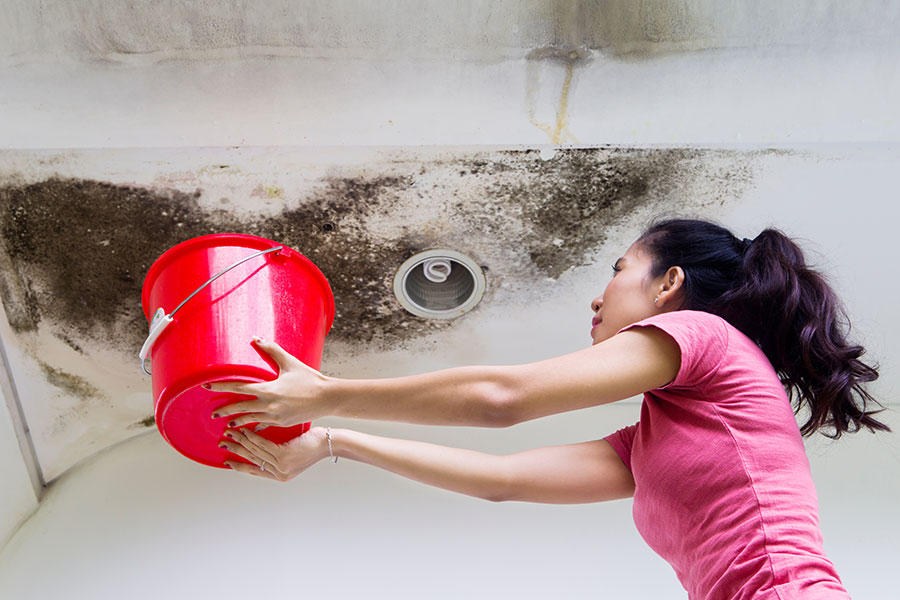
Can a leaky roof cause mold? You might think a leaking roof is just a structural nuisance, but when mold thrives in those damp spaces, it puts your family’s health and your home’s value at serious risk. Learn how moisture from roof leaks creates ideal conditions for mold growth, and what steps you can take to prevent it.
Can a Leaky Roof Cause Mold?
A leaking roof introduces moisture into your attic and walls, creating the perfect conditions for mold spores to thrive on materials like wood. Because hidden mold often colonizes dark, enclosed spaces within 48 hours of water intrusion, a small drip can quickly escalate into a significant structural threat. To protect your home, you must address the water source immediately and dry out organic materials before the colony can establish itself.
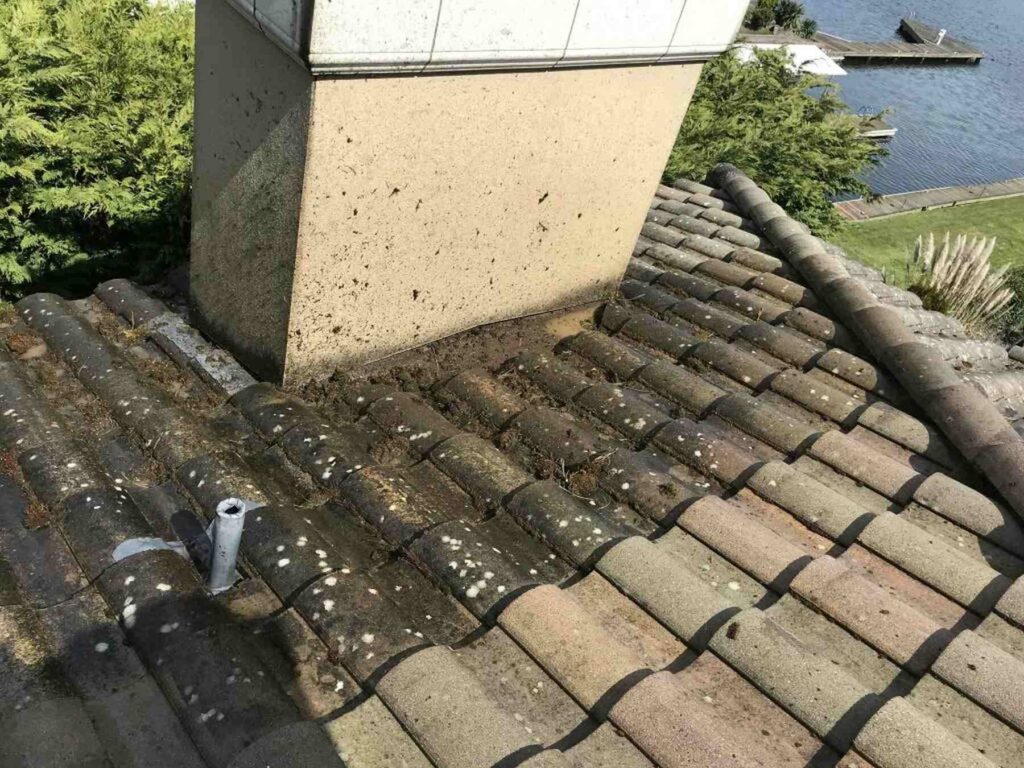
Don’t let mold exposure threaten your well-being. This article outlines the warning signs and preventive strategies you need to stay ahead of potential damage. Partner with Rarefied Air Environmental for comprehensive inspections that can identify the presence of mold before it becomes a major problem.
| Factor | Key Details |
| Mold formation | Moisture from a roof leak creates the perfect conditions for spores to colonize within 24 to 48 hours. |
| Primary risks | Prolonged exposure leads to respiratory issues, electrical hazards, and the rot of load-bearing wooden beams. |
| Cleanup threshold | Homeowners should only attempt DIY cleanup if the affected area is under 10 square feet and they have proper safety gear. |
| Strategy | Mold is a symptom of water intrusion; the underlying leak must be repaired permanently to prevent recurrence. |
| Prevention methods | Long-term protection requires annual professional inspections, clear gutters, and proper attic ventilation. |
| Professional support | Certified mold inspectors and roofing specialists are necessary for large-scale infestations or hidden property damage. |
What Causes a Leaking Roof?
A roof serves as your home’s primary defense. However, various environmental stressors and structural failures can eventually allow water to seep into your living space. When moisture begins to accumulate in hidden areas, such as the attic, it creates the damp conditions that allow mildew, where mold starts to thrive.
These are the common causes of roof leaks:
- Severe weather events: A violent storm can lead to immediate damage. Meanwhile, hail impacts the surface, and high winds tear away vital materials.
- Thermal expansion: Constant swings between hot and cold temperatures cause roofing materials to expand and contract. This can eventually weaken the structural integrity of the home.
- Material degradation: Over time, UV exposure will erode the protective coating on roof tiles or shingles. This can leave your roof brittle and prone to failure.
- Structural vulnerabilities: Small cracks in the chimney mortar or around vent pipes provide easy entry points for water to bypass your roofing system.
How Can a Roof Leak Cause Mold?
Mold only needs two things to survive: water and organic food. Chances are, if there are heavy rains and your roof has undiscovered leaks, you’ll likely have an indoor mold problem in the near future. To put it plainly, water damage and mold go hand in hand.
- Moisture from water leaks can become trapped in building materials, creating a damp environment that allows mold to thrive.
- Stagnant, humid air prevents materials from staying dry, allowing spores to colonize within 24 to 48 hours.
- Water infiltrating ceiling joists causes hidden structural damage, often requiring costly repairs before the mold even becomes visible to the eye.
- Water leaking near electrical fixtures or exposed wiring can create a significant hazard, in addition to encouraging mold growth.
- When moisture is absorbed by building materials, it provides the “organic food” source that mold needs to spread across your home’s internal framework.
Mold may sound like an especially concerning, rare issue found in only the dingiest of homes. In reality, mold lives everywhere. Even in the cleanest spaces, mold spores can be found floating around.
Is Mold From a Leaky Roof Dangerous?
There are risks associated with a water-damaged roof because moisture infiltration often leads to the silent growth of toxic spores. Beyond mere aesthetics, failing to address a leak can lead to serious health issues and compromised safety for everyone inside the building.
1. Health and Respiratory Risks
Once mold starts to spread, inhaling mold spores triggers an inflammatory response in the human body that can escalate quickly if the source isn’t remediated.
- Exposure often manifests as a stuffy nose, persistent wheezing, coughing, a sore throat, or itchy eyes.
- Sensitive or immunocompromised individuals may suffer from asthma attacks, allergic reactions, chronic fatigue, or a lung infection.
- Once mold begins to contaminate the HVAC system, poor indoor air quality leads to chronic breathing and respiratory problems.
2. Fire Hazards and Electrical Safety
When water travels from a leaky roof, it often follows the path of electrical wiring, creating a dangerous intersection of moisture and power.
- Water dripping onto electrical outlets can cause short circuits that ignite surrounding dry insulation.
- Moisture can damage the protective coating on wires, leading to hidden “arc faults” inside your walls.
- Corroded wiring caused by leaks increases electrical resistance, creating localized heat that can start a fire.
3. Structural Disintegration and Material Loss
The structural damage caused by mold goes beyond the surface, as the fungi literally consume the organic materials that hold your home together.
- Persistent dampness leads to the rot of wooden rafters and the eventual disintegration of load-bearing beams.
- Water-soaked ceiling tiles can become heavy and detach, posing a physical falling hazard to occupants below.
- Long-term contact with moisture causes home materials to warp and produce other symptoms of decay, like crumbling and sagging.
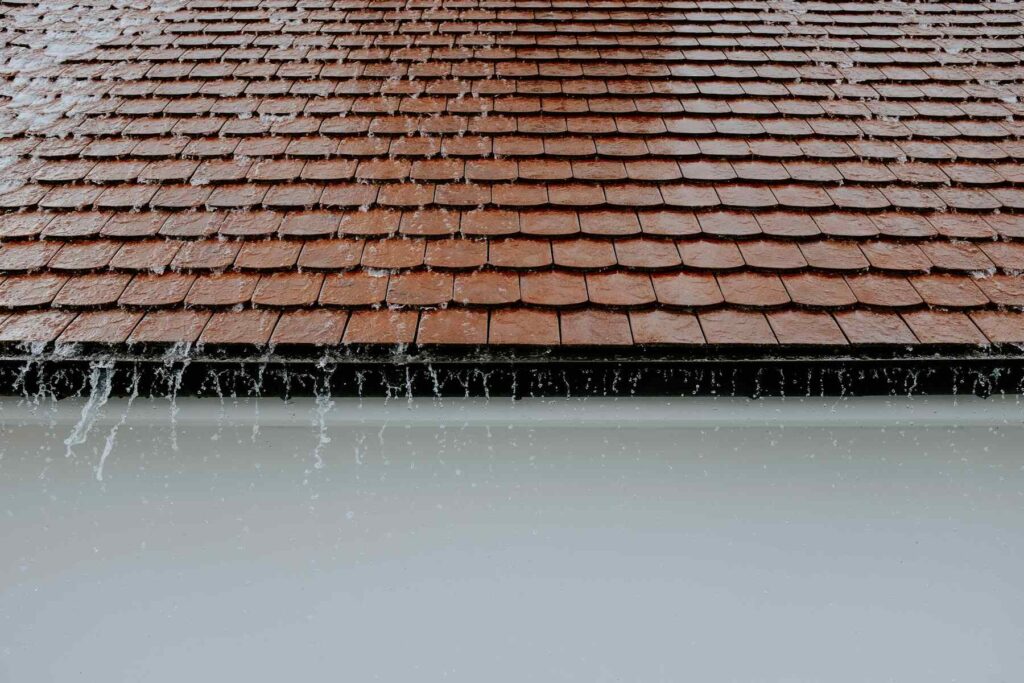
What to Do if a Leaky Roof Causes Mold Growth?
If you notice mold in your ceilings or other parts of the home due to water damage, don’t freak out! Mold is natural and fixable. Addressing the cause of moisture problems will help you protect your home and family from further damage caused by a leaky roof.
1. Hire a Professional for Inspection and Assessment
Mold is not something to mess around with, and bringing in certified experts can guarantee proper evaluation. A professional mold inspector can assess ceiling damage, test for the presence of asbestos and lead, and determine whether you need full mold remediation services.
- Get your space tested before beginning any mold removal. A certified mold inspector can take samples and have them analyzed in a laboratory to confirm the extent of infestations.
- Have experts inspect your attic and other nearby areas to find sources of mold growth, such as leaks, and assess the full scope of the problem.
- Contact a professional to inspect and give you advice on the best course of action and needed repairs.
- Consult with a roofing specialist to evaluate whether roof repair or roof replacement is necessary to prevent costly damage.
2. Address Minor Mold Problems Yourself (Under 10 Square Feet)
For small-scale issues, you can handle the cleanup process on your own while taking proper safety precautions. Mold only becomes a problem when it grows excessively, although this approach can work for minor infestations caused by a leaking roof.
- Find and identify where the leaky roof is allowing water intrusion, then thoroughly inspect your property for visible mold.
- Wear protective equipment, including an N95 respirator, long gloves, and goggles to avoid breathing in spores, and seal off the work area with plastic sheeting.
- Scrub mold from hard surfaces using soapy water or a bleach solution (mix 1 gallon of water with no more than 1 cup of laundry bleach).
- Discard porous materials, such as moldy ceiling tiles, that cannot be completely cleaned, then ventilate and completely dry the area.
3. Fix the Root Cause of Water Damage
Moisture is the illness, and mold is just a symptom. Addressing only the visible mold without fixing the underlying leak in your roof will result in recurring problems. Identifying and repairing the source of water damage can prevent financial challenges and stop mold from coming back.
- Fix and repair sources of water leaks by calling a roofing specialist to handle the necessary repairs and address the cause of the problem.
- Before the rainy season approaches, keep your gutters intact and clear of debris to prevent water from saturating building materials and creating conditions for mold growth.
- Provide adequate ventilation in living spaces to circulate fresh air and prevent allergens and spores from spreading throughout your home.
- Look for wet areas, moisture, or other signs of leaks after rain stops to catch problems early, before they lead to major infestations.
4. Know When to Call Professional Mold Remediation Services
Often caused by rain, humidity, or leaks, excessive mold can become hazardous to your home and family. When mold and water damage are significant, or the infestation covers more than 10 square feet, professional mold remediation is necessary to eliminate the problem.
- Hire an expert. To solve the problem efficiently and effectively, you will need a qualified restoration service to handle your water and mold damage restoration.
- Call professionals when you might need to replace your roof or other mold-infested materials that are difficult to clean, as this requires complete removal.
- Seek expert help if you’re unsure how to safely clean mold-contaminated materials. Disturbing mold releases airborne spores that can cause mold to spread further throughout your home.
- Even if you don’t notice a problem area, we still recommend calling in an expert to confirm that your home is waterproof and mold-free. Problems may exist beyond what you can see.
Mold restoration may also require testing for asbestos and lead. It’s important to get these done before the rain causes more serious water damage. To determine which route to take in getting rid of mold in your home, contact a professional to inspect and give you advice. A certified mold inspector can take samples from your home and get them tested in a laboratory.
How to Minimize or Avoid Roof Leaks, Water Damage, and Mold Exposure
Maintaining a dry and healthy home requires a proactive approach to roof sheltering and humidity control to stop moisture before it settles. Early detection and rapid response are the most effective ways to prevent mold growth after any interior or exterior water intrusion.
- Rapid moisture response: If you notice a leak and water damage, you have a critical 24-48-hour window to dry materials before mold and mildew begin to colonize.
- Environmental control: Maintain low humidity levels and provide enough ventilation by venting exhaust fans and dryers directly to the outdoors.
- Gutter and drainage care: Keep gutters clean and remove any obstructions in drain lines to make sure water flows away from the ceiling and foundation rather than pooling.
- Professional maintenance: Schedule thorough inspections at least once a year with a roofing expert to identify and repair worn spots before they fail.
- Timely home repair: At the first sign of a breach, seek professional intervention from a roofing specialist to fix plumbing, wall, or roof vulnerabilities immediately.
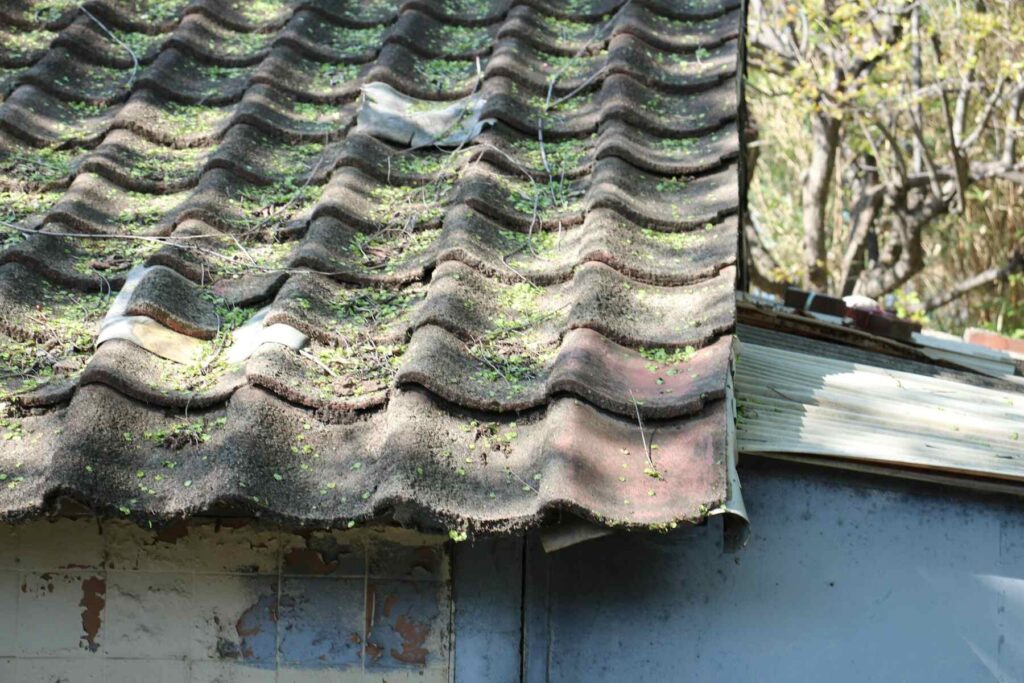
How Can You Tell if Mold Is Growing in Your Property?
Identifying hidden mold behind your home’s surfaces requires a keen eye for subtle changes in texture and scent before the problem escalates. Because water often travels far from a damaged roof, you must inspect both visible and concealed areas to fully assess the extent of the ceiling water damage.
- Visual discoloration: Look for dark spots or colorful stains on your walls and overhead surfaces, ranging from common black and green to unusual pink or blue hues.
- Textural distortions: Moisture causes drywalls to warp, paint to bubble, and insulation to become lumpy or matted.
- Auditory and physical cues: Listen for the sound of trickling water within the structure and feel for dampness on surfaces, especially after rain.
- Olfactory warning signs: A pungent, musty odor emanating from the ceiling or basement often signals an active colony.
- Physical reactions: If you start noticing mold side effects, like unexplained sneezing or skin irritation while indoors, there is likely a leak somewhere in the roof.
While visual signs are a great starting point, mold often hides in cavities where the naked eye cannot reach. Professional mold testing is the best way to accurately identify toxic strains and determine the full concentration of spores in your air. Our expert team uses material testing to confirm the presence of mold, providing you with a definitive plan to restore your home’s health and safety.
Related Questions
Conclusion
Recognizing the direct connection between a leaky roof and mold growth gives you the knowledge to act swiftly and protect your home from extensive damage and health hazards. Contact Rarefied Air Environmental for a professional inspection that will restore your peace of mind and make sure your living space is safe and mold-free.