
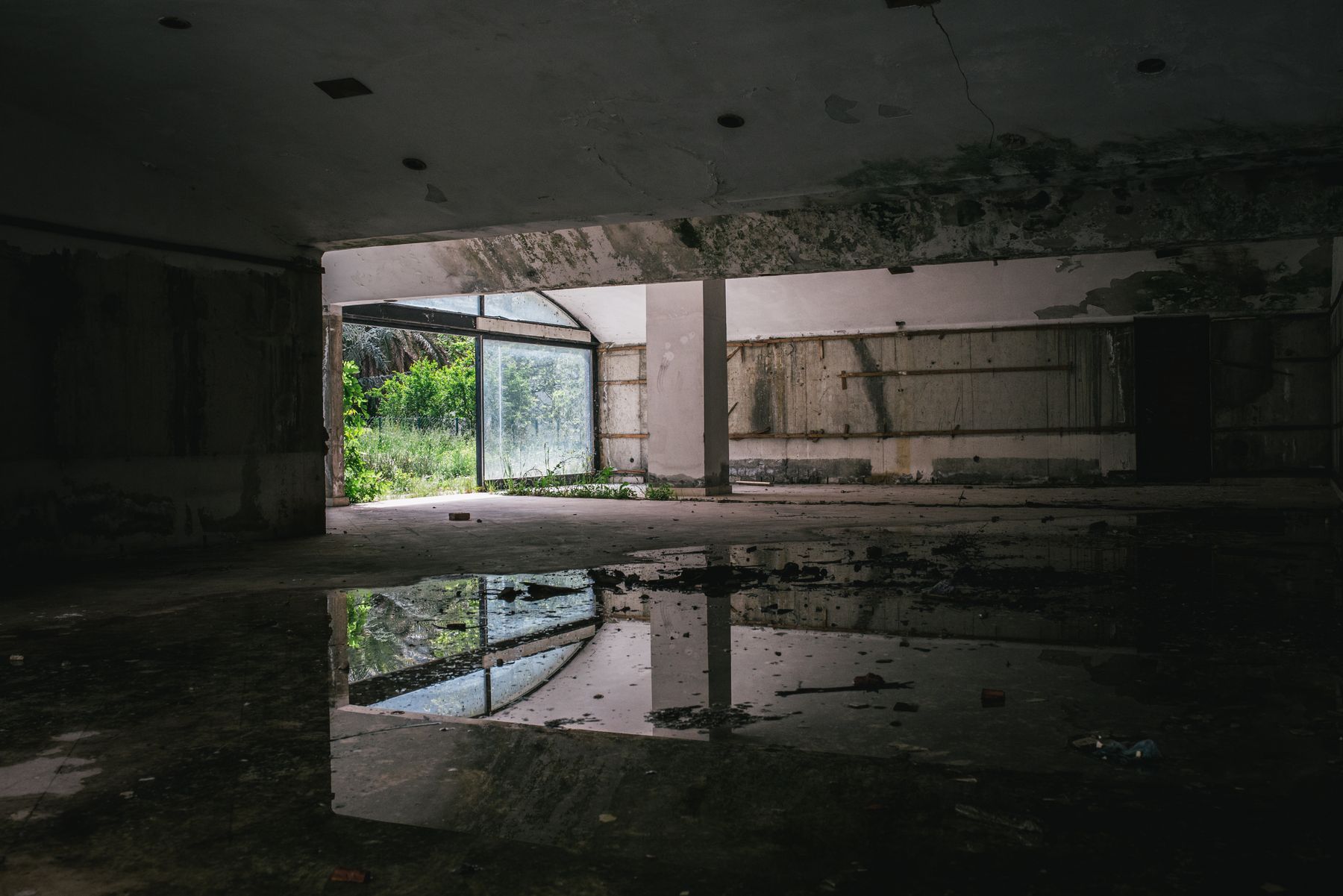
Mold contamination can develop anywhere excess moisture persists, from bathrooms and kitchens to wall cavities, ceilings, flooring, and HVAC-related areas. Sometimes the signs are obvious, such as visible growth or a musty odor. Other times, the first clue is evidence of a moisture problem that could support hidden mold growth.
Knowing what to look for can help you identify conditions that warrant further investigation. It’s also important to distinguish between physical signs of moisture or mold in a building and health symptoms, which can have many possible causes.

Understanding Mold Contamination
Mold is a type of fungus found naturally indoors and outdoors. Mold spores can enter buildings through doors, windows, vents, and heating and air conditioning systems. According to the Centers for Disease Control and Prevention (CDC), mold can begin growing when spores land on materials with sufficient moisture, including areas affected by leaking roofs, pipes, flooding, or other water problems.
Moisture is therefore one of the most important factors to look for when evaluating possible mold growth. The Environmental Protection Agency (EPA) emphasizes that moisture control is key to controlling indoor mold.
Here are some of the most common signs that a home or building may have a mold or moisture problem.
| Sign | What It May Indicate | What to Do Next |
| Musty odors | Possible hidden mold or persistent moisture | Check nearby areas for leaks, dampness, or hidden moisture |
| Visible mold growth | Fungal growth is present, although appearance alone cannot identify the species | Correct the moisture source and assess the affected area |
| Water intrusion or past moisture problems | Conditions that can support mold growth, including hidden growth | Inspect areas affected by leaks, flooding, or persistent moisture |
| Allergy-like symptoms | A possible allergic or irritant response, although symptoms can have many other causes | Seek medical guidance and evaluate the building separately |
| Coughing, wheezing, or respiratory symptoms | A possible response to a damp or moldy environment, particularly in sensitive individuals | Seek medical guidance and check for moisture or mold |
| Worsening asthma or mold allergies | Damp or moldy conditions may aggravate symptoms in susceptible people | Seek medical guidance and assess building conditions separately |
| Peeling, bubbling, or discolored paint | Moisture may be affecting the material beneath the paint | Find and correct the moisture source before repainting |
| Warped or damaged building materials | Current or previous moisture exposure | Check damaged materials for ongoing or hidden moisture |
| Excessive condensation | Elevated indoor humidity or another source of excess moisture | Address humidity, ventilation, and recurring condensation |
| Persistently damp or humid indoor conditions | Conditions that can support mold growth | Check for leaks, poor ventilation, or excess humidity |
| Moisture around the HVAC system | Condensation, drainage, or other moisture problems that may support microbial growth | Check drainage, condensation, and nearby materials for moisture |
| Ceiling or wall stains | Current or previous water intrusion | Find the moisture source and check for remaining dampness |
1. Musty Odors
A persistent musty, earthy, or damp odor may signal moisture and possible mold growth, especially when there’s no obvious explanation.
Pay attention to odors that are strongest in particular rooms, cabinets, closets, basements, or other enclosed spaces. A musty smell doesn’t establish the presence or extent of mold on its own, but it can help identify areas that deserve closer inspection.
2. Visible Mold Growth
Visible mold can appear in different colors and textures, including black, green, white, brown, or other discoloration. It may appear as spots, patches, staining, or fuzzy growth on building materials and other surfaces.
Bathrooms, kitchens, areas around windows, and leak-affected areas are particularly susceptible because mold needs moisture to grow.
Don’t identify visible growth as a particular mold species based on appearance alone. If you are concerned about the type or extent of contamination, a professional assessment can help determine what is happening.
3. Water Intrusion or a History of Moisture Problems
Past or current moisture problems are among the most important warning signs to investigate.
Roof leaks, plumbing leaks, flooding, window leaks, condensation, and persistently high humidity can all create conditions that allow mold to grow. The CDC’s National Institute for Occupational Safety and Health notes that moisture problems can also be hidden, such as wet insulation above a ceiling or moisture within building materials.
If your property has experienced a leak, flooding, or recurring moisture and you’re unsure what was affected, we can inspect the area, map moisture, and collect targeted samples when testing would be useful.
4. Allergy-Like Symptoms
Some people experience allergic reactions when exposed to mold. The American Academy of Allergy, Asthma & Immunology identifies common mold allergy symptoms including:
- Sneezing
- Runny nose
- Nasal congestion
- Itchy or watery eyes
- Itching of the nose, mouth, or lips
The CDC also notes that mold can irritate the eyes, nose, throat, skin, or lungs, including in some people who aren’t allergic to mold.
These symptoms don’t prove mold is present in a building or that mold is the cause. Allergy symptoms can have many potential triggers, and an allergist or other qualified healthcare professional can evaluate persistent or concerning symptoms.
5. Coughing, Wheezing, or Other Respiratory Symptoms
Respiratory symptoms are among the better-established health concerns associated with damp and moldy environments.
According to the CDC, some people exposed to damp or moldy environments may cough or wheeze. The EPA also states that mold exposure can irritate the nose, throat, and lungs.
People with asthma may be particularly susceptible. Mold can trigger asthma symptoms in people who have asthma and are allergic to mold, including wheezing, shortness of breath, and chest tightness.
Anyone experiencing significant or persistent respiratory symptoms should consult an appropriate healthcare professional rather than relying on the presence or absence of mold to determine the cause.
6. Worsening Asthma or Mold Allergies
People with asthma or a mold allergy may notice their symptoms worsen under certain environmental conditions.
Damp indoor environments may worsen asthma symptoms in people with pre-existing asthma. Research has also found an association between damp indoor spaces and new-onset asthma.
If symptoms repeatedly become worse in a particular building and improve after leaving, that pattern can be useful information to share with a healthcare professional. However, the pattern alone doesn’t prove that mold is responsible.
7. Peeling, Bubbling, or Discolored Paint
Peeling, bubbling, or discolored paint can indicate moisture affecting the material underneath.
The moisture itself is the primary warning sign. Rather than assuming damaged paint means mold is present, investigate why the material is damp and whether surrounding materials have also been affected.
Finding and correcting the moisture source is essential to preventing continued deterioration and potential mold growth.
8. Warped or Damaged Building Materials
Drywall, wood, flooring, ceiling materials, and other building components can change shape or deteriorate after prolonged moisture exposure.
You may notice swelling, warping, sagging, softness, cracking, or deterioration. While these conditions don’t necessarily mean mold is present, they can indicate a past or ongoing moisture problem that should be investigated.
Hidden moisture behind damaged materials can also create conditions where mold can grow out of sight. Warping and deteriorated or crumbling materials may indicate water-related damage.
9. Excessive Condensation
Frequent condensation on windows, pipes, walls, or other surfaces can indicate excessive indoor moisture or humidity. Condensation on windows, walls, or pipes can indicate high humidity and should be addressed quickly.
Because mold requires moisture to grow, persistent condensation deserves attention even when you cannot see mold. Identifying the source of excess humidity and improving moisture control can reduce conditions favorable to mold growth.
10. Stuffy or Clammy Indoor Conditions
Mold-contaminated spaces often feel stuffy or clammy. Rooms that consistently feel damp or clammy may have excessive indoor humidity.
Prolonged dampness can create conditions that support mold growth. Check for condensation, ventilation problems, leaks, and other moisture sources.
11. Signs of Moisture Around the HVAC System
Condensation, drainage problems, water staining, or persistent musty odors around an HVAC system can warrant further investigation.
Instead of assuming an odor means mold is growing throughout the ductwork, inspect the system and surrounding area for moisture. Wet HVAC components can create conditions favorable to microbial growth.
A qualified professional can help identify the source of persistent moisture or odors before cleaning or other corrective measures. If the source is unclear, we can evaluate surrounding moisture conditions and determine whether air or surface sampling would provide useful additional information.
12. Ceiling or Wall Stains
Brown, yellow, or otherwise discolored stains on walls and ceilings commonly indicate current or previous water intrusion.
The source might be a roof leak, plumbing problem, condensation, or another moisture issue. A stain doesn’t prove mold is present, but water-damaged materials can provide suitable conditions for mold growth.
Our environmental testing specialists can investigate the moisture source rather than simply painting over the affected area.
A Practitioner Perspective on Environmental Patterns
Functional nutritionist, toxin specialist, and EFT practitioner Jackie Simek encourages people experiencing unexplained symptoms to consider patterns in their broader environment rather than immediately attributing those symptoms to a single cause. For example, noting where and when symptoms occur may provide useful context when discussing them with a healthcare professional.
This type of observation should complement, rather than replace, medical evaluation. Symptoms associated with mold allergies and respiratory irritation overlap with many other conditions, so symptoms alone cannot determine whether mold is present or causing a health problem.
Can Physical Symptoms Tell You If Your Home Has Mold?
No. Physical symptoms by themselves cannot confirm mold contamination. The EPA states that allergic and irritant effects are the health effects most commonly reported from inhaling mold and that research into other potential health effects is ongoing.
When health symptoms and possible mold are both concerns, keep these points in mind:
- Symptoms can have many causes: Symptoms associated with mold allergies can resemble those caused by other allergens and medical conditions.
- Seek appropriate medical guidance: The American Academy of Allergy, Asthma & Immunology recommends seeing an allergist or immunologist to determine whether mold is causing allergy symptoms.
- Evaluate the building separately: An environmental professional can investigate moisture problems, visible growth, water damage, and other signs of possible mold contamination.
- Don’t use symptoms as proof of mold: Even if symptoms occur in a particular building, they cannot confirm that mold is present or the cause.
A healthcare professional can evaluate your symptoms, while an environmental professional can evaluate the building itself. Meanwhile, Rarefied Air Environmental can document moisture conditions, visible growth, and sampling results. However, you shouldn’t use those findings to diagnose the cause of a medical symptom.

What to Do If You Notice Signs of Mold or Moisture
If you notice visible growth, persistent musty odors, water damage, or other indications of excess moisture, start by identifying and correcting the moisture source. Addressing the underlying moisture problem is essential because mold can keep growing if conditions remain damp.
If you discover a potential mold or moisture problem:
- Find the source of the moisture: Check for plumbing leaks, roof leaks, condensation, flooding, excessive humidity, or other sources of water intrusion.
- Correct the water problem: Repairing the leak or other moisture source helps prevent the problem from continuing.
- Dry wet materials promptly: When possible, the EPA recommends drying water-damaged areas and materials within 24 to 48 hours to help prevent mold growth.
- Determine how extensive the problem is: Small, accessible areas may be straightforward to address, while larger or concealed problems can be harder to evaluate.
- Consider professional evaluation when needed: Recurring problems, hidden moisture, extensive contamination, or situations where you cannot identify the moisture source may warrant professional assessment.
The goal isn’t simply to remove visible mold, but to correct the conditions allowing it to grow. Without addressing the underlying moisture source, the problem may return.
Can’t locate the source, suspect growth behind finished materials, or need documentation after water damage? We can perform a visual assessment, moisture mapping, and targeted air, surface, or material sampling when appropriate.
When Professional Mold Testing Can Help
Not every moisture problem requires mold testing. However, professional evaluation can be useful when:
- You suspect hidden mold because of recurring moisture, odors, or water damage.
- The property has experienced significant water intrusion.
- You notice persistent musty odors but cannot locate their source.
- You need more information about suspected contamination that visual inspection alone can’t answer.
- You need independent documentation of conditions in a home or building.
- Mold or moisture problems continue after previous cleanup or repairs.
Rarefied Air Environmental provides mold inspections and testing to help property owners better understand conditions within their homes and buildings. Depending on the property and the reason for testing, the assessment may include visual inspection, moisture mapping, air sampling, surface sampling, and laboratory analysis.
Final Thoughts
Recognizing warning signs early can help you address the conditions that allow mold to develop. If health symptoms are also a concern, treat them as a separate issue to discuss with an appropriate healthcare professional, rather than assuming mold is the cause.
If you suspect hidden mold, have unresolved moisture after a leak, or need documentation before or after remediation, Rarefied Air Environmental can assess the property and recommend the appropriate testing methods.
For San Diego County properties, our mold services include visual inspection, moisture mapping, air and surface sampling, laboratory analysis, and written reports to help you decide what to do next.
Anyone suspecting mold toxicity symptoms can arrange for a toxin panel test to determine what mold species and levels are present in the body.