
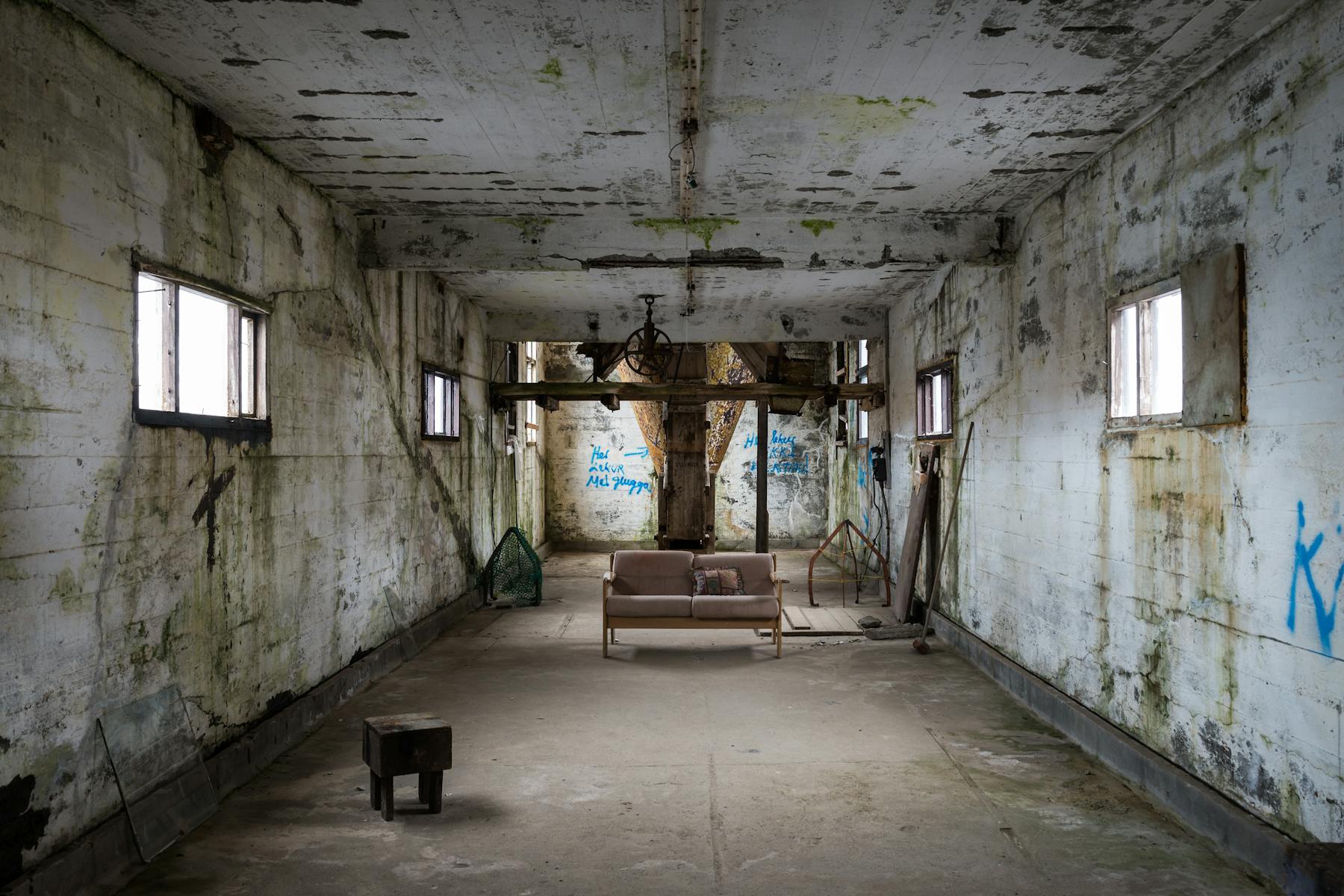
Construction mold can turn your dream home into a health nightmare, causing respiratory issues and costly structural damage that drains your savings and peace of mind. Whether you’re a homeowner dealing with moisture problems in new construction or a property manager trying to prevent mold growth, this article reveals the warning signs and solutions that protect your investment and your family’s well-being.
Construction Mold: Causes, Solutions, and Prevention
Poor construction practices, such as improperly sealed windows, inadequate ventilation, and gaps in plumbing, frequently lead to moisture accumulation. Even newly constructed, energy-efficient properties become breeding grounds when tight sealing traps humidity. When combined with San Diego’s coastal climate, there’s a higher risk of mold growth.
Don’t let visible mold growth compromise newly constructed homes. Rarefied Air Environmental’s expert team identifies hidden moisture sources and eliminates mold at its root, giving you the safe living space you deserve. Contact us today for a comprehensive inspection that addresses health issues before they start, protecting both your property value and your family’s future.
| Key Factor | What You Need to Know |
| Prevention | Use mold-resistant materials during construction and install proper ventilation |
| Detection | Conduct regular inspections of basements, attics, and plumbing areas to catch issues early before mold spores spread |
| Moisture control | Install exhaust fans in kitchens and bathrooms; maintain humidity below 60% |
| Action steps | Take proactive measures like fixing leaks immediately, guaranteeing adequate drying time for materials, and scheduling professional assessments |
Reasons Why New Homes Are Not Immune to Mold
Modern construction doesn’t guarantee immunity from mold. Mold is often thought to plague only older, poorly maintained homes, although even brand-new, energy-efficient properties are at risk.
Newer homes are often more susceptible due to overlooked construction-related issues during rushed builds. Common causes include:
1. Trapped Moisture in Building Materials
Excess moisture can be trapped within various building components, fostering mold problems over time, even in new construction. This creates damp environments within walls and ceilings.
- Wood, drywall, and insulation materials are often exposed to rain and humidity during house construction.
- Porous materials can absorb moisture due to poor storage or installation practices before being enclosed.
- Water intrusion from temporary leaks in roofs or walls can worsen and become hidden in floorboards.
A thorough inspection before enclosing walls and proactive monitoring for moisture can easily solve this.
2. Improper Drying and Ventilation
Drying time of construction materials and poor ventilation systems can lead to severe mold proliferation. When materials are enclosed too soon, moisture is trapped, creating ideal conditions for mold growth.
- Drywall and framing that gets wet during construction are often not given adequate drying time.
- Ventilation systems and the HVAC system may be improperly sealed or not fully functional before occupancy.
- Construction materials can remain enclosed and damp, fostering mold growth in walls and ceilings.
Setting proper drying time and functional ventilation before sealing up the structure can prevent such issues.
3. Construction Dust and Debris
Sawdust and drywall particles are nutrient sources that are highly conducive to mold growth when they get wet. If not properly cleaned, this debris dramatically increases mold problems.
- Sawdust and drywall particles left behind provide organic material that fosters mold.
- Debris can settle in wall cavities, attracting and holding excess moisture from the air.
- Wet debris from rainy walls or spills can create localized, unnoticed humid environments.
Mandating a thorough clean-up of sawdust and drywall particles before enclosing the walls is the best way to avoid this problem.
4. Unnoticed Defects
Small leaks from improperly sealed windows, poor grading around the foundation, or minor plumbing issues create moisture intrusion. These oversights are often missed in the final inspection and foster mold growth, which can worsen over time.
- Leaks around improperly sealed windows and doors allow repeated water intrusion during storms.
- A foundation crack or poor grading can lead to minor seepage into the basement or crawl space.
- Water stains that appear in the attic or basement indicate persistent, unaddressed moisture.
Implementing a multi-stage inspection process, including a thorough pre-drywall check, can mitigate this problem.
5. Geographical Location
San Diego’s coastal climate creates unique challenges for mold prevention. Local factors like high humidity, marine layers, and periodic heavy rains exacerbate the risks of mold in home interiors. Key vulnerabilities include:
- Coastal humidity increases moisture exposure and salt-air intrusion.
- Rainwater intrusion and small leaks worsen during rainy seasons.
- Condensation from marine layers creates unnoticed moisture in walls and ceilings.
Work with professionals with local expertise who understand San Diego’s climate and its impact on home construction to protect your property from mold.
6. Energy-Efficient Trap
Energy-efficient homes aim to lower utility costs, yet can inadvertently trap moisture, leading to mold issues in home interiors. Without proper moisture management and well-ventilated spaces, these humid environments become unavoidable.
- A tightly sealed structure prevents air exchange, allowing moisture to remain trapped inside.
- High indoor humidity condenses on cool surfaces, creating hidden moisture-prone areas.
- The tight envelope design can foster mold if the HVAC system isn’t properly balanced to manage humidity.
Properly balancing the HVAC system and installing a whole-house dehumidifier are among the best practices for constructing new homes.
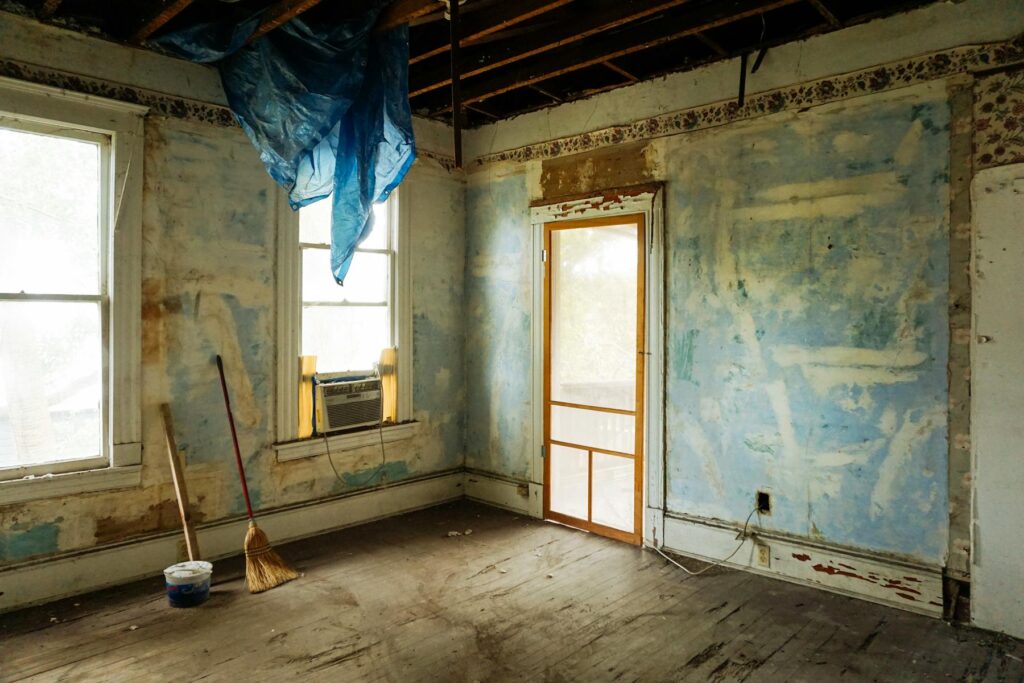
Scenarios Where Mold Testing Is Necessary
Mold in home environments is a serious concern, especially when caused by construction. Learn when mold testing is important to guarantee the safe occupancy of a building and prevent future health or structural issues.
- Before closing the sale: Mold evaluations are necessary before the sale is finalized to uncover hidden mold and assess if the structure is safe and sound for the new owner.
- Construction delays: Weather-related delays, such as heavy rain or snow, can prolong moisture exposure during construction, increasing the risk of visible mold growth.
- After noticing persistent odors: A continuous musty or earthy smell can signal hidden mold and warrants testing to pinpoint the source and extent of the moisture buildup.
- Following cleaning or debris removal: After removing dust and debris or performing remediation, testing should confirm that mold spores are gone and the space is safe, even with regular inspections.
Whether you’re buying a new property or suspecting construction defects, early detection can save you thousands in repairs. Invest in post-construction quality checks and schedule regular mold inspections with experts like Rarefied Air Environmental.
Ways to Locate and Confirm Mold During Construction
Mold can start to grow on a damp surface within 24 to 48 hours. Undetected mold can lead to significant structural damage and potential health issues for occupants. These are the ways to identify and confirm the presence of mold.
Perform regular inspections focusing on moisture-prone areas, like basements, attics, and around plumbing. Look for visible signs of mold or water damage. Although this can detect widespread issues, microscopic mold spores may still be present even without clear surface growth.
A professional assessment uses specialized tools to accurately measure and test for mold spores, even in hidden locations. Our assessment provides a comprehensive report on the type and extent of mold development. This detailed analysis identifies the root cause of the moisture intrusion that enables mold growth.
Mold Prevention Tips for Newly Constructed Homes
Unseen moisture can lead to costly structural damage and potential health problems later on. Here are preventative measures that builders and new homeowners can implement to achieve a healthy, mold-free living space from day one.
1. Start With a Solid Foundation and Select Mold-Resistant Materials
Choosing the right initial materials and implementing proper site drainage significantly reduces the chance of future mold outbreaks.
- Slope permeable surfaces away from the house at least 0.5 inch per foot for 10 feet to direct storm water runoff away from the foundation.
- Use water-resistant materials and durable concrete or masonry blocks to resist water penetration and mold growth.
- Apply specially-formulated paints or finishes containing mold inhibitors to surfaces, preventing mold from easily finding material to feed on.
2. Promote Proper Ventilation and Prevent High Humidity
Maintaining sufficient air exchange and controlling humidity levels prevents the condensation buildup that allows mold to thrive in your living space.
- Install high-quality exhaust fans in high-moisture areas, such as bathrooms and kitchens, to effectively vent damp air outdoors.
- Install vents and insulation correctly in the attic and basement areas to keep air circulating freely.
- Maintain low indoor humiditybelow 60% relative humidity (RH), ideally 30-50%, to actively discourage moisture accumulation.
3. Address Moisture Issues Immediately
Swiftly addressing any water intrusion, from leaks to pooling water, is the fastest way to reduce the risk of fungal development.
- Fix any visible or suspected leaks in the roof, windows, or pipes instantly to prevent saturation of construction materials.
- Inspect gutters and downspouts regularly to ensure proper drainage and prevent pooling water near foundation walls.
- Find and fix building defects early that cause condensation buildup or harbor hidden moisture, and apply a construction mold killer if necessary.
4. Use a Dehumidifier and Control Moisture Levels
Active moisture and air quality control is vital for managing airborne moisture, capturing microscopic mold spores, and preventing future contamination.
- Run a dehumidifier in the basement and other high-moisture areas to actively control interior humidity levels.
- Utilize air purifiers to capture construction dust and any microscopic mold spores lingering in the air.
- Regularly service the heating and cooling system, cleaning filters and ducts to promote clean air circulation throughout the home.
5. Schedule Routine Inspections
To safeguard your home, scheduling a professional mold inspection is the most reliable way to detect moisture issues and hidden moisture long before they escalate into major problems.
- Contact a professional mold testing service to conduct detailed, non-invasive assessments and locate building defects early.
- Utilize professional equipment, moisture meters, thermal imaging, and other technologies to locate hidden moisture sources and prevent costly remediation through proactive measures.
- Hire certified specialists for air quality testing and surface sampling to confirm that your mold growth prevention strategies are working.
Related Questions
What Is Construction Mold?
Construction mold refers to the fungal growth that often develops within materials due to pervasive moisture problems originating from leaks, humidity, or condensation. The earliest signs of mold formation often include discolored spots or persistent water stains on the wall or ceiling.
Is Mold an OSHA Violation?
The presence of mold in a private residence is generally not an Occupational Safety and Health Administration (OSHA) violation. Meanwhile, persistent mold problems caused by structural or persistent moisture issues at a worksite or rental property can trigger OSHA or similar state/local rules. Employers and landlords must maintain a safe environment free from recognized hazards, like significant mold contamination.
Why Can’t Building Codes Alone Prevent Mold?
Building codes provide minimum standards for safety, but they don’t necessarily account for regional climate conditions or detailed quality control during house construction. Common shortcomings include basic ventilation standards, gaps in insulation, and subpar waterproofing.
What Are the Common Mold Types in New Construction Homes?
Common mold spores found in new construction homes often include Aspergillus and Penicillium, which thrive on damp construction materials. Other types, such as Stachybotrys chartarum (black mold), can appear in areas with persistent leaks, especially in concealed spaces like crawl spaces and wall cavities. For a safe, mold-free home, invest in quality inspections during construction and pay attention to post-build maintenance.
How to Get Rid of Construction Mold?
To effectively get rid of established mold growth, professional mold remediation should be used to remove compromised materials. Follow targeted preventative measures to fix the underlying moisture source. Consistent adherence to proper practices, such as providing adequate ventilation and promptly repairing leaks, is key to preventing recurrence.
Conclusion
Construction defects, such as poorly sealed windows, inadequate ventilation, or improper waterproofing, can lead to moisture buildup, creating a perfect environment for mold in home spaces. Knowing where asbestos lurks in your home protects your family’s health in newly constructed homes. Schedule your mold inspection now to protect your home and your family from health risks and expensive repairs.