
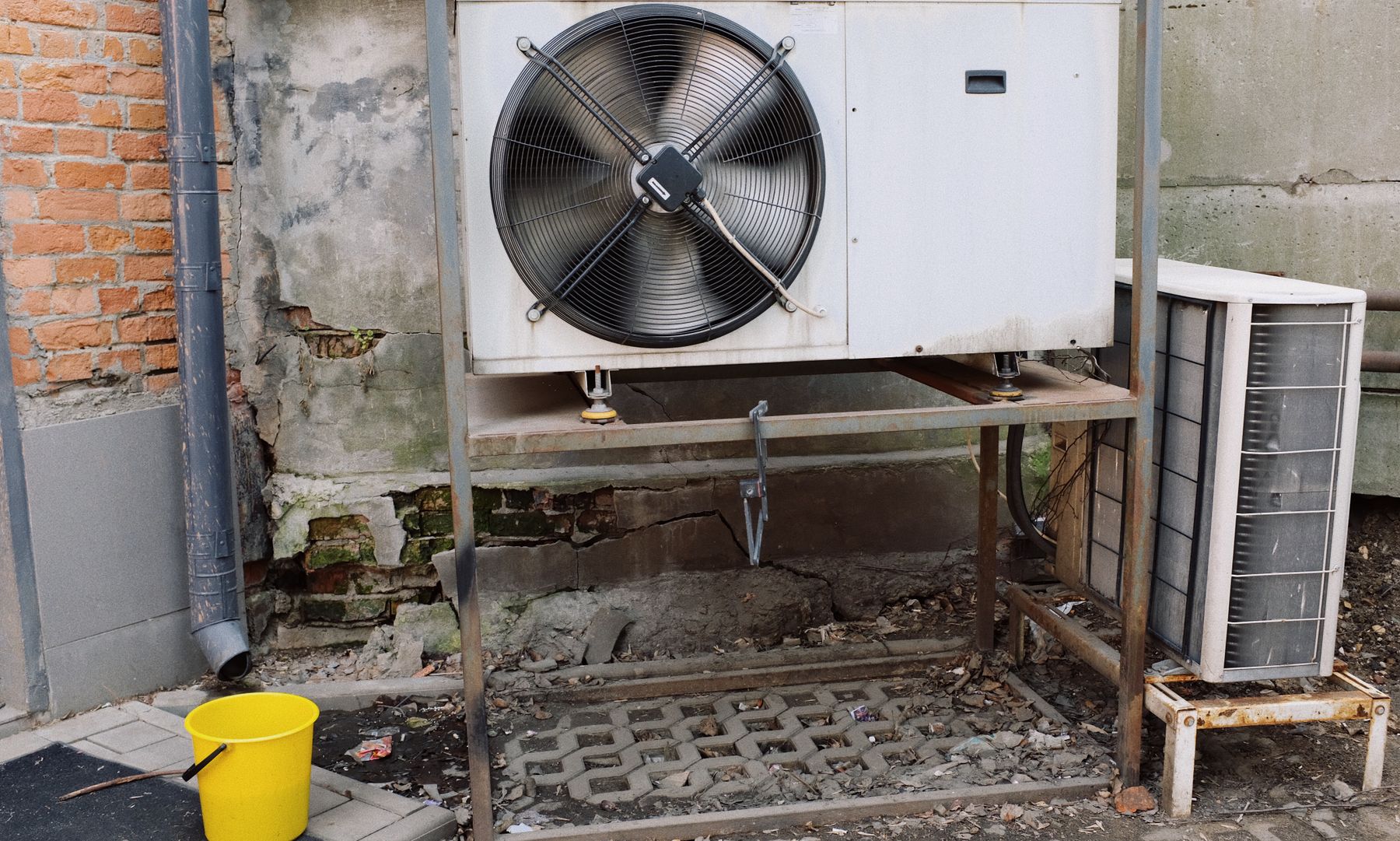
A musty odor in a just-bought home is a red flag, not a reason to panic. A musty smell often points to excess moisture or possible mold, but the odor alone cannot tell you exactly what is causing it. Before you move in, trace the source and check for hidden moisture or water-damaged materials.
The key is speed. Dry out wet areas, ventilate, and find the source before you move in. That protects your health, your belongings, and your renovation budget.
Below are practical checks, what to fix yourself, when to call pros, and one simple rule that solves most musty houses: control moisture.
TL;DR
- A musty smell often points to excess moisture or possible mold. Find and correct the moisture source before cleaning or replacing affected materials.
- Start with basics. Ventilate, run a dehumidifier, and check drains, crawlspaces, and HVAC.
- If the odor persists without visible mold, a targeted mold assessment can help determine whether hidden moisture or contamination is present.
- Air purifiers can help with particles, but they will not fix mold or moisture. Avoid ozone devices.
Why Homes Smell Musty After Purchase
A musty or earthy odor often signals dampness and mold. Mold grows on wet materials and often follows roof, plumbing, or foundation leaks. It also thrives in basements, crawlspaces, and in HVAC systems with wet coils or pans.
Damp buildings and mold exposure can cause symptoms such as nasal irritation, coughing, or wheezing, especially in people with allergies or asthma.
Quick Safety Checks on Day One
Before you remove flooring, open walls, or disturb old finishes, check whether those materials could contain asbestos or lead. This is especially important in older San Diego County homes where exploratory work could disturb previously intact materials.
If you suspect materials need evaluation, we can test them before demolition begins. Our team commonly encounters asbestos-containing materials in homes built through the mid-1980s, while lead-based paint is primarily a concern in homes built before 1978.
- Ventilate: Open windows on opposite sides and use a box fan in a window to exhaust air outside.
- Check for sewer gas: If a sulfur-like odor is clearly coming from an unused drain, refill the P-trap with water. If the smell is strong, widespread, or near a gas appliance, leave the property and have a possible gas leak ruled out before investigating plumbing.
- Power and water: Turn off any leaking fixtures. Place buckets under active drips.
If investigating the smell will require disturbing older flooring, mastics, drywall, ceilings, or painted surfaces, our environmental testing specialists can evaluate suspect materials for asbestos or lead before demolition begins.
Track the Source Room By Room
Walk through the home room by room and note where the odor is strongest. Look for visible leaks, staining, damp materials, condensation, or other clues before deciding whether you need a plumber, HVAC technician, or environmental assessment.
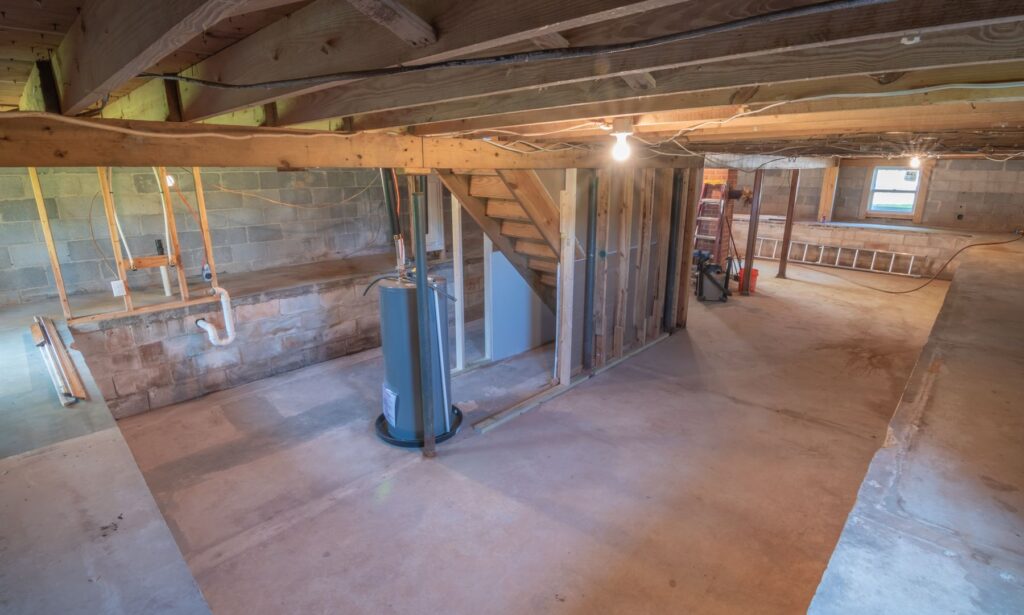
Basement and Crawlspace
Look for damp walls, efflorescence (white salts), peeling paint, and wet joists. If your crawlspace has exposed soil, a properly installed ground vapor retarder can reduce moisture entering from below.
Correct leaks and drainage problems first, then determine whether ventilation, sealing, or dehumidification is appropriate for the crawlspace. Make sure gutters, grading, and downspouts send water away from the foundation.
Bathrooms, Kitchen, and Laundry
Run exhaust fans that vent outside, not into the attic. Reseal or replace cracked caulk around tubs and sinks. Fix slow leaks at traps and supply lines. Wash or replace shower curtains and any water-damaged baseboards.
Flooring, Walls, and Soft Furnishings
If carpet or padding remains damp or moldy, you may need to remove it. Before pulling it up, stop and consider whether the flooring or adhesive underneath could contain asbestos or whether painted surfaces you will disturb could contain lead. Clean hard surfaces with detergent and water, then allow them to dry fully.
When those materials are suspect, we can test flooring, mastics, and other building materials for asbestos and evaluate painted surfaces for lead before removal begins.
HVAC and Ductwork
Change filters immediately. Inspect the air handler, including the coils, drain pan, and condensate line, to ensure it is clean and draining.
If fiberglass duct liner is wet or visibly moldy, have an HVAC professional evaluate whether the affected material needs to be replaced rather than simply cleaned. Routine whole-home duct cleaning isn’t recommended unless you see visible contamination, pests, or heavy debris.
Plumbing and Sewer Odors
Check every sink, tub, shower, floor drain, and furnace-room drain. Each should have water in its P-trap. Fill dry traps with water and add a tablespoon of mineral oil to slow evaporation in rarely used drains. If odors persist, a plumber can smoke-test for leaks or failed vents.
When to Test and When to Skip
Not every musty smell requires laboratory testing, but testing can be useful when you cannot see the source, need to disturb older materials, or need documented findings before repairs.
- Routine mold air sampling isn’t necessary for every visible mold problem. A professional mold assessment can be useful when the odor persists without visible growth, hidden moisture is suspected, or the extent of contamination is unclear. Spend your budget on locating and fixing moisture.
If you still cannot locate the source or determine how far a moisture problem extends, we can evaluate the area and use targeted air or surface sampling when the results would help answer a specific question.

Solutions for Common Home Hazards
Use the table below to identify what you can safely check first and when a qualified professional should handle the next step.
| Likely Source | Clues To Confirm | First Fix To Try | Who To Call If It Persists |
| Damp basement or crawlspace | Musty air, damp walls, exposed soil | Dehumidifier to 50% RH; seal ground with 6+ mil poly; improve gutters and grading | Waterproofing contractor or building scientist |
| Wet or moldy carpet/pad | Spots, odors after cleaning, prior leaks | Stop the moisture source; before removing older flooring, check whether underlying materials may need asbestos or lead evaluation | Flooring contractor; water-damage pro |
| HVAC moisture problems | Full condensate pan, slimy drain, mold near coil | Replace the filter and check for standing water or an obvious drain backup; leave coil, pan, and drain servicing to an HVAC technician | Licensed HVAC technician |
| Sewer gas from dry traps | Odor near floor drains or unused baths | Fill traps with water; add a bit of mineral oil | Plumber to check traps/vents, smoke test |
| Hidden wall or ceiling leak | Stains, soft drywall, peeling paint | Stop the leak, but don’t open older walls or ceilings until you know whether you may disturb suspect asbestos- or lead-containing materials. | Hire a plumber or roofer for the leak; hire an environmental consultant before disturbing suspect asbestos, lead, or mold-affected materials. |
If you know where the moisture is coming from but are unsure which materials can be safely disturbed, Rarefied Air Environmental can evaluate suspect asbestos or lead materials before repairs begin. If hidden mold is the concern, the team can also assess moisture conditions and determine whether targeted sampling would be useful.
Our San Diego laboratory has been operating since 2022, allowing our team to support testing as part of the investigation process.
Deodorizers vs Real Fixes
HEPA air cleaners can reduce airborne particles, including some mold spores, but HEPA filtration alone isn’t designed to remove most odors. Air cleaning also cannot correct the leak, condensation, or damp material causing the smell.
Moisture control and cleaning are what solve the problem. Skip ozone or ionizing devices. They can create lung irritants and don’t reliably remove mold or odors at safe levels. If you add UV lamps in HVAC equipment, know that typical home units have limited effect and don’t replace cleaning and drainage.
Insurance and Disclosure Notes
Standard homeowners policies often exclude long-term mold or maintenance issues. Mold cleanup may be covered when it directly results from a covered sudden event, like a burst pipe.
Check your policy. Most policies provide additional living expense coverage during repairs, subject to limits. Disclosure rules differ by state, but sellers generally must disclose known water damage. If you uncover recent, undisclosed damage, document it.
Examples
The examples below show how different moisture problems can produce similar musty odors.
Musty Split-Level With a Damp Crawlspace
A family bought a 1970s split-level that smelled earthy on the lower floor. They sealed the crawlspace soil with taped 6‑mil poly, extended downspouts 10 feet, and ran a 50‑pint dehumidifier to 50 percent.
Odor faded in two days and disappeared within a week. A plumber later capped an abandoned floor drain that kept drying out.
AC Pan Overflow Causing Closet Odor
A condo had a persistent musty smell in a hall closet near the air handler. The drain pan was full, and the condensate line was clogged with slime.
An HVAC tech cleared the line, cleaned the coil and pan, and replaced a moldy section of duct liner. With a new MERV‑11 filter and the fan set to Auto, the odor was gone in 48 hours.
Actionable Steps / Checklist
A straightforward checklist turns overwhelming property maintenance tasks into manageable, everyday victories.
- Ventilate: Set a box fan in a window blowing out; crack a window across the room.
- Set humidity targets: Run a dehumidifier to hold indoor RH below 60 percent, ideally 30 to 50 percent.
- Hunt moisture: Inspect roof, attic, plumbing, basements, crawlspaces, and around windows for leaks or stains.
- Fix water fast: Dry wet materials within 24 to 48 hours or remove them.
- Check the HVAC: Replace the filter and look for standing water or an obvious condensate backup. Have an HVAC technician service the coil, pan, or drain if needed.
- Refill traps: Pour water into every drain, especially floor drains and unused baths. Add a little mineral oil for long-term seals.
- Remove mold on hard surfaces: For small mold areas on hard surfaces, clean with detergent and water and dry the surface completely. Bleach isn’t routinely necessary for mold cleanup and should never be mixed with other cleaners.
- Pause before demolition: If repairs require disturbing older flooring, ceilings, walls, mastics, or painted materials, have suspect materials evaluated for asbestos or lead when appropriate, before removal begins.
- Remove unsalvageable materials: Discard moldy carpet, pads, and ceiling tiles that cannot be fully dried.
- Reassess: If odor remains after drying and cleaning, call an HVAC tech, plumber, or moisture specialist to investigate hidden sources.
Glossary
Clear terminology removes the confusion around complex environmental standards and technical industry jargon.
- Relative Humidity (RH): The amount of moisture in air compared to the maximum it can hold at that temperature.
- P-Trap: A U-shaped pipe under drains that holds water to block sewer gases.
- Vapor Barrier: Plastic sheeting or membrane used to block ground moisture from entering a space.
- Condensate Line: The drain line that carries water away from an air conditioner’s coil and pan.
- HEPA Filter: High-efficiency filter that captures fine airborne particles; helps air quality but doesn’t fix moisture.
- Efflorescence: White, powdery mineral salts left on masonry by evaporating water.
FAQ
Q: Is a musty smell dangerous?
A: A musty smell signals dampness and likely mold. Some people have symptoms like a stuffy nose or wheezing. Treat it as a problem to fix quickly.
Q: Will opening windows solve it?
A: Ventilation helps, but it will not cure odors if materials are wet. You must dry the space and stop the moisture.
Q: Should I clean the ducts?
A: Only if there is visible mold, pests, or heavy debris. Replace wet or moldy fiberglass duct liner. Otherwise, focus on the coil, pan, and filters.
Q: Do I need a mold inspector?
A: Not for every small, visible mold problem. If you cannot find the source, suspect moisture behind finished materials, or need to determine how far a problem extends, a professional mold assessment becomes more useful.
Q: How long will it take for the smell to fade?
A: There’s no set timeline before the musty smell fades. The smell may improve once you correct the moisture source and the affected materials dry, but a persistent odor can mean damp or contaminated material remains.
Final Thoughts
Treat a persistent musty odor as a reason to find the moisture source before you move in. Fix leaks, dry affected areas, and avoid disturbing questionable older materials until you know what they contain.
For San Diego County buyers who uncover suspect flooring, mastics, painted surfaces, or hidden moisture, Rarefied Air Environmental can help determine whether asbestos, lead, or mold needs addressing before repairs begin.