
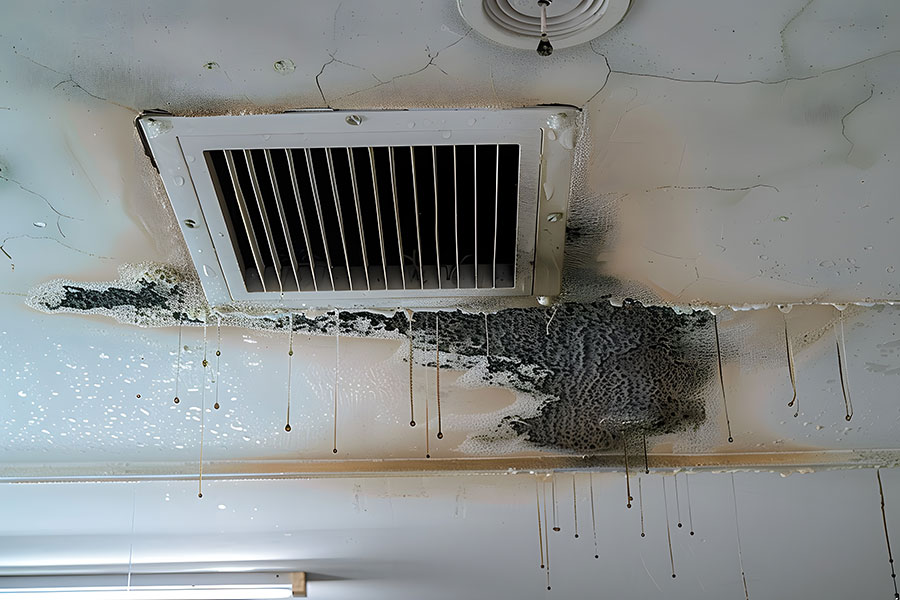
When you ignore the hidden growth inside your HVAC system, you might suffer from health issues and costly AC unit repairs. Whether you’re a homeowner, renter, or a landlord, this guide teaches you how to check your HVAC for mold so you can protect your health and stop mold problems before they spread through the air vents.
How to Check HVAC for Mold
To identify potential mold in your HVAC system, look for warning signs, like a persistent musty smell emanating from vents, visible dark spots around the coils, and worsening allergy symptoms whenever your unit operates. These indicators point to moisture accumulation from condensation or leaks, which creates the perfect breeding ground for mold that may appear as dark dust or unusual discoloration.
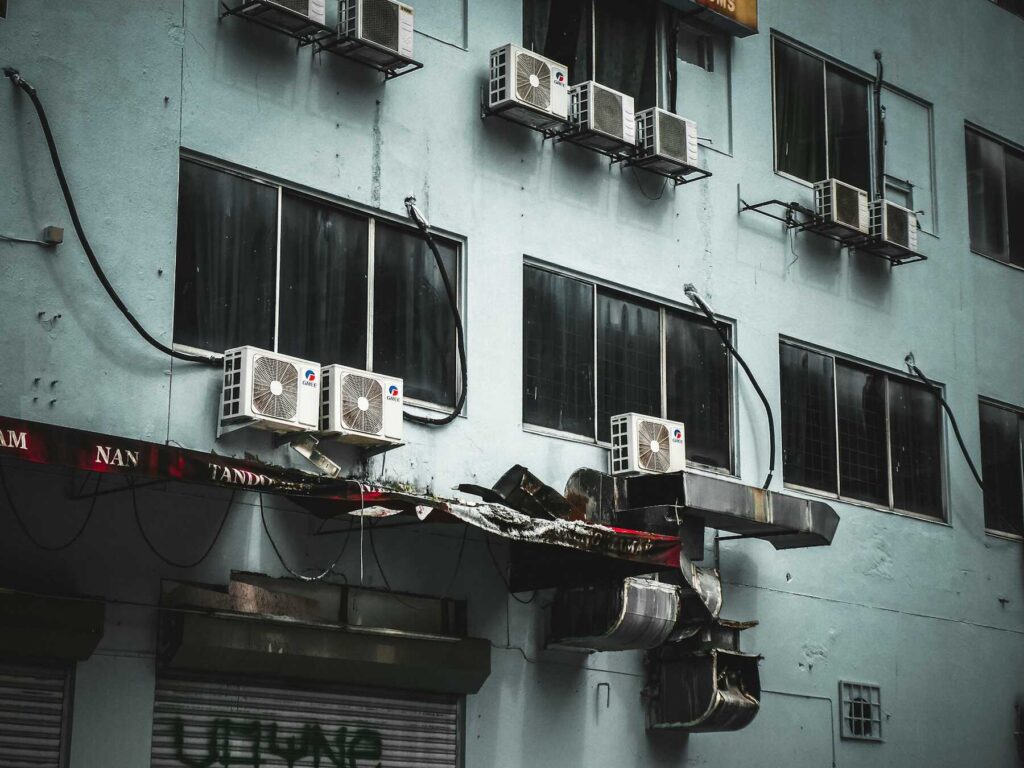
A professional environmental testing company can provide a thorough inspection of your HVAC control system and home to identify hidden moisture sources and potential mold growth areas. They have the expertise and equipment to detect leaks that might not be visible and to assess areas prone to dampness.
| Indicators and Causes | Action Steps to Clean and Protect the HVAC |
| Visible mold or dark spots on air registers and coils. | Inspect internal components like the evaporator coil and drain pan. |
| Persistent musty smell or earthy odors from vents. | Replace filters frequently to prevent spores from entering the system. |
| Condensation and standing water in drain pans. | Clear clogged drain lines to eliminate excess moisture and humidity. |
| Poor ventilation and restricted airflow in ducts. | Keep the vents unobstructed to maintain a dry AC unit. |
What Causes Mold in HVAC Systems
Mold spores are microscopic and can enter HVAC systems through various means. Once inside, they find ideal conditions for growth, especially in systems with moisture issues. Regular maintenance and inspections can prevent mold from proliferating and causing significant problems.
1. Humidity
High levels of moisture in the environment create an invisible breeding ground that allows mold spores to colonize various internal parts.
- High humidity levels exceeding 60% provide the ideal atmosphere for hidden mold growth to thrive.
- Indoor air becomes heavy with water vapor, which eventually settles on porous surfaces within the HVAC system.
- Excess dampness trapped in the insulation of your unit provides a steady supply of nutrients for mold growth.
- In older models, the lack of sophisticated humidity sensors often results in excess dampness throughout the home.
2. Condensation
When warm air meets cold surfaces within the HVAC, the resulting liquid can collect and stagnate if the drainage system fails.
- Clogged drain pans are notorious for collecting standing water, which serves as a primary incubator for spores.
- Droplets forming on the metal housing can lead to an unclean environment that attracts dirt and organic matter.
- Persistent liquid buildup often goes unnoticed, fueling spores that eventually travel through the registers.
- Significant temperature differentials inside the HVAC cause consistent sweating on coils and pipes.
3. Improper Ventilation
Poor ventilation prevents the necessary exchange of fresh air, trapping pollutants and stagnant pockets of wetness inside your ductwork.
- Blockages in the return vents restrict airflow, causing pockets of “dead air” where fungi can flourish.
- When the ventilation is obstructed, the system cannot effectively dry out internal surfaces after a cooling cycle.
- Mold can begin growing within 24-48 hours in moisture-rich environments where air movement is completely restricted.
- Mechanical failures in the exhaust system lead to the unintended recirculation of indoor contaminants rather than their expulsion.
What Are the Clear Signs of Mold in Your HVAC?
Early detection is the most effective defense against the health and structural risks associated with a contaminated HVAC system. Understanding how to identify visible mold around your HVAC unit allows you to take immediate action. You can also schedule professional mold inspections before the issue spreads deeper into the internal components.
1. Musty Odors
One of the most telltale signs of mold in your HVAC is a persistent musty odor. Mold produces a distinctive smell that is often described as damp or earthy, similar to the scent of wet socks or a damp basement. This odor is caused by microbial volatile organic compounds (MVOCs) released by mold as it grows and metabolizes.
Prolonged exposure to mold spores and MVOCs can cause a range of health issues, including respiratory problems, allergic reactions, and headaches. Start by checking accessible areas such as air vents and air filters for visible signs of mold. If you cannot locate the source, it may be time to call a professional for a thorough mold inspection.
2. Visible Mold Growth
Common areas to check for visible mold include air vents, filters, ducts, and drip pans. Mold can appear in various colors, such as black, green, or white, and may have a fuzzy or slimy texture. These growths are often found in damp, dark sections of the system where moisture accumulates.
If you detect mold in these areas, take action promptly. Mold spores can easily become airborne and spread throughout your home via the HVAC system, leading to widespread contamination. This degrades indoor air quality and poses significant health risks, including respiratory problems and allergic reactions.
3. Increased Allergy Symptoms
Mold spores can significantly exacerbate allergy symptoms, leading to increased discomfort for those affected. Common symptoms of mold-related allergies include sneezing, coughing, itchy eyes, and a runny nose. If these symptoms worsen when the HVAC system is running, it’s a strong indication that mold may be present and circulating through the air.
Spores are tiny and can easily become airborne, infiltrating the air you breathe. When the HVAC system operates, it can distribute these spores throughout your home. This can worsen allergy symptoms, potentially leading to more severe health issues, such as asthma attacks and chronic respiratory problems.
4. Unexplained Respiratory Issues
Exposure to mold spores can have serious respiratory effects. Individuals may experience frequent coughing, wheezing, and shortness of breath. If issues are persistent and seem to correlate with HVAC usage, mold in the air conditioning system is a likely culprit.
Recurrent unexplained illnesses among household members can be a sign of mold exposure. Mold releases mycotoxins that can cause various health problems, including headaches, fatigue, and dizziness. If multiple occupants are experiencing similar symptoms without a clear cause, mold should be considered as a potential factor.
5. Visible Condensation
Excessive condensation on ducts or vents is another clear indicator of mold growth. Mold thrives in moist environments, and the presence of condensation can create the perfect conditions for it to develop. When warm, humid air passes over the cool surfaces of your HVAC system, it can lead to the formation of water droplets.
When these droplets accumulate and are not properly managed, they can provide a breeding ground for mold. Visible condensation often appears as water droplets or wet spots, vents, or other HVAC parts. This moisture can seep into insulation, ductwork, and other materials, fostering mold growth on the surface and in hard-to-reach areas.
6. Discoloration and Strange Noises
Discoloration around air vents and returns is a visual cue that mold may be present. This discoloration can appear as dark stains or patches and is often accompanied by a musty odor. If you notice these signs, address the issue promptly to prevent mold from spreading further into your HVAC system and home.
Meanwhile, unusual noises coming from your HVAC system can indicate various issues, including mold growth. Sounds such as banging, rattling, or scraping can result from mold or moisture-related problems within the system. Investigating these noises and addressing any underlying issues can help prevent mold from proliferating.
7. Water Damage in HVAC Areas
Water leaks and damage around HVAC units are prime conditions for mold growth. Inspecting areas around your HVAC system for signs of water damage, such as stains, rust, or pooled water, is necessary. Addressing leaks and repairing water-damaged areas can help prevent mold from taking hold.
Moisture accumulation on the evaporator coil often serves as the invisible catalyst for growth before it even reaches the air handler or structural flooring. It is vital to check if the circulating fan is inadvertently spreading this localized dampness throughout the entire system. This can turn a small leak into a widespread hazard.
8. Poor Airflow
Mold can obstruct airflow within your HVAC system, reducing its efficiency and effectiveness. Signs of decreased airflow include weak air circulation from vents and uneven cooling or heating throughout your home. These issues can lead to increased energy costs and uncomfortable living conditions.
When you notice weak airflow or temperature inconsistencies, have your HVAC system inspected for mold and other potential obstructions. Mold can grow inside filters and other parts, blocking the normal flow of air and causing the system to work harder than necessary.
How Does Mold in the HVAC Affect Health?
Mold spores colonize your HVAC system. They transform what should be a clean air delivery mechanism into a distribution network for biological contaminants that penetrate every room of your home.
An unclean HVAC doesn’t just circulate poor air quality; it also contributes to poor air quality. It actively degrades indoor air by releasing allergens and toxins that trigger immune system responses in susceptible individuals. Health risks associated with mold problems in your system include:
- Severe allergic reactions, ranging from mild nasal congestion to life-threatening anaphylaxis in sensitive individuals exposed to black mold.
- Chronic sinusitis and infections are caused by continuous duct contamination that prevents the airways from fully healing.
- Asthma development and exacerbation, with research indicating 21% of asthma cases may be attributable to mold exposure in buildings.
- Skin irritation, such as eczema flare-ups and contact dermatitis, occurs when spores settle on exposed body surfaces.
- Neurological symptoms, including brain fog, memory problems, and difficulty concentrating, from mycotoxin exposure through indoor air.
- Compromised immune system function that leaves children and elderly residents more vulnerable to other illnesses from mold infestation in the air circulation system.
When dealing with mold-related HVAC issues, professional inspection and remediation are highly recommended.
What Are the Best Mold Prevention Strategies?
Understanding effective mold prevention strategies can help you maintain healthy indoor air quality and protect your HVAC system from costly damage caused by mold and mildew. Proactive measures can address current humidity issues and safeguard against future mold growth. This keeps your unit operating efficiently while circulating fresh air throughout your home.
1. Schedule Regular HVAC Maintenance
Routine maintenance is the first defense for preventing mold growth. Regular inspections and cleaning of coils, filters, and ducts can help identify and address mold issues early. Keeping the HVAC system free from debris can also reduce the risk of mold development.
2. Use Dehumidifiers
Maintaining optimal indoor humidity levels is another way to prevent mold growth. Mold thrives in humid environments, so using dehumidifiers and ensuring proper ventilation can help control moisture levels. Aim to keep indoor humidity levels between 30% and 50% to minimize the risk of mold growth.
3. Address Leaks and Moisture
Water leaks and excessive moisture are primary contributors to mold growth in HVAC systems. If you detect any leaks or signs of moisture, it is vital to address them promptly. Mold thrives in damp environments, and unchecked moisture can quickly lead to its development and spread.
4. Replace Air Filters Frequently
Changing your air filter every 1-3 months is one of the simplest yet most effective ways to prevent mold growth in your HVAC system. Clean filters improve airflow through air registers. This also prevents moisture buildup that creates ideal conditions for mold spores to colonize affected areas of your air handler.
5. Install UV Lights in the HVAC System
UV lights can help reduce microbial growth on coils and nearby surfaces before it spreads through your air ducts and compromises indoor air quality. This technology provides continuous protection against mildew growth in dark, moist areas where you might otherwise suspect mold is developing undetected.
6. Use an HVAC Mold Inhibitor
Applying mold inhibitors to vulnerable components of your air conditioner helps create a protective barrier that prevents mold from taking hold in the system. These treatments are particularly effective when used during professional duct cleaning or after air sampling reveals mold concerns.
7. Provide Proper Drainage
To prevent mold growth, provide proper drainage to stop water from accumulating in drain pans and around insulation. This eliminates the moisture source that mold needs to thrive in the furnace and air conditioning. Regular inspections to verify that condensate lines are clear will help you avoid humidity issues that can lead to mold growth in your HVAC system.
8. Invest in Professional Duct Cleaning
Having your system inspected and cleaned by professionals removes accumulated debris, mold, and moisture that maintenance cannot reach. Schedule duct cleaning every 3 to 5 years to make sure that the entire HVAC system remains clean and supports mold prevention efforts throughout the unit.
What Should I Do if There’s Mold in the HVAC System?
Finding mold in your HVAC system can be a daunting discovery. The good thing is that you can take the right steps immediately to improve your home’s air quality. Here’s the proper protocol to address the root cause and prevent mold spores from circulating throughout your home.
1. Schedule Professional Mold Inspection and Remediation
Hiring certified HVAC professionals to evaluate the contamination is the only way to determine its full extent. Trained professionals can thoroughly inspect your system, identify mold growth, and provide effective mold remediation solutions.
- Schedule a comprehensive assessment to locate hidden mold problems within the unit.
- Verify that the technician uses specialized protective gear and diagnostic right tools.
- Request a written report detailing the species of mold and the spread within the system.
- Confirm the expert specializes in both air conditioner parts and ductwork.
2. Remove Mold from the HVAC System
Attempting to clean the system yourself can inadvertently spread mildew and toxins into your living spaces. Addressing mold issues promptly can help you maintain a healthy indoor environment. This requires comprehensive system cleaning and disinfection by experts.
- Make sure the contractor uses EPA-approved mold inhibitors to prevent future regrowth.
- Ensure contaminated materials are disposed of properly in accordance with local safety regulations.
- Focus on deep-cleaning the evaporator coil, where moisture frequently accumulates.
- Avoid DIY methods, as professionals have the equipment to contain spores during the process.
3. Monitor Indoor Humidity Levels
Maintaining a specific moisture balance is your primary defense against the mold formation that occurs in damp environments. Regular maintenance, controlling humidity levels, and promptly addressing leaks are key strategies for keeping your HVAC system mold-free.
- Use a hygrometer to maintain 35%-50% indoor humidity levels.
- Utilize exhaust fans during showers, baths, and saunas to vent moisture outside.
- Check for standing water in the drain pan to keep the HVAC draining.
- Address any plumbing leaks near the HVAC immediately to foster a healthier environment.
4. Promote Continuous Airflow
Stagnant air is a breeding ground for moisture, so keeping air moving is important for a properly maintained home. By being vigilant for signs of mold, such as musty odors, visible growth, increased allergy symptoms, and poor airflow, you can take proactive steps to prevent mold issues.
- Keep the fan on the auto function or “on” position to guarantee a steady flow of air.
- Invest in a smart thermostat to maintain air circulation even when you’re on vacation or away for the weekend.
- Avoid blocking vents with furniture to guarantee that the system breathes constantly.
- Prevent dampness by making sure the supply and return grilles are unobstructed and clean.
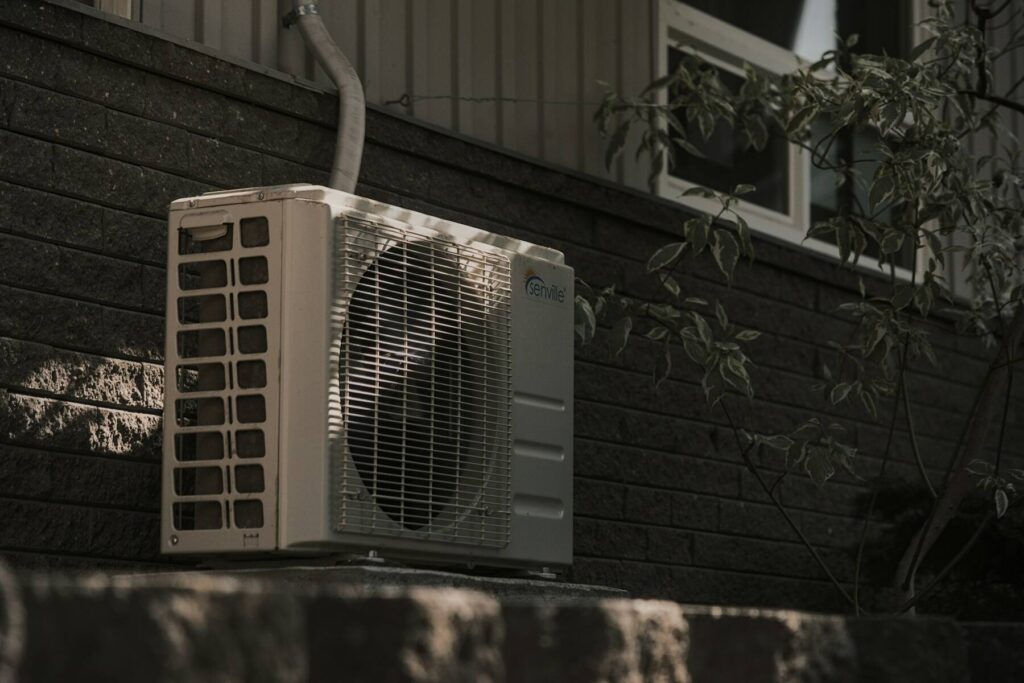
5. Consider System Upgrades or Replacements
Sometimes an aging HVAC is simply unable to manage moisture effectively, making a more efficient model a necessary investment. Regular cleaning can only do so much if the mechanical integrity of the system is compromised by years of neglect.
- Consult a reputable HVAC company to see if a modern, high-efficiency unit is required.
- Upgrade to a high-quality air filter (MERV 13 or higher) to better trap microscopic spores.
- Incorporate whole-home dehumidifiers if your current system cannot manage humidity.
- Replace components that are porous and cannot be fully remediated after a major infestation.
Related Questions
Conclusion
If you suspect your HVAC system may contain mold, contact us today to schedule mold testing. Our team of experts offers the fastest and most comprehensive mold testing available and can even help you create a plan for mold remediation. This can address your mold problems thoroughly and keep your home safe and clean.