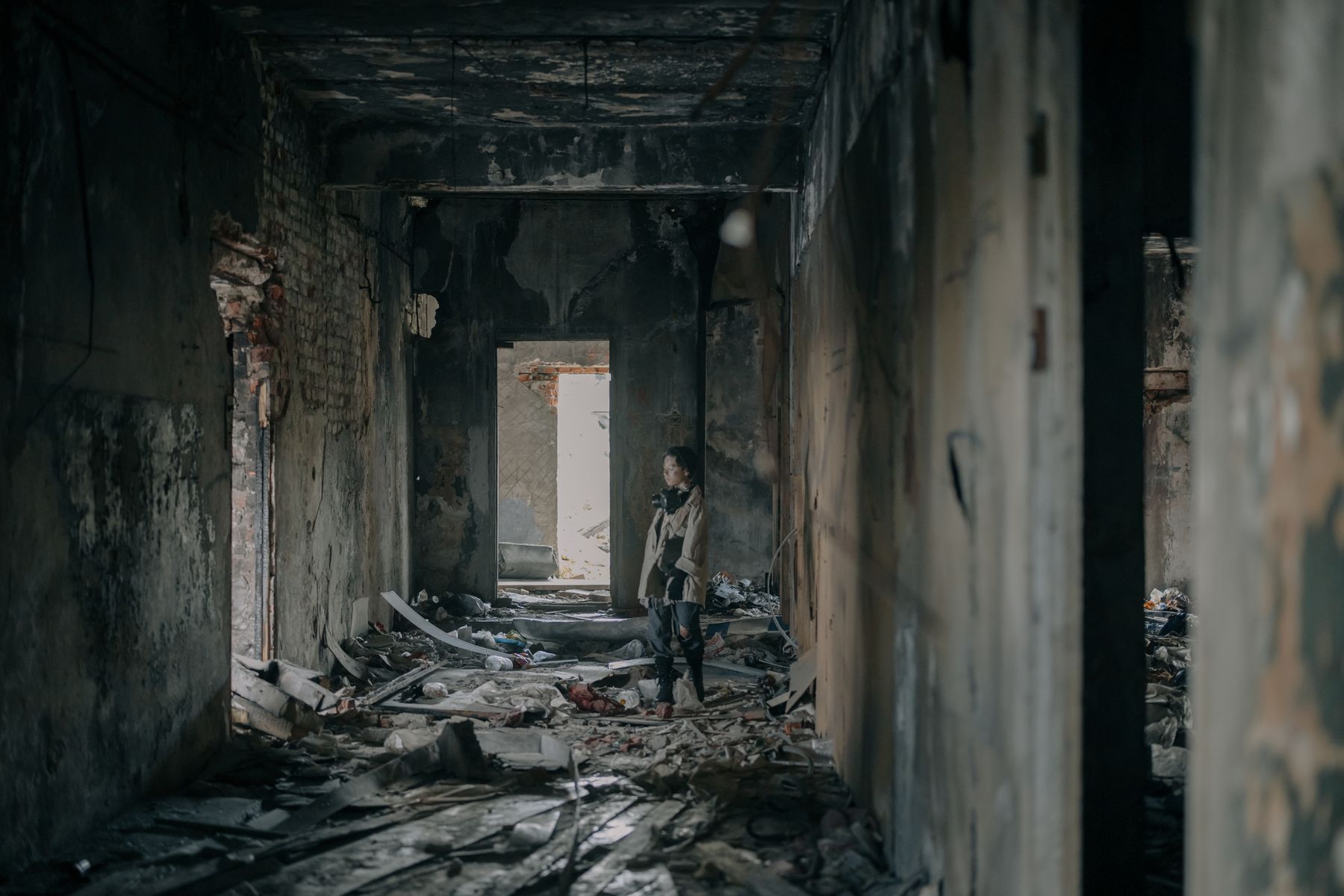
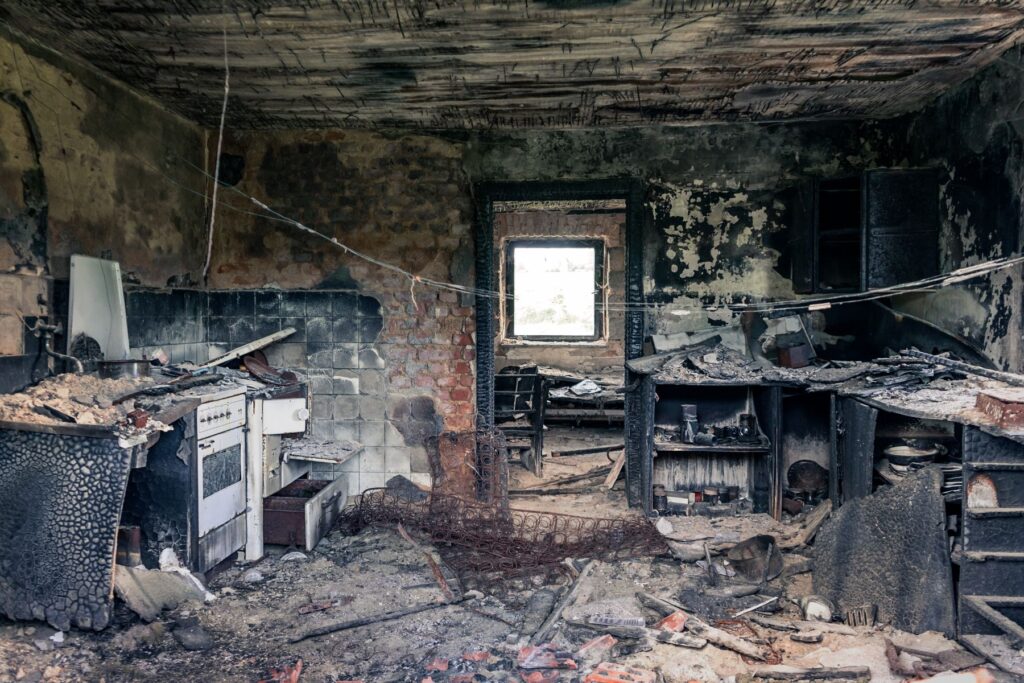
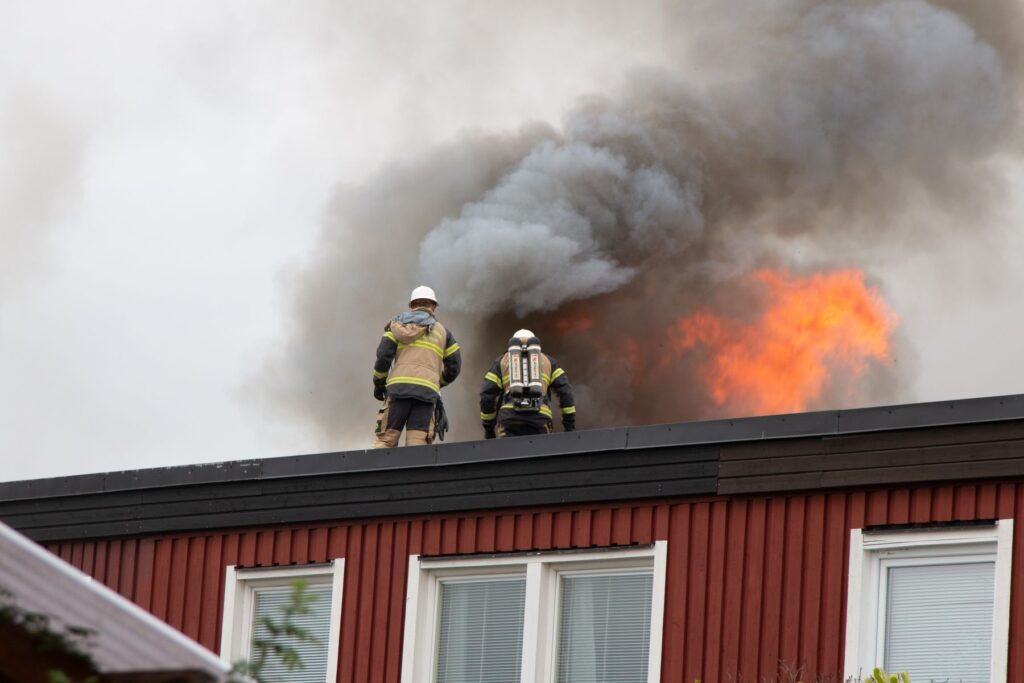
After a home fire, there are different problems to solve: what the flames or heat damaged, and where smoke, soot, ash, VOCs, and odor traveled. Sorting those issues out early helps protect occupants, guide the appropriate cleanup scope, and provide your insurance file with the documentation it needs. A fire damage assessment evaluates the structure and systems exposed to heat and flame.
A smoke damage assessment looks for soot, ash, char, odors, VOCs, fine particulates, and residues that may spread far beyond the visible burn area. If you are trying to understand what type of residue you are dealing with, our guide to soot vs. smoke damage explains how visible soot, lingering smoke odor, and fine particles can affect cleanup, testing, and documentation.
Depending on what needs to be documented, air quality testing vs surface testing after a fire can help determine whether the concern is airborne particles, visible residue, hidden contamination, or post-cleanup verification. Handled well, assessments become a clear action plan: make the property safe, document the loss, identify what can be cleaned, determine what should be removed or replaced, and verify conditions after remediation.
For San Diego County homeowners, especially in wildfire-aware areas, professional testing can separate visible damage from hidden contamination before cleanup decisions are made.
TL;DR
- Fire assessments focus on structural safety, heat damage, suppression-water impacts, and system hazards.
- Smoke assessments focus on soot spread, residues, VOCs, particulates, and odors.
- Expect hidden issues, including water from firefighting, electrical and HVAC impacts, and residue inside ducts and porous materials.
- Start with safety clearance, documentation, containment, and evidence-based testing. Clean scientifically, not just cosmetically.
- Insurance may cover fire and smoke damage, depending on the policy, the facts, and the documentation. In California, smoke-damage claim handling is receiving specific regulatory attention, so testing records and post-remediation verification matter.
What Assessment Means and Why It Matters
Following a home fire, assessment is a structured inspection that answers three questions:
- Is the home safe to enter and occupy?
- What is damaged and to what extent?
- What will help restore and verify acceptable indoor conditions?
Fire damage assessment emphasizes structural integrity, electrical hazards, and materials weakened by heat. Smoke damage assessment maps where fine particles, soot, ash, VOCs, and residues traveled, how deeply they affected surfaces or porous materials, and whether odors or potentially corrosive residues remain.
You’re not expected to decide everything on your own. Local officials determine when reentry is safe. Licensed engineers evaluate structural elements if there is any concern.
Qualified environmental assessors can document contamination, recommend a remediation scope, and perform pre- and post-remediation evaluations. Restoration contractors then use that information to clean, remove, repair, or rebuild affected materials.
How Fire Damage Assessment Works
This phase identifies deep structural issues and safety hazards that might stay hidden behind charred walls or beneath flooring. Homeowners gain a clearer path forward by identifying what may be cleaned, what needs repair, what requires replacement, and what should be evaluated.
Immediate Safety Checks
After a fire, responders or qualified professionals confirm that reentry is allowed. They watch for rekindled risks, downed or compromised utilities, and unstable building elements.
Water used to extinguish the fire often saturates walls, floors, cabinets, and insulation. Wet materials should be dried quickly, where possible, because prolonged dampness can promote mold growth. Basic containment, board‑up, and weatherproofing protect the scene and reduce secondary damage.
Structural and System Evaluations
Inspectors use visual clues, probing, and, where needed, nondestructive tests. For wood framing, char depth and surface condition hint at residual strength. For concrete, specialized testing can evaluate surface color changes, cracking, and strength.
Moisture meters and thermal imaging can help locate wet areas left behind by firefighting or suppression efforts. A fire assessment looks at:
- Structural members for charring, spalling (surface breaking off), warping, or heat‑weakened fasteners.
- Roof and floor systems for loss of capacity from prolonged heat.
- Electrical panels, wiring, and devices for heat, water, and smoke impacts.
- Components may require replacement if insulation, connections, or equipment were heat- or moisture-damaged.
- Plumbing, HVAC, and appliances for heat exposure, contamination, or corrosion.
- Materials affected by water used in suppression.
How Smoke Damage Assessment Works
Specialized testing can track fine particulates, soot, ash, VOCs, and residues that travel far beyond the actual flame area. Residents benefit from a scientific approach that identifies likely odor sources and contamination pathways, then verifies whether cleanup has addressed the affected areas before normal use resumes.
Tracing Smoke Pathways
Smoke moves wherever air moves. It follows pressure differences through attics, chases, wall cavities, under doors, and into HVAC systems.
This is especially relevant in San Diego homes where wildfire smoke or neighborhood fire smoke may enter through attic vents, garages, older windows, or HVAC pathways, even when flames never reached the structure. Assessment maps these pathways, identifies clean and impacted zones, and sets a scope for cleaning.
Residue Types and Testing
Not all smoke residue is the same, and testing helps determine what type of contamination is present. Dry soot from fast, high‑oxygen fires behaves like a fine powder. Wet soot from smoldering plastics or oils smears easily and can etch finishes.
Protein residues from food fires can be nearly invisible yet produce strong odors. Depending on the loss, assessors may use field screening and laboratory-supported methods such as:
- White cloth, wipe, tape lift, or dry sponge screening to reveal fine soot or residue on surfaces.
- Inspection of HVAC filters, coils, cabinets, returns, and supply ducts for visible or confirmed smoke intrusion.
- Odor source tracing in porous materials like textiles, unfinished wood, and insulation.
- Indoor air quality testing is required when particulates, VOCs, odor persistence, or reoccupancy concerns require documentation.
- Surface samples, air monitoring, soot/char/ash analysis, VOC testing, or lab analysis when insurance documentation or a remediation scope requires stronger evidence.
Cleaning plans should match the residue type, surface material, porosity, and test results. Methods may include:
- HEPA vacuuming
- Dry-sponge removal for appropriate dry soot
- Damp wiping or mild detergent cleaning for ash or washable surfaces
- Targeted chemistry for greasy or protein residues
- Contents processing
- Odor management through source removal, ventilation, and filtration
- Selective sealing when appropriate
Comparison Guide: Fire Damage Assessment vs Smoke Damage Assessment
Recognizing the distinction between charred structures and invisible soot particles helps you choose the right experts for a safe recovery.
| Dimension | Fire Damage Assessment | Smoke Damage Assessment |
| Primary Goal | Verify structural and life safety; define repair vs replacement | Map contamination; guide cleanup; verify whether smoke, soot, VOC, particulate, and odor concerns have been addressed |
| Typical Hazards | Structural instability, electrical faults, hot spots, water saturation | Fine particulates, corrosive residues, odor reservoirs, HVAC spread |
| Tools & Tests | Visual/probing, moisture meters, structural evaluation, selective lab tests | Wipe/tape-lift samples, dry-sponge screening, particulate or VOC testing, HVAC inspection, odor source tracing, and post-remediation verification |
| First Priorities | Scene safety, utilities off, board‑up, moisture control | Containment, protect clean areas, high‑efficiency filtration, do not spread soot |
| Likely Work | Demolition of compromised materials; structural and system repairs | Systematic cleaning, contents processing, and selective replacement of porous items |
| Insurance Focus | Heat, flame, and water effects; code upgrades as applicable | Extent of smoke spread, test results, cleanability, proof of residue, remediation scope, and post-cleaning verification |
Practical Health and HVAC Considerations
Smoke and ash leave tiny particles that irritate eyes and lungs and can carry other chemicals. Ventilate only when outdoor air is cleaner, and use properly sized portable HEPA air cleaners in occupied or cleaner containment zones when the home is cleared for limited occupancy. Duct cleaning isn’t automatic.
Inspect first and consider cleaning when there is visible contamination, confirmed smoke intrusion, or particles being released from the system. EPA doesn’t recommend routine duct cleaning, only cleaning as needed.
For homes in San Diego communities, an HVAC-related smoke assessment can help determine whether filter replacement is enough or whether duct, coil, or return-side contamination needs further action.
Documentation and Insurance
Take wide-angle and close-up photos before cleanup, keep a room‑by‑room inventory, save receipts, and record humidity and odor levels over time. Notify your insurer promptly and cooperate with adjuster inspections. Smoke may be covered depending on the policy and facts of the claim, but proof matters. Keep assessments and post‑cleaning verification in one file.
Claims rules and expectations vary by state. In California, regulators and task-force discussions have focused specifically on smoke-damage inspection, testing, remediation, restoration, and insurance claim handling. When in doubt, ask your state insurance department for consumer help.
Our fire and smoke damage assessment gives homeowners and adjusters a clearer record of:
- What was inspected
- Where samples were collected
- What the lab found
- What should be verified after remediation
Examples
Real scenarios offer peace of mind, showing that even complex smoke odors in homes can be effectively neutralized with the right approach.
Small Kitchen Fire With Big Odor
A pan ignites on the stovetop. Flames scorch the cabinets and the range hood before the fire is out. The fire assessment finds localized heat damage to the hood and adjacent cabinets, light charring on a stud behind the range, and moisture from suppression in the base cabinets. The smoke assessment reveals protein residue and odor in nearby rooms, soot in the range hood duct, and light deposits on ceilings.
The plan replaces the range hood and scorched cabinets, dries and monitors wet areas, and cleans ceilings and walls with the correct alkaline detergent. It also includes dry-sponging the remaining areas, cleaning ducts only where contamination is found, and laundering or dry-cleaning textiles.
Neighborhood Wildfire, No Flames on the House
Winds push wildfire smoke through attic vents and small envelope leaks. There’s no structural damage, but fine ash collects on windowsills, in the garage, and in some HVAC returns. The smoke assessment zones the home, prioritizes HEPA vacuuming and damp wiping in occupied rooms, and replaces filters with a higher MERV rating that the system can handle.
Duct interiors are inspected, and cleaning is scoped only for runs with visible deposits. A contents team cleans textiles and soft goods off-site. Post-cleaning wipe tests verify residue removal, and the family returns once odors have resolved and housekeeping dust has settled.
Actionable Steps / Checklist
For residents across San Diego County, this checklist turns a stressful moment into safer, better-documented next steps.
- Wait for official clearance to reenter. Wear gloves, long sleeves, eye protection, and a fit-checked N95 or better respirator if ash or soot is present or airborne.
- Shut off compromised utilities. Avoid turning on the HVAC until an assessment rules out soot spread.
- Ventilate only when the outdoor air is good. Use properly sized portable HEPA air cleaners in occupied or cleaner containment areas if limited occupancy is appropriate.
- Close doors to cleaner rooms, cover high‑traffic paths, and stage clean/dirty zones.
- Document everything with photos and a simple inventory before moving or discarding items.
- HEPA-vacuum loose particles, use dry-sponge methods for appropriate dry soot, and use damp wiping or mild detergent where recommended for ash or washable surfaces.
- Avoid aggressive scrubbing or wet cleaning, as these can smear soot until the residue type is confirmed.
- Gently bag and remove loose ash and debris to prevent resuspension. Change vacuum bags or prefilters often.
- Replace HVAC filters immediately with the highest MERV your system allows. Consider MERV 13 if compatible.
- Call qualified help for structural concerns, electrical issues, or heavy smoke impacts. Request a written scope and post‑cleaning verification.
Glossary
Learning the specific terms used by inspectors and insurance adjusters bridges the gap between technical reports and your peace of mind.
- Soot: Fine carbon‑rich particles from incomplete combustion that settle on surfaces and in ducts.
- Char: Burned material with a carbonized layer indicating heat exposure; used to judge damage depth in wood.
- Spalling: Surface flaking or cracking in materials such as concrete or brick due to heat or rapid cooling.
- HEPA: High‑Efficiency Particulate Air filtration that captures very fine particles.
- MERV: Minimum Efficiency Reporting Value; a rating for HVAC filters. Higher numbers capture smaller particles.
- Protein Residue: Nearly invisible film and strong odor left by burned food or oils.
- Odor Source Removal: Eliminating materials that hold smoke smells rather than masking them with fragrances.
- Containment: Barriers and procedures that prevent soot from spreading into clean areas during cleanup.
FAQ
Q: Do I always need duct cleaning after smoke damage?
A: You don’t necessarily need to do duct cleaning following smoke damage. It’s best to inspect first. Duct cleaning is usually considered when there is visible contamination, confirmed smoke intrusion, or evidence of particles being released from the system. Otherwise, filter replacement, HVAC inspection, and monitoring may be sufficient.
Q: Is it safe to stay in the home during cleaning?
A: It may be safe to stay in the home during cleaning only if officials or qualified professionals confirm there are no structural, electrical, utility, or significant indoor contamination hazards. Children, older adults, pregnant people, and people with asthma, COPD, heart disease, or other respiratory/medical conditions should avoid cleanup areas until conditions are properly evaluated.
Q: How long should the odor last after proper cleaning?
A: After thorough source removal and correct cleaning, residual odor should improve with ventilation and filtration. Persistent or recurring odor may indicate missed reservoirs in porous materials, HVAC components, insulation, contents, or hidden cavities that require reevaluation.
Q: Will insurance cover smoke if there was no flame damage?
A: Insurance will often cover smoke if there was no flame damage. However, coverage and proof standards vary by policy and state. Solid documentation and testing results strengthen your claim.
Final Thoughts
Treat fire and smoke as related yet distinct problems. Make the structure safe, then clean the air and surfaces methodically. Good assessments reduce guesswork, help contractors clean to a documented scope, support insurance conversations, and give homeowners clearer evidence before they return to normal use.
For homeowners in San Diego, Del Mar, La Jolla, Carlsbad, Encinitas, and nearby communities, Rarefied Air Environmental can provide the testing, written findings, and post-remediation verification needed to move from “it looks clean” to “the evidence supports the next step”.