
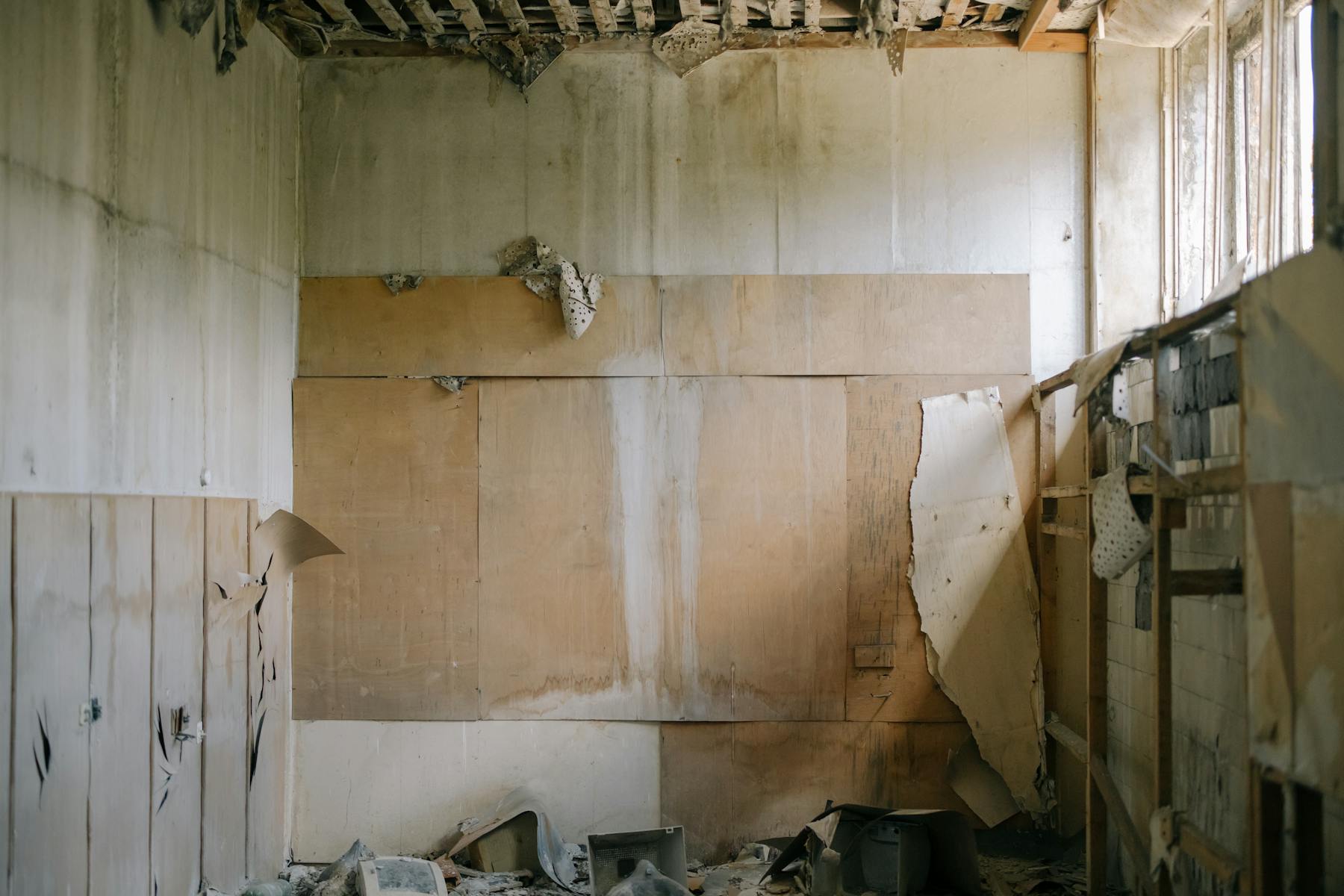
Poria is a common nickname for the water-conducting brown-rot fungus Meruliporia incrassata (historically referred to as Poria incrassata), and it’s not your everyday wood rot. It can move water through root-like cords and support hidden growth far from any visible leak. That trick lets it damage framing that should have stayed too dry for decay.
If you own a wood-framed house, especially with a crawlspace, heavy irrigation, or planters tight to the foundation, learning the basics about poria can save you from costly structural repairs. The good news: it is preventable, and when caught early, it is manageable with methodical work.
If you’re seeing suspicious decay or unexplained dampness, a professional environmental assessment can document moisture conditions and any fungal growth so you can scope the right fix without guesswork.
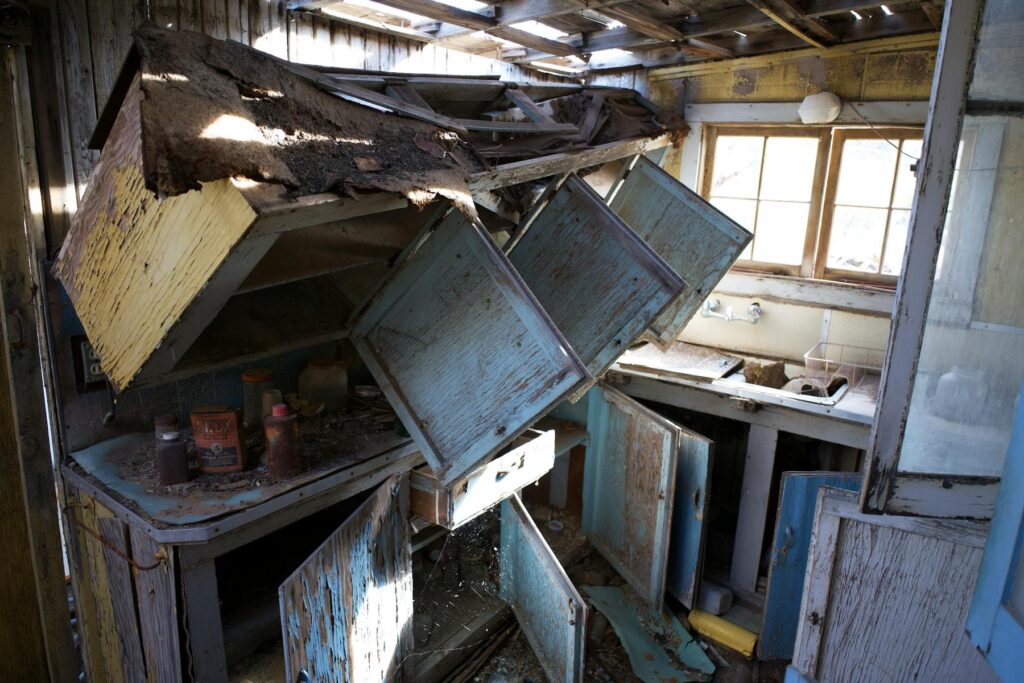
TL;DR
- Poria is a water‑conducting brown‑rot fungus that can transport moisture to dry wood and cause rapid structural decay.
- It spreads into houses through cracks, utility penetrations, or soil‑to‑wood contact, then feeds on cellulose in framing.
- Key signs include root-like cords called rhizomorphs, brown cubical rot, creamy-to-orange fruiting bodies, and damage patterns that don’t match an obvious interior leak (the moisture source may be wet soil or irrigation outside).
- Control hinges on cutting off the wet source and the entry pathway, severing rhizomorphs, replacing decayed wood, and correcting drainage/clearance details.
- Chemicals alone don’t solve the underlying moisture pathway.
What Exactly Is Poria Fungus?
Meruliporia incrassata is a brown‑rot fungus. Brown rot means the organism digests cellulose and hemicellulose in wood but leaves most of the lignin behind, so the wood turns brown and breaks into cube‑like chunks. Poria’s calling card is its rhizomorphs: tough, barkless cords that look like plant roots but are actually bundles of fungal strands.
Unlike common surface molds, decay fungi such as poria actually weaken wood. They need four things to grow: oxygen, workable temperatures, food (wood), and free water. In typical rot, liquid water comes from leaks. With poria, the fungus can supply its own water through rhizomorphs, which is why it can be so destructive so quickly.
When you’re not sure what you’re seeing, professional sampling and lab analysis, paired with a thorough on-site assessment, can help document whether fungal growth is present and what conditions are supporting it.
Why Poria Is Dangerous to Homes
Wood must be wet enough for enzymes to diffuse before decay progresses. In practice, that is around the wood’s fiber saturation range, roughly the high 20s to low 30s percent moisture content. Many brown‑rot fungi stall if the wood dries below that level, and poria gets around this by importing water. The result is accelerated loss of strength in framing.
Even small amounts of decay can cause big reductions in strength. Wood can lose a surprising amount of strength early in the decay process, so even “limited” damage in a sill plate, rim joist, or subfloor can become a real safety issue, not just a cosmetic one.
That is why poria in a sill plate, rim joist, or subfloor can quickly become a safety issue rather than just a cosmetic one. If you’re worried structural wood may be compromised, start by documenting moisture and microbial conditions, then involve the right repair professional with clear findings in hand.
How Poria Gets Into a House
Poria normally lives in soil and decaying roots outdoors. It gains access when design or maintenance lets consistently damp soil connect to wood or to a concealed path that stays humid enough for the rhizomorphs to survive. Common gateways include:
- Cracks in perimeter foundations or slab cold joints.
- Plumbing penetrations and utility chases.
- Siding or stucco buried below grade, planters against walls, or soil piled against rim joists.
- Humid, poorly ventilated crawlspaces, or inadequate earth‑to‑wood clearance.
- Buried wood debris or roots in damp fill near the foundation can feed growth in the soil.
Once a rhizomorph finds a way in, it can branch within walls or crawlspaces, delivering water to wood and feeding a growing colony. A site survey that looks at moisture patterns, ventilation, and likely entry points, and uses targeted sampling when needed, can confirm what’s happening before invasive demolition starts.
Telltale Signs to Look For
Early detection turns a potential structural catastrophe into a manageable repair, protecting both your family’s safety and your financial investment.
- Root-like strands without bark (rhizomorphs) running along foundations, through cracks, or inside stud bays. If snapped, they often smell mushroom-like.
- Brown cubical cracking in wood that crumbles easily under a screwdriver. Note that brown cubical rot alone isn’t unique to poria, as many brown-rot fungi can look similar without the distinctive barkless cords.
- Creamy to orange, soft fruiting bodies on very decayed wood, sometimes leaving brown spore dust.
- White mycelial fans on masonry or hidden surfaces that stay humid.
- Persistent dampness or decay patterns that do not match any roof, window, or plumbing leak.
If you’re documenting these signs for a contractor, our environmental inspectors can provide objective findings (air and/or surface sampling when appropriate, lab results, and a written report) to guide next steps and reduce guesswork.
Poria Versus Other Problems: What You Are Dealing With
Understanding the distinct differences between common rot and Poria can save you from costly misdiagnoses and ineffective repairs. Because there are no health-based indoor standards for mold, sampling is most useful when it’s designed to answer a specific question (for example, confirming whether an area is impacted, or verifying cleaning after remediation).
| Factor | Poria fungus (Meruliporia incrassata) | Typical brown‑rot from a leak | Subterranean termites |
| Water Source | Imports water via rhizomorphs from soil or another wet source | Direct leak keeps the wood wet | Soil moisture; they do not create rot themselves |
| Typical Signs | Barkless root-like cords; brown cubical rot; creamy orange fruiting bodies | Localized brown cubical rot near a clear leak | Mud tubes, hollowed wood with galleries |
| Spread Path | Through foundation cracks, penetrations, and soil contact | Follows wet sheathing or framing near the leak | Tubes from soil to wood |
| Typical Fix | Remove moisture source and contaminated soil; cut rhizomorphs; replace decayed wood; improve drainage/clearance; consider treated wood where required | Fix leak; dry assembly; replace damaged wood; improve flashing | Termite treatment and soil corrections; repair wood |
What to Do If You Suspect Poria
By following these expert-backed protocols, you gain a clear roadmap toward restoration, helping you partner with the right specialists to reclaim a dry, healthy, and secure living environment.
- Stay focused on moisture: The fungus cannot progress without a sustained wet source. Look for grade issues, planters against walls, faulty irrigation, or plumbing leaks near the worst decay.
- Document the paths: Photograph rhizomorphs, cracks, and any fans or fruiting bodies so a specialist can plan the cut‑off points.
- Start with a professional environmental assessment: Document moisture conditions and any fungal growth, then bring in the appropriate remediation and repair professionals based on the findings. In the United States, licensing is state-based. For example, Californians can verify licenses with the Structural Pest Control Board.
- Expect a scope: The scope should include severing rhizomorphs at entry points, removing and replacing decayed wood, and correcting the moisture pathway (grade, irrigation, drainage, ventilation, and sealing penetrations). In some cases, localized soil removal or barriers may be used where soil is in direct contact with the structure.
- Choose appropriate materials: Where code and conditions require, use pressure‑treated or borate‑treated replacement members for added resistance. Isolate wood from soil and concrete with approved barriers.
- Fix the detail that allowed entry: Raise or trim back landscaping, slope grade away from the house, and keep siding above grade. Seal utility penetrations and improve crawlspace drying.
In California, Rarefied Air Environmental provides comprehensive site surveys and detailed reports, with options for air sampling, surface/tape-lift sampling, and laboratory analysis. We also provide clear recommendations to help you plan remediation or repairs efficiently.
Examples
These stories offer a glimmer of hope, proving that with the right professional intervention, you can successfully reclaim your sanctuary from nature’s most aggressive decomposers.
Lessons from a 1960s Crawlspace Restoration
A 1960s crawlspace house had a planter built tight to a stucco wall. Interior baseboards cupped, but no window leaks were found. An inspection uncovered barkless cords emerging from a hairline crack in the stem wall and running into the rim joist.
The repair team demolished the planter, excavated contaminated soil, severed and removed rhizomorphs, replaced rim and sill sections, and regraded the area with a drip‑free planting strip. Follow‑up monitoring showed no recurrence.
Battling High Humidity and Poria in Gulf Coast Climates
A slab‑on‑grade home in a humid Gulf Coast climate developed soft subflooring near a bathroom. Opening the wall revealed a rhizomorph entering at a plumbing penetration in the slab.
Crews chipped and sealed the cold joint, removed decayed sole plates, installed treated replacements, and added a capillary break. Outside, a broken irrigation head that kept the soil saturated near the bathroom wall was replaced, and the grade was corrected.
Actionable Steps / Checklist
Proactive maintenance is your strongest shield against the heartbreak of major structural failure and the stress of emergency renovations. This checklist empowers you to transform your home into a fortress, ensuring that moisture, the lifeblood of Poria, never finds a way to take root.
- Walk your foundation after rain; note any standing water against walls.
- Keep soil, mulch, and planters pulled back so siding and framing stay above grade with a generous air gap.
- Fix chronic irrigation overspray. Aim heads away from the house.
- Seal obvious cracks and penetrations in foundations and slabs. Maintain weep screeds clear of soil.
- Line crawlspace soil with a continuous ground cover.
- Choose a drying strategy appropriate to the home and climate (code-compliant ventilation or a sealed/conditioned approach with mechanical drying) to avoid pulling humid air into the crawlspace.
- Where wood touches concrete or is close to soil, use approved barriers and, where required, preservative‑treated lumber.
- If you see barkless root-like cords or creamy orange fungal growths indoors, stop watering near the area and call a licensed pro promptly.
- Keep records and schedule periodic inspections after remediation to confirm the moisture pathway remains closed.
- If you’re unsure which moisture pathway is driving the problem, a professional inspection with a clear written report can help you prioritize fixes and avoid unnecessary tear-outs.
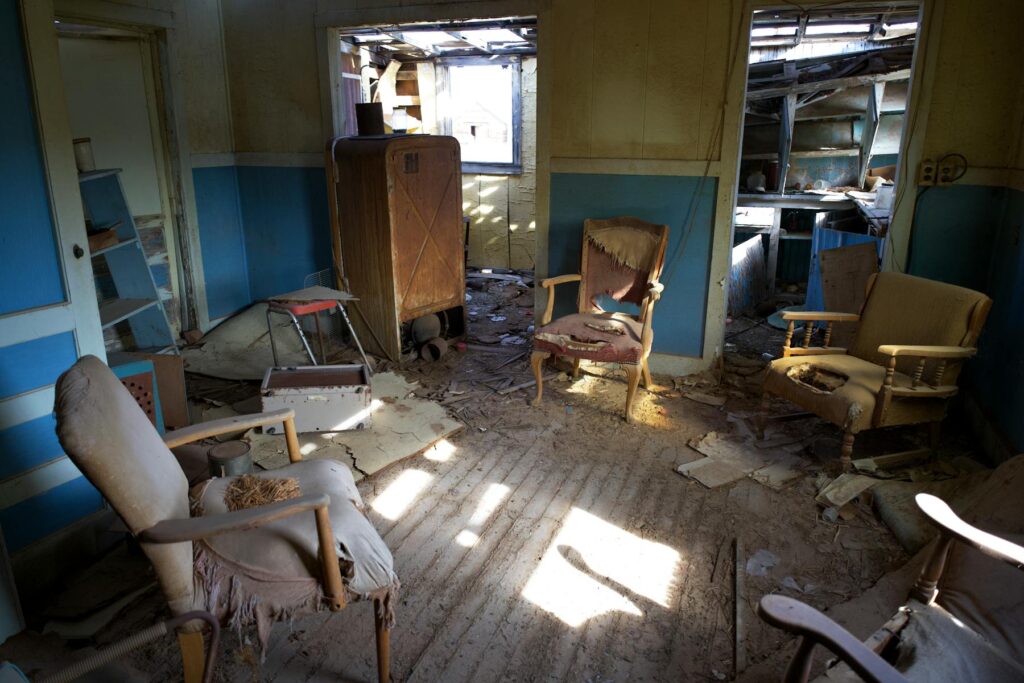
Glossary
When you understand these terms, you become an active partner in your home’s defense, ensuring no detail is overlooked during the remediation of your most valuable investment.
- Brown rot: Wood decay where fungi digest cellulose and hemicellulose, leaving brown, brittle wood that breaks into cubes.
- Rhizomorph: Rootlike, barkless cord made of bundled fungal strands that can transport water and nutrients.
- Mycelial fan: A sheetlike mass of fungal threads that spreads over surfaces in humid voids.
- Fiber saturation point: Moisture range where cell walls are saturated but cavities are not; above this, decay advances readily.
- Preservative‑treated wood: Lumber infused with registered chemicals to resist decay and insects.
- Borate: A family of preservative chemicals that protect interior wood from fungi and some insects; not for ground contact or continuous wetting.
FAQ
Final Thoughts
Poria is uncommon, but when it shows up, it punishes small flaws in moisture control. If you break the water pathway, remove infected materials, and rebuild with smart details, you turn a scary problem into a one‑time fix. Keep soil away from wood, keep water moving away from the house, and you will keep poria out.
Not sure whether the problem is poria, another decay issue, or indoor mold driven by moisture? Rarefied Air Environmental can document moisture conditions and investigate affected areas, then provide lab-backed results and practical recommendations to guide remediation and repair decisions.