

Lead paint still hides in millions of U.S. homes built up to the mid-80s. If you are renovating, buying, renting, or just want peace of mind, a professional inspection can tell you where lead is and what to do next. The right test protects your family, helps you comply with rules, and can save money by focusing work where it matters.
This guide explains typical prices, what drives them up or down, the kinds of inspections you can buy, and when a deeper risk assessment or clearance test makes sense. You will also find simple steps to prepare, questions to ask, and real‑life examples to help you budget wisely.

TL;DR
- Most lead paint inspections for a typical home cost about $300 to $700. At Rarefied Air Environmental, we provide customized quotes based on your specific property and testing needs.
- Costs rise with square footage, number of samples, multi‑unit buildings, rush reporting, and local labor rates.
- A risk assessment costs more (often $500 to $1,500) because it evaluates hazards in paint, dust, and soil and recommends fixes.
- After abatement or certain repairs, a clearance exam with dust‑wipe samples may be required to document that the area is safe.
- Always hire certified pros and use EPA‑recognized labs for sample analysis to meet legal and lending requirements.
What a Lead Paint Inspection Includes
A lead‑based paint inspection is a surface‑by‑surface check to find lead paint and map where it exists. Inspectors often use X‑ray fluorescence (XRF), a handheld analyzer that reads through paint layers, and may collect paint chips for lab analysis. The report lists each tested component and whether lead is present at or above the regulatory definition of lead‑based paint, which federal law sets at 1.0 mg/cm² or 0.5% by weight.
We exclusively use X-ray fluorescence (XRF) technology for all our lead paint inspections. This non-destructive method allows us to quickly and accurately identify lead in paint layers without damaging your property.
A risk assessment goes further. It investigates whether lead hazards are present now and where exposure is likely, using dust wipes and sometimes soil samples, plus a plan to control hazards. If you complete abatement or certain repairs that disturb painted surfaces, a clearance exam uses dust‑wipe sampling to confirm dust levels meet current standards before spaces are reoccupied.
If you’ve recently had work done or plan to disturb lead-based paint, schedule a clearance exam with our technicians to ensure your property is safe.
What Is the Typical Price Range of Lead Paint Inspection in 2026
These are ballpark figures. Older, larger, or multi‑unit properties, longer travel distances, high‑cost metros, or tight deadlines can push totals higher. This information also allows you to quickly identify quotes that fall outside the normal range, which may indicate either unusually comprehensive service or potential pricing issues.
- Lead paint inspection: About $300 to $700 for a typical single‑family home.
- Risk assessment: Commonly, $500 to $1,500, depending on size, sampling scope, and reporting detail.
- Clearance exam: Often $150 to $400 per visit, plus lab fees for dust‑wipe samples.
- Lab analysis: Many accredited labs charge roughly $30 to $100 per sample; some state labs list fees near $40.
What Drives the Cost
Learning about cost drivers enables you to anticipate higher or lower quotes based on your specific property characteristics.
- Home size and complexity: More rooms and components mean more readings and samples.
- Property type: Duplexes, multifamily buildings, and childcare facilities add units and common areas.
- Testing method: XRF offers fast whole‑house screening; paint‑chip sampling adds lab fees and time.
- Add‑ons: Dust‑wipe sampling, soil tests, water tests, extra copies, and rush reporting increase the price.
- Local rules: Some states or cities require specific sampling or clearance steps that affect the scope.
- Scheduling and access: After‑hours work, furnished spaces, or limited access can add billable hours.
When You Need More Than an Inspection
Recognizing when federal regulations or health concerns mandate professional intervention ensures legal compliance and protects inhabitants from hazardous dust exposure.
- Planning renovation in a 1980s housing: The federal Renovation, Repair, and Painting (RRP) Rule requires certified firms and lead-safe work practices when disturbing paint. Rarefied Air Environmental is California Department of Public Health-certified, ensuring compliance with both federal and California state regulations. Our lead inspections and testing services help ensure that your project is fully compliant.
- After abatement or paint stabilization: A clearance exam with dust‑wipe sampling verifies clean‑up.
- Buying housing constructed up to the mid-1980s: Buyers are entitled to a 10‑day period to conduct a lead inspection or risk assessment before being bound by a contract, unless both sides agree to a different window.
- A child with elevated blood lead or visible deterioration: Choose a risk assessment to locate hazards in paint, dust, and soil, and get a control plan.
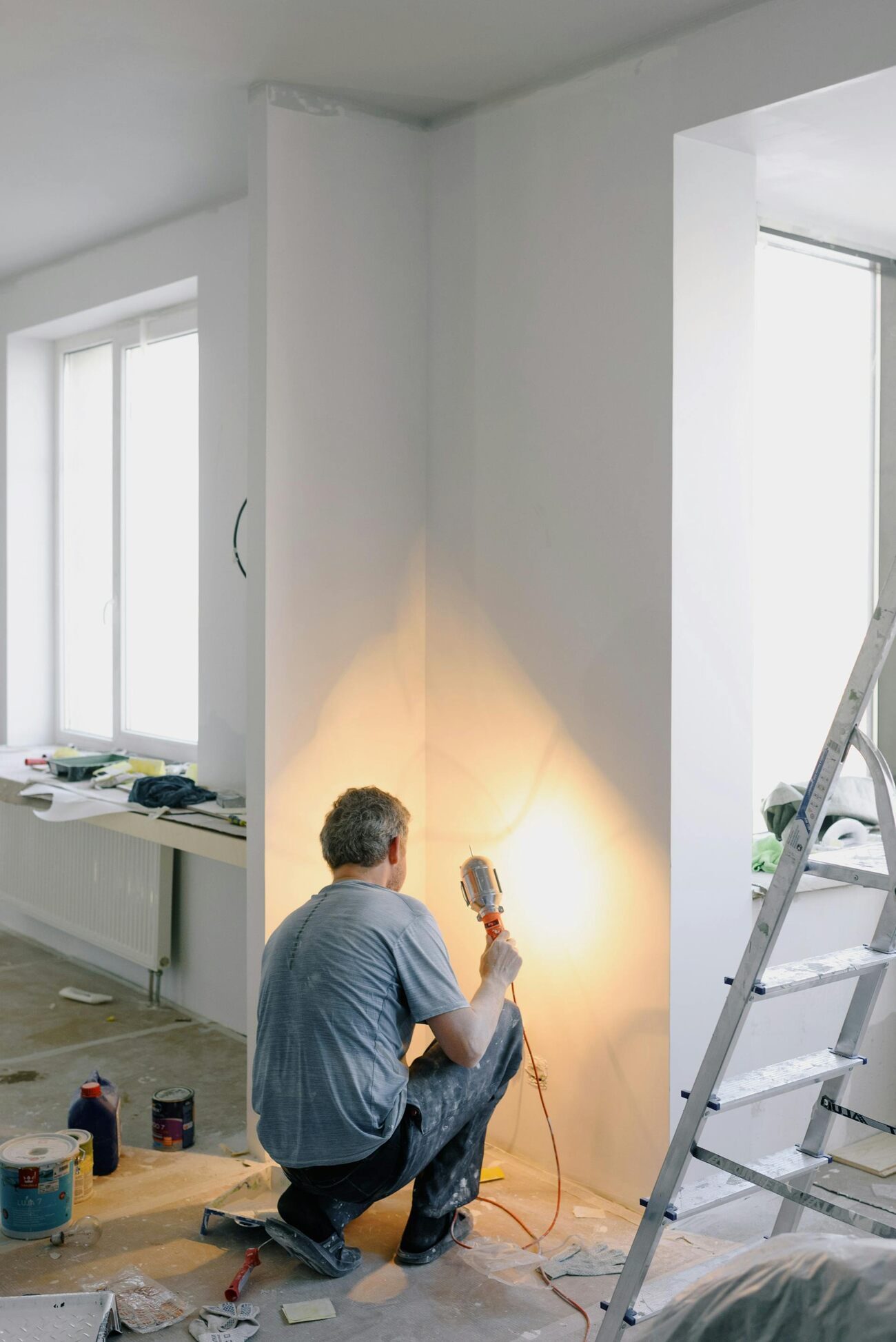
How to Choose the Right Service: Comparison of Lead Testing Methods and Costs
Selecting the correct service depends on your specific situation, whether you’re buying a home, planning renovations, living with young children, or confirming post-remediation safety.
| Service | What It Does | Best For | Typical Cost |
|---|---|---|---|
| Lead Paint Inspection | Identifies where lead‑based paint is present on surfaces (often with XRF) and reports locations. | Pre‑purchase checks, planning renovations, baseline mapping. | ~$300–$700 for a typical home |
| Lead Risk Assessment | Evaluates whether lead hazards exist now using dust and sometimes soil sampling; recommends controls. | Homes with young children, known exposure, or deteriorating paint; project planning. | ~$500–$1,500+ |
| Clearance Exam | Confirms dust levels after abatement or certain repairs meet current action levels; documents clean‑up. | Re‑occupancy sign‑off; compliance for projects requiring clearance. | ~$150–$400 plus lab fees |
A good lead paint inspection pays for itself by pinpointing areas of concern, helping you focus remediation efforts, and ensuring safety. Choose Rarefied Air Environmental for certified, thorough, and fast lead testing services.
How the Lead-Based Paint Inspection Process Works
Our systematic process identifies exactly where hazards exist in your home. This results in a targeted and efficient plan to address safety concerns.
- Booking and scope: The inspector confirms square footage, number of units, and whether you want dust‑wipe or soil sampling in addition to paint testing. Ask for a fixed price that includes the written report.
- On‑site work: Inspectors scan surfaces with XRF, collect any agreed paint chips or dust wipes, and document locations and conditions. Expect 1 to 3 hours for a typical single‑family interior; large or complex properties take longer.
- Lab analysis and report: Samples go to an EPA‑recognized NLLAP lab. Many reports arrive within a few business days, faster with rush service. You receive a list or map of lead‑positive components and, for risk assessments, practical control options.
What Are the Compliance Notes Worth Knowing
Sellers and landlords must follow federal laws requiring the disclosure of lead-based paint to protect themselves from significant legal liabilities and lawsuits.
- The RRP Rule applies to paid work that disturbs paint in mid-1980 homes and child‑occupied facilities and requires certified firms and trained renovators.
- Common triggers include disturbing more than 6 square feet of interior paint or more than 20 square feet on exteriors, and window replacement.
- EPA strengthened dust standards in 2024. EPA significantly lowered the allowable dust-lead hazard standards in recent rule updates, meaning smaller amounts of lead dust now qualify as a hazard. Clearance testing may therefore require more thorough cleaning than in previous years.
- For real estate, sellers must provide buyers with the EPA pamphlet and allow a 10‑day inspection period unless both sides agree otherwise.
Examples
Examining real-world scenarios for different property types illustrates how testing costs and methods scale based on your specific living situation, especially when you want to protect your children.
Starter Bungalow Before a Kitchen Remodel
A 1,200 square feet 1950s bungalow in the Midwest schedules an inspection before cabinets come out. The inspector scans the kitchen and adjoining rooms with XRF and collects two dust wipes near the work area. The flat‑fee inspection is $425 plus $80 for two lab samples.
The report flags lead‑positive window trim and advises hiring an RRP‑certified contractor. No risk assessment is needed because hazards are limited and the paint is intact outside the work zone.
Duplex With Peeling Windows and a Toddler
A 2‑unit 1920s duplex shows peeling paint on several sashes, and a toddler lives in the lower unit. The owner orders a risk assessment for both units and the common stairs. The assessor conducts XRF screening, collects dust wipes in kitchens, bedrooms, and window areas, and takes two soil samples by the dripline.
Total cost is $1,150, including 12 lab samples. The report identifies dust‑lead hazards at several windows, recommends interim controls and targeted abatement, and outlines clearance testing steps after work.
Actionable Steps / Checklist
This practical list helps you control service fees by bundling tests and ensures you have all the data required for future lead-safe work.
- Confirm property age; assume risk if built up to the mid-1980s. If the property is built after the mid-80s, check asbestos presence in roofing mastics.
- Decide the scope, whether it’s inspection only vs. risk assessment if hazards are suspected.
- Hire certified professionals and ask for a sample count, methods, and a written report in the quote.
- If sampling is included, verify the lab is EPA‑recognized under NLLAP.
- Bundle units or schedule all sampling in one visit to control fees.
- Before work that disturbs paint, plan for RRP‑certified contractors and possible clearance testing.
- Keep your reports with real estate disclosures and renovation records.

Glossary
This specialized vocabulary provides the clarity needed to distinguish between basic testing and the deeper evaluations required for high-risk environments.
- Lead‑based paint: Paint with lead at or above 1.0 mg/cm² or 0.5% by weight, the federal definition.
- XRF: X‑ray fluorescence, a handheld tool that detects lead in paint layers without removing samples.
- Risk assessment: A deeper evaluation that tests dust and sometimes soil to find current hazards and recommend controls.
- Clearance exam: Post‑work testing, usually dust wipes, to show spaces meet current action levels.
- RRP Rule: Federal rule requiring certified firms and lead‑safe work when disturbing paint in housing and child‑occupied sites.
- NLLAP: EPA program that recognizes labs competent to analyze paint, dust, and soil for lead.
- Dust‑wipe sample: A measured wipe of a surface that a lab analyzes for lead dust loading.
FAQ
Final Thoughts
A good lead inspection pays for itself by pinpointing where to focus and where you can leave paint alone. Choose the right level of evaluation, get a clear scope and fixed price, and work with certified pros who use recognized labs. That way, your project stays compliant, on budget, and family‑safe.
Rarefied Air Environmental proudly serves the San Diego area and surrounding regions. Our team is ready to help you with accurate, reliable lead paint inspections and testing. If you live in California, trust our CDPH-certified professionals to ensure your home or business meets all safety standards.