

If you are planning a renovation or you just found a suspicious old tile, you probably want to know how fast you can get asbestos answers. The short version: most bulk material tests can be turned around in a day or two, and air clearance testing after abatement often wraps up the same day. The exact timing depends on the test method, how many samples you have, and your lab’s schedule.
This guide explains common timelines, what can speed things up, and where rules can affect how long you wait. Need results fast? Our asbestos testing team can provide efficient testing options and ensure your project stays on schedule.
TL;DR
- Bulk material testing by PLM often takes 1-3 business days, with many labs offering same‑day rush.
- Air clearance using PCM can deliver same‑day or next‑day results; TEM air analysis usually takes longer, from 24 hours to a few days.
- Sampling time on-site typically ranges from 1-3 hours for a typical home. However, large or complex buildings, or those with limited access, may take longer. We assess the project scope beforehand to ensure adequate time is allocated.
- Shipping and chain-of-custody steps add time; hand-delivering to an accredited lab is fastest.
- Schools and certain projects must follow federal rules that can dictate the test method and sample volumes, which affect timing.
What Determines How Long Asbestos Testing Takes
Understanding the factors that influence testing duration helps in accurate project planning and setting realistic timelines for renovation or abatement work. Knowing these determinants allows you to proactively select appropriate methods and lab services to minimize delays in your schedule.
The Big Variables
Critical elements directly impact the overall time required for asbestos testing. Knowing these variables promotes accurate timeline estimation and proactive management of the process to avoid unforeseen delays in your project.
- Test method: Bulk ID by polarized light microscopy (PLM) is quick; transmission electron microscopy (TEM) is more involved. Air fiber counts by phase contrast microscopy (PCM) are fast and widely available.
- Number and type of samples: Floor tile composites or multilayer materials need extra prep. Air clearance requires multiple samples.
- Sampling logistics: Inspectors need access to spaces, a safe setup, and proper containment where required.
- Shipping and lab access: Mailing adds days. Meanwhile, dropping samples at a local, accredited lab often unlocks same‑day options.
- Accreditation and compliance. Using NVLAP-accredited labs and complying with AHERA or NESHAP regulations are essential for reliable results, particularly for schools and public buildings. At Rarefied Air Environmental, we ensure that our services meet all federal and state regulations to provide you with the most accurate results.
Comparison of the Common Test Methods and Typical Timelines
Knowing these distinctions is crucial for selecting the right test based on the material type and regulatory requirements, directly impacting the result timeline. The three methods you will hear most are PLM, PCM, and TEM.
- PLM (polarized light microscopy) identifies asbestos in bulk building materials. It is the workhorse for pre‑renovation surveys.
- PCM (phase contrast microscopy) counts fibers in air but does not distinguish asbestos from non‑asbestos. It is used for quick worker exposure checks and post-abatement clearance in certain situations.
- TEM (transmission electron microscopy) identifies asbestos fibers in air and bulk with high specificity and is required for certain school clearances.
| Test Type | What It Checks | Where Used Most | Typical Sampling Time | Typical Lab Turnaround | Notes |
| PLM (bulk) | Suspect materials like tile, mastic, pipe wrap | Pre‑renovation surveys | 1-3 hours total visit for a typical home | 1-3 business days; same‑day rush often available | Point counting and gravimetric prep can add time |
| PCM (air) | Fiber count in air (not type‑specific) | Abatement clearance; worker exposure checks | 1-3 hours to collect enough air | Same day to 24 hours common | Fast screening; method does not speciate fibers |
| TEM (air/bulk) | Fiber identification in detail | School clearances; NOB materials; disputes | 2-4 hours collection for clearance sets | 24 hours to several days; rush possible in some labs | Required for many school abatement clearances |
From Booking to Results: What the Timeline Looks Like
This provides a high-level view of the entire asbestos testing process, from initial booking to receiving the final report. Having this perspective allows for effective time management and coordination with other project phases, such as abatement or construction scheduling.
Scheduling and Site Visit
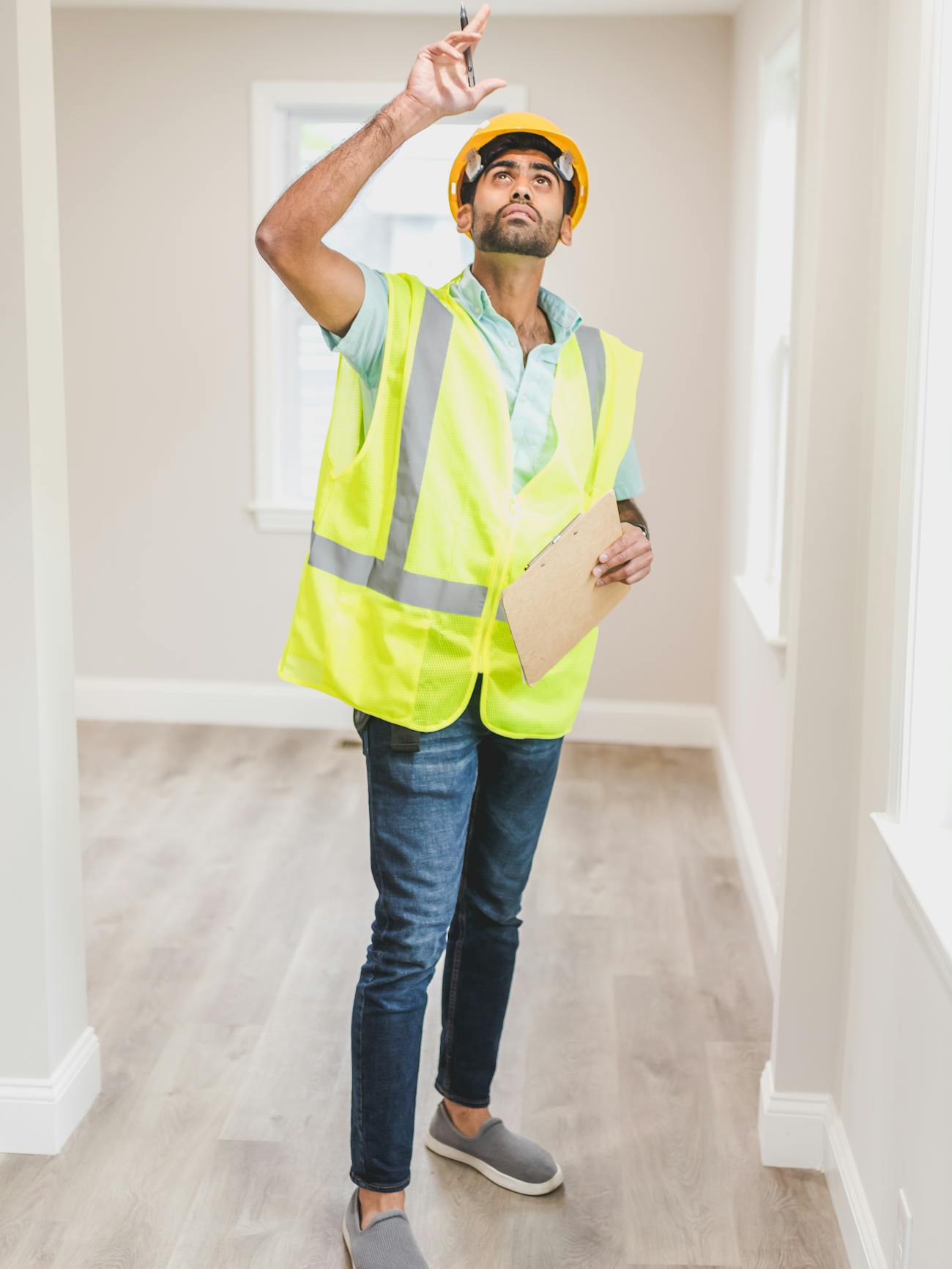
For a typical single‑family home, an inspection and sample collection often takes 1-3 hours. Expect more time in large buildings, areas with limited access, or when many different materials must be sampled. If you are facing a demo deadline, book early since some jurisdictions require an asbestos survey before renovation or demolition begins.
Lab Analysis
Knowing these standard durations allows you to realistically schedule for receiving results, especially by noting the availability of same-day or rush services for faster project completion.
- PLM bulk ID: Standard service often runs 1-3 business days. Many accredited labs, including ours, offer same-day services if we get samples early in the day.
- PCM air: Results are commonly the same day or within 24 hours after sampling.
- TEM air: Depending on workload and reporting requirements, expect about 24 hours to several days; rush is sometimes available.
Clearance After Abatement
Clearance adds two time blocks: air collection and analysis. For school projects under federal AHERA rules, clearance often uses TEM with defined sample volumes. Collecting those volumes alone can take a couple of hours.
Some small school projects may clear with PCM if results meet the method’s limit of quantitation. In non‑school settings, your consultant will select PCM or TEM based on scope, specs, and local rules.
Factors That Slow Down Asbestos Testing
Being aware of these slowdowns helps in accurate risk assessment and building contingency time into the overall project plan.
- Mailing samples instead of dropping off locally.
- Complex materials like multilayer flooring or roofing that need gravimetric preparation or point counting.
- Re-sampling after a failed clearance.
- Using non‑accredited labs or incomplete chain-of-custody paperwork.
- Regulatory specifics for schools or public buildings that require certain methods, sample counts, or volumes.
Why Accreditation and Method Choice Matter
In the United States, many public and commercial projects rely on NVLAP-accredited labs for asbestos analysis. Schools must follow AHERA, which spells out how to conduct air clearance and which methods count. OSHA rules govern worker protection and air monitoring during work. These frameworks help ensure reliable results but can affect both sampling time and turnaround.
After Abatement: How Long Does Clearance Take?
Clearance testing typically involves setting up air pumps, agitating the air as per protocol, and pulling the required air volumes through cassettes. For projects under AHERA, clearance TEM samples from inside school abatement areas are compared to outside samples or evaluated against a filter background criterion.
The required air volumes can make the sampling portion take anywhere from 1-3 hours, depending on the pump flow and volume targets. PCM clearance for eligible projects is faster to analyze. Results are commonly available the same day or by the next day once sampling is done.
Examples
Reviewing these examples helps in visualizing the process and better estimating the duration for your specific testing needs.
A Bathroom Remodel in a 1960s Home
A licensed inspector collects six bulk samples: floor tile, mastic, wall joint compound, and pipe insulation wrap. The site visit takes about 90 minutes.
The samples are hand‑delivered to a nearby NVLAP-accredited lab before noon, with 24-hour PLM service requested. Results arrive the next morning, allowing the contractor to finalize the renovation plan.
School Hallway Pipe Insulation Abatement
A school completes a planned removal of damaged thermal system insulation during winter break. The consultant conducts aggressive air sampling for clearance and sends five inside and five outside samples to a TEM-accredited lab, as required.
Collecting the specified air volumes takes roughly two hours. The lab provides next-day TEM results that meet the clearance criteria, and the space reopens on schedule.
Actionable Steps / Checklist
This checklist provides practical, step-by-step guidance to ensure an efficient and compliant testing process, from confirming goals to following local rules.
- Confirm your goal: Pre-renovation bulk testing, worker exposure check, or post‑abatement clearance.
- Choose the right method: PLM for bulk ID; PCM or TEM for air, as required by specs and rules.
- Use an accredited lab: Look for NVLAP for PLM and TEM; verify current accreditation.
- Cut delays: Drop off samples early in the day, request rush only when needed, and complete chain-of-custody forms.
- Plan for clearance: Build sampling time plus lab turnaround into your abatement schedule.
- Check local rules: Many states license asbestos inspectors and set specific testing requirements.
- Keep people safe: Do not disturb suspect materials unnecessarily. Schedule professional sampling.
Glossary
Understanding this specialized vocabulary is essential for clear communication with inspectors and labs and for correctly interpreting regulations and reports.
- ACM: Asbestos-containing material, usually defined in building rules as material with more than 1 percent asbestos by analysis.
- PLM: Polarized light microscopy, a lab method to identify asbestos in bulk building materials.
- PCM: Phase contrast microscopy, a faster air test that counts fibers but cannot tell asbestos from non‑asbestos.
- TEM: Transmission electron microscopy, a high-resolution method that confirms whether fibers are asbestos.
- AHERA: A federal law for schools that sets requirements for inspections, management plans, and clearance procedures.
- NESHAP: EPA air rules that require inspections before certain renovations or demolitions and set work practices.
- NVLAP: A NIST accreditation program that evaluates lab competence for asbestos methods.
- Clearance: Post-abatement air testing and inspection to confirm an area is safe to reoccupy under the chosen standard.
FAQ
Q: How fast can I get bulk asbestos results?
A: Many accredited labs offer 1-3 business day service for PLM, with same-day rush in many cities when you hand‑deliver early.
Q: How long does air clearance take after removal?
A: Plan for a few hours of sampling plus lab time: PCM often reports same day or next day. On the other hand, TEM commonly runs 24 hours to several days, depending on the lab.
Q: Do I always need TEM?
A: While you don’t always need TEM, it’s required for many school clearances. PCM may be acceptable for certain projects or as a quick screen, but it does not specify fibers, so your consultant may still require TEM.
Q: Can I mail a DIY sample?
A: You can mail samples to some labs, but mailing adds days and handling risks. Many states require licensed professionals for sampling in public or commercial buildings. Our professional sampling not only ensures compliance but also significantly reduces exposure risks to you and your team.
Q: Why does sample volume matter for timing?
A: Clearance methods specify how much air must be collected, while higher volumes mean longer pump times. Meeting those volumes is part of what determines how long the on‑site portion takes.
Final Thoughts
Most asbestos testing timelines are manageable with proper planning. By choosing the right testing method and working with an experienced San Diego asbestos testing team, you can ensure a smooth and timely process.
Decide which method you need, use an accredited lab, and build sampling time and lab turnaround into your schedule. With the right setup, bulk results in a day or two, and clearance within a day is common.