
Do home inspections check for asbestos or require separate testing? Learn how homebuyers and renovators can prevent asbestos exposure by understanding the difference between regular inspections and specialized asbestos testing. You’ll also discover how our certified professionals can provide the testing you need.
Do Home Inspections Check for Asbestos?
While a traditional home inspection evaluates a property’s structural integrity and mechanical systems, it doesn’t include testing for hazardous substances. Identifying asbestos-containing materials requires specialized lab analysis and specific licensing, so most inspectors will only note suspicious areas before recommending a professional asbestos inspection and testing service.
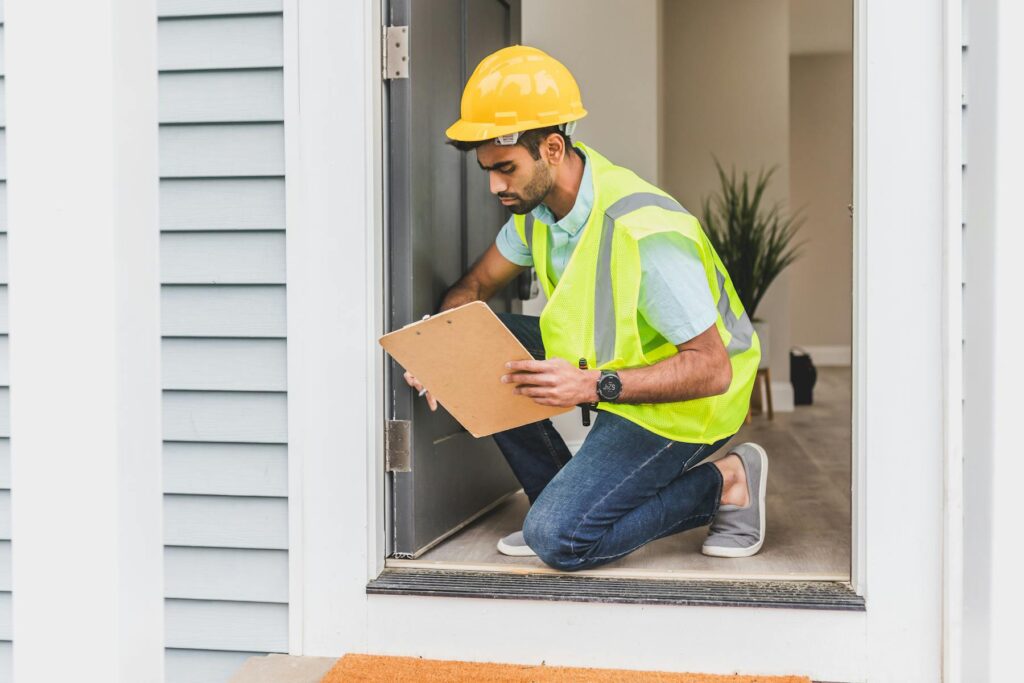
If you suspect your home or a house you plan to purchase contains asbestos, hiring a professional to inspect the property is critical. Our asbestos inspectors are highly trained and qualified to perform comprehensive inspections to help homeowners determine the presence of asbestos.
What Is Asbestos?
Asbestos is a naturally occurring mineral fiber, commonly used in homes built before the mid-1980s. While its use declined after that time, many homes and commercial properties were built with asbestos-containing materials. It is a heat-resistant mineral, found in insulation, roof shingles, drywall, and other parts of the home.
It’s important to note that, as a general rule of thumb, asbestos is most commonly found in homes built before the mid-1980s. While its use declined, it did not stop immediately. Certain materials, such as flooring adhesives, roofing mastics, mirror mastics, and some insulation products, may still contain asbestos in newer homes.
Health Risks Associated With Asbestos Fibers
Unfortunately, asbestos is linked to cancer and lung disease, especially after prolonged exposure. This highly toxic substance is considered a severe health hazard because it is carcinogenic, meaning there is no safe level of exposure when fibers are inhaled.
Asbestos poses the greatest threat to human health when it is disrupted, especially in the case of DIY home renovations. Swinging that sledgehammer without knowing what’s behind your walls could prove to be a costly and dangerous mistake.
- Mesothelioma: A rare and aggressive cancer of the lining of the lungs or abdomen caused exclusively by asbestos.
- Developing lung cancer: Significant health risks include a higher likelihood of the formation of malignant lung cancer tumors.
- Asbestosis: A chronic, non-cancerous respiratory disease resulting from scarred lung tissue after fibers are inhaled.
- Organ damage: Beyond the chest cavity, fibers can migrate to other internal organs, causing inflammation and cellular mutations.
These life-threatening diseases often take 20 to 60 years to manifest, making early detection of the health hazard critical.
What Is Included in a Traditional Home Inspection Process?
A typical home inspection is a critical step in a real estate transaction, acting as an independent visual assessment of a property’s overall condition. Following a standard operating procedure, the inspector evaluates major systems to make sure that the home is safe and functional for the prospective buyer.
However, this general overview focuses on visible defects. It won’t identify the potential presence of hazardous materials without a separate, specialized test for asbestos fibers. A standard inspection only focuses on:
- Structural Integrity and accessibility: Evaluation of the foundation, basement areas, and crawlspaces, and the garage structure and door openers to guarantee safety and stability.
- Systems and utilities: Assessment of the electrical system, including wire conditions and the plumbing system, such as drain and waste lines.
- Ventilation: Testing the HVAC system, including air filters and thermostats, heating elements like fireplaces and wood stoves, and the insulation and ventilation in the attic.
- Interior and exterior surfaces: A check of the floors, ceilings, walls, and outdoor structures, like walkways, porches, and decks, for signs of deterioration.
- Built-in assets and drainage: Verification of built-in appliances and a thorough check of roof drainage and other issues that could lead to water damage.
What Is the Difference Between a Home Inspection and an Asbestos Inspection and Testing?
Understanding the distinction between a standard home inspection and an asbestos inspection can help you make better real estate decisions. While both evaluations serve important purposes, they require different expertise, equipment, and focus areas to properly assess your property’s condition and potential hazards.
| Aspect | General Home Inspection | Asbestos Inspection and Testing |
| Purpose | Comprehensive evaluation of the property’s overall condition and critical components | Specific detection and assessment of asbestos-containing materials and asbestos exposure risks |
| Scope | Examines structure, foundation, roof, HVAC, electrical wiring, plumbing, and other major systems | Focuses exclusively on identifying materials where asbestos use is suspected, such as insulation, floor tiles, and popcorn ceilings |
| Who conducts it | Licensed home inspectors with general construction knowledge | Certified professionals specifically trained in asbestos detection and safety protocols |
| Testing methods | Visual assessment and non-invasive evaluation | Sample collection of suspected asbestos-containing materials and laboratory analysis |
| Licensing requirements | Standard home inspection certification | Specialized asbestos inspector certification and proper licenses for handling hazardous materials |
| What they can identify | Structural issues, system malfunctions, safety concerns, and visible deterioration, including wall paints | Presence and concentration of asbestos fibers in building materials through controlled testing |
Situations Where You May Need a Home Inspection:
It’s best to request a home inspection:
- Before purchasing a property to assess the condition of the HVAC system, electrical wiring, plumbing, and other critical components.
- When selling your home, identify and address potential issues that could affect the sale.
- For routine maintenance assessment to catch problems early and plan for necessary repairs or system upgrades.

Situations Where You May Need an Asbestos Inspection and Testing:
It would be better to request asbestos testing:
- In homes built before or around the mid-1980s, asbestos-containing materials may be present. Even in newer homes, certain products, such as flooring or roofing mastics, can still contain asbestos.
- Before starting renovation or demolition projects that could disturb materials and increase asbestos exposure risk.
- When a home inspection reveals damaged or deteriorating materials that could release asbestos fibers into the air.
Why Does a Home Inspection Not Come With an Asbestos Assessment?
A common question homeowners and renovators ask is: Do home inspections check for asbestos? While home inspections and assessments are both vital for property safety, they serve entirely different purposes and operate under distinct legal frameworks.
Traditional home inspectors prioritize the mechanical and structural health of the property. On the other hand, environmental specialists focus on mitigating health risks through the scientific identification of hazardous fibers.
These are the reasons why asbestos is excluded from standard inspections:
- Regulatory licensing barriers: Testing for hazardous materials requires specific state or federal certifications that go beyond general construction knowledge. This means most inspectors are legally prohibited from confirming the presence of asbestos.
- Invasive nature of testing: A standard home inspection is purely visual and non-destructive. Meanwhile, a full assessment often requires cutting into materials to collect samples for laboratory analysis.
- Need for specialized equipment: Detecting microscopic fibers requires specialized equipment, such as high-efficiency particulate air (HEPA) vacuums and polarized light microscopy (PLM), which are not part of a standard home inspector’s toolkit.
- Insurance and professional liability: Due to the severe long-term health consequences of exposure, general inspection insurance policies typically exclude coverage for environmental hazards.
What Are the Necessary Qualifications for Asbestos Inspection and Testing?
To make sure a home is truly safe from hazardous fibers, a standard evaluation is not enough. A comprehensive home asbestos inspection and testing requires specific legal standing and a technical sequence of events to ensure the environment remains uncontaminated during and after the assessment.
Licensed asbestos inspectors must meet strict qualifications before they can legally step onto a property to conduct an assessment. This typically includes specialized training and certification obtained through a program certified by the Environmental Protection Agency (EPA) or through a state-approved certification program.
Beyond basic education, asbestos professionals must maintain proper permits for any invasive work. When hiring, homeowners should verify a professional’s credentials, proper licenses, and relevant experience to keep the process safe and accurate.
What Happens in a Professional Asbestos Inspection and Testing?
Certified asbestos inspectors follow strict safety protocols to find asbestos without putting inhabitants at risk. The process generally follows these stages:
- Initial visual examination: A thorough walk-through to identify high-risk components, such as popcorn ceilings, loose insulation, siding shingles, and textured paint.
- Controlled sample collection: Professionals carefully collect samples of suspect materials. This is a delicate task that requires wetting the material or using a glove-bag technique to prevent fiber release.
- Laboratory testing: Extracted pieces are sent to a certified laboratory for analysis. Technicians use laboratory testing methods, such as PLM, to confirm the presence and concentration of asbestos.
- Comprehensive reporting: Following sample collection and testing, the inspector provides a report that includes detailed recommendations for asbestos removal or containment (sealing the material to prevent it from becoming airborne).
Should I Have an Asbestos Testing for a Real Estate Transaction?
Arranging an asbestos testing home inspection for a real estate transaction can be a bit tricky. Sellers are not required by law to permit destructive testing. However, if you’re concerned that a property you’re considering purchasing may have asbestos present, you can request the sellers to perform an inspection.
Unfortunately, sellers reserve the right to decline to perform an inspection. A thorough asbestos inspection may cause damage to the home (because samples must be taken and evaluated in a lab).
It’s in the buyer’s best interest to take steps to determine if the property they are looking at contains asbestos prior to purchasing it. If sellers decline to perform destructive testing, try to negotiate and find ways to discover asbestos without causing property damage. This can include a walk-through inspection that was mentioned earlier, or completing asbestos dust testing in certain places of the home.
How Much Will an Asbestos Testing and Inspection Cost?
On average, a basic asbestos testing and inspection will cost between $500-$1,000. However, that number varies based on several factors, including the number of areas being tested and the square footage of the home. There are many facets to a comprehensive asbestos test, including air quality tests and sample testing.
The inspection is necessary if you have inadvertently disturbed the material you believe contains asbestos. Hire a contractor that is certified and trained to comply with city and state requirements. It’s more important to find a qualified inspector than it is to shop for price.
What Should I Prepare and Expect for Asbestos House Inspections?
Understanding what happens during an asbestos home inspection helps you feel confident and prepared when professionals arrive at your property. Understanding the process also lets you take appropriate safety measures to minimize asbestos exposure for yourself and your family.
During the inspection, certified professionals follow strict protocols to safely identify asbestos-containing materials:
- HVAC system shutdown: Your heating and cooling systems will be temporarily turned off to prevent fibers from being disturbed and spreading throughout your home.
- Area containment: Plastic sheeting creates barriers around sampling zones to contain any released particles.
- Occupant evacuation: You’ll be asked to stay away from work areas while samples are collected, protecting you from potential contamination.
- Laboratory analysis: Collected samples are sent to certified facilities for precise testing and confirmation.
The inspector will move systematically through your home, taking small samples of materials such as insulation, floor tiles, and ceiling textures. This professional approach results in accurate results while maintaining everyone’s safety.
Most inspections are completed within a few hours, after which you’ll receive a detailed report identifying any asbestos-containing materials found on your property.
Who Should You Hire for Asbestos Inspection and Removal in Your House?
Selecting the right professionals for asbestos inspection and abatement services is critical for your safety and legal compliance. The Environmental Protection Agency requires specific training and certification for anyone handling these hazardous materials, making credentials your top priority when hiring. For inspection services:
- Hire only accredited asbestos inspectors who hold current state certifications and liability insurance.
- Verify they use EPA-approved laboratories for sample analysis.
- Confirm they provide detailed reports outlining findings and next remediation actions needed.
- Note that home inspectors typically cannot perform specialized testing unless they hold the appropriate credentials.
For removal and abatement, working with qualified asbestos professionals gets the job done safely and legally. Licensed contractors specializing in asbestos abatement have the proper equipment, containment systems, and disposal protocols required by law. They understand how to handle everything from textured paint to pipe insulation without endangering occupants.
Don’t attempt to remove asbestos yourself or hire general contractors without proper certifications. The risks of improper handling include serious health consequences and potential legal penalties. Request proof of licensing, insurance, and references before any work begins on your property.
What Happens Next if Asbestos is Found After a Home Inspection?
If your inspector believes there’s asbestos in your home, don’t worry. Asbestos is a relatively common issue for many homeowners, and doesn’t automatically mean you will experience adverse health effects living in its presence. It’s when that asbestos is disrupted, such as during a home remodel, that it becomes a cause for concern.
Asbestos testing professionals may recommend two options:
Asbestos Containment
Containment, also known as encapsulation, involves sealing asbestos-containing materials to prevent fiber release rather than removing them entirely. This process suffices when the asbestos is in good condition and poses no immediate health hazard.
Professionals apply specialized sealants or protective coverings to contain the presence of asbestos. This makes it a cost-effective solution that can adequately protect occupants from asbestos exposure. Here’s when to choose containment:
- The asbestos materials are intact and not deteriorating or damaged.
- You have no immediate plans for renovations or modifications to the affected areas.
- Budget constraints make asbestos removal cost-prohibitive, and containment will adequately address the risk.
Asbestos Removal or Abatement
Asbestos removal involves the complete extraction and safe disposal of asbestos-containing materials by licensed professionals who follow strict safety protocols. An asbestos survey helps identify the full extent of materials requiring removal, and experts recommend this approach when materials are damaged or widespread throughout the property.
Professional abatement is important because removing asbestos requires proper equipment to ventilate the area and contain fibers. This also prevents DIY removal. Here’s when to choose containment:
- The asbestos materials are deteriorating, damaged, or friable (easily crumbled).
- You’re planning renovations or demolition work that would disturb the asbestos.
- Asbestos is widespread throughout the home or located in high-traffic areas where damage is likely.
Related Questions
Conclusion
You need an experienced, professional company with strict safety protocols and proper permits to walk you through the entire process, from testing to abatement. A qualified inspector can determine the presence of asbestos and if it requires removal. Our certified asbestos inspection can help make your home safe and free from harmful asbestos.