
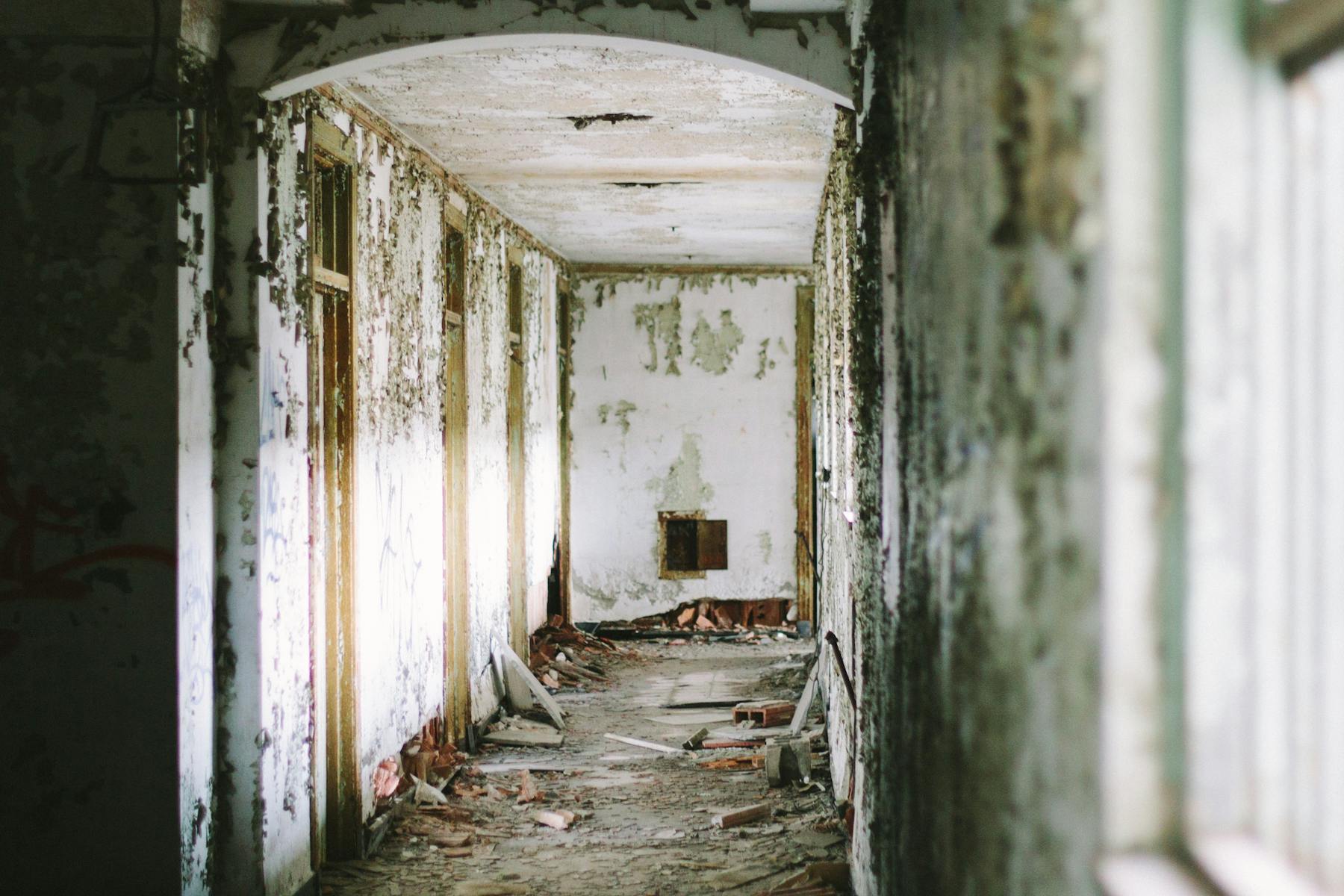
Poria fungus and dry rot often get lumped together, but they are not the same thing. One is a water-conducting brown-rot fungus that can draw moisture from damp soil or masonry and spread into structural wood. The other is a catch‑all term people use for a kind of wood decay that makes timber look dry and crumbly.
If you’re trying to confirm whether moisture damage is also affecting your indoor air quality, a targeted mold assessment can help document what’s present and where to focus next. Rarefied Air Environmental offers air sampling, surface testing, bulk sampling, and certified lab analysis to support informed decisions, especially for real estate timelines or complex moisture problems.
If you own or inspect buildings, knowing the difference helps you spot risk early, choose the right remedy, and prevent a repeat. This guide explains each, shows how to tell them apart, and gives you practical steps to protect your home.
TL;DR
- In North American building contexts, “poria” usually refers to Meruliporia incrassata, a water-conducting brown-rot fungus that can bridge masonry and deliver moisture to wood.
- Dry rot is a misused nickname for brown‑rot damage. Fungi still need moisture, and leaks or dampness drive the problem.
- Field clues for poria include thick root‑like cords (rhizomorphs) and widespread damage starting near soil or damp masonry. The cost of testing for Poria fungus depends on the sampling and laboratory analysis needed to confirm the identification.
- Core treatment for both is moisture control plus removing and replacing decayed wood. Sprays alone do not solve it.
What People Mean By “Dry Rot” Today
In buildings, “dry rot” is a common label for brown-rot decay that leaves wood brown, brittle, and cracked into cubes, but the term is used differently by region. Despite the name, fungi need moisture to start and sustain decay.
- In the UK and parts of northern Europe, “true dry rot” commonly refers to Serpula lacrymans.
- In North America, “dry rot” is often used more loosely for brown-rot damage and is sometimes even used to describe Meruliporia incrassata.
- In Europe, it often refers to Serpula lacrymans, the classic “dry rot” fungus.
Either way, the driver is excess moisture, not dryness. Decay fungi typically need higher moisture to establish (often around the fiber-saturation range), and generally need ~20%+ moisture content to sustain growth. With that said, keeping wood consistently below ~20% MC is a common rule of thumb to stop ongoing decay.
Brown rot preferentially digests cellulose and hemicellulose, so strength plummets early, even before heavy weight loss is visible. That is why joists or sills with only modest discoloration can already be dangerously weak.
What Poria Fungus Really Is
In North American inspections, “poria” usually refers to Meruliporia incrassata (historically called Poria incrassata). It is a water‑conducting brown‑rot fungus known for root‑like cords called rhizomorphs. Those cords let the organism bridge non‑wood materials, such as masonry, to reach and wet new wood from a persistent moisture source, typically damp soil or wet concrete. If you’re new to the topic, start with our overview of what poria fungus is and why it is dangerous to homes.
Typical starting points are crawlspaces, basements, dirt‑filled porches, or any place where wood contacts wet soil or damp masonry. Field signs can include:
- Papery mycelial fans on hidden wood surfaces
- Thick rhizomorphs that resemble pale cords or barkless roots
- Decay that radiates far from an obvious leak
However, definitive species identification may require lab analysis when the scope or cost of repairs is significant. Like all decay fungi, M. incrassata still relies on moisture. Breaking its connection to water and drying the structure typically stops active growth.
Poria Fungus vs Dry Rot: Distinguishing Fungal Threats
Understanding these distinctions empowers homeowners to identify whether they are facing a localized leak or a more aggressive subterranean invader.
| Factor | Poria Fungus (Meruliporia incrassata) | “Dry Rot” (General Brown‑Rot Damage) |
| What the term means | A specific water‑conducting brown‑rot fungus found in buildings | A colloquial term for brown‑rot decay; not a single species |
| Usual origin | Soil or damp masonry; spreads into wood via rhizomorphs | Localized wetting from leaks, condensation, or poor drainage |
| Signature field clues | Thick, root‑like rhizomorphs; rapid spread across inert materials; mycelial fans in hidden cavities | Cubical cracking, brown, brittle wood; may lack rhizomorphs; decay centered on the moisture source |
| Moisture reality | Needs moisture and often taps a persistent external source | Needs moisture; starts and advances where wood stays wet |
| Confirmation | Experienced inspection plus lab ID when needed | Moisture mapping and decay pattern consistent with brown rot |
| Treatment focus | Eliminate the soil/masonry moisture pathway and remove affected wood | Fix leaks, dry the assembly, and replace decayed wood |
How to Tell Them Apart in the Field
Start with moisture and origin. If decay begins at ground contact or damp masonry and you see root‑like cords running from soil toward framing, suspect poria. Those cords can snake through cracks and voids to reach new wood.
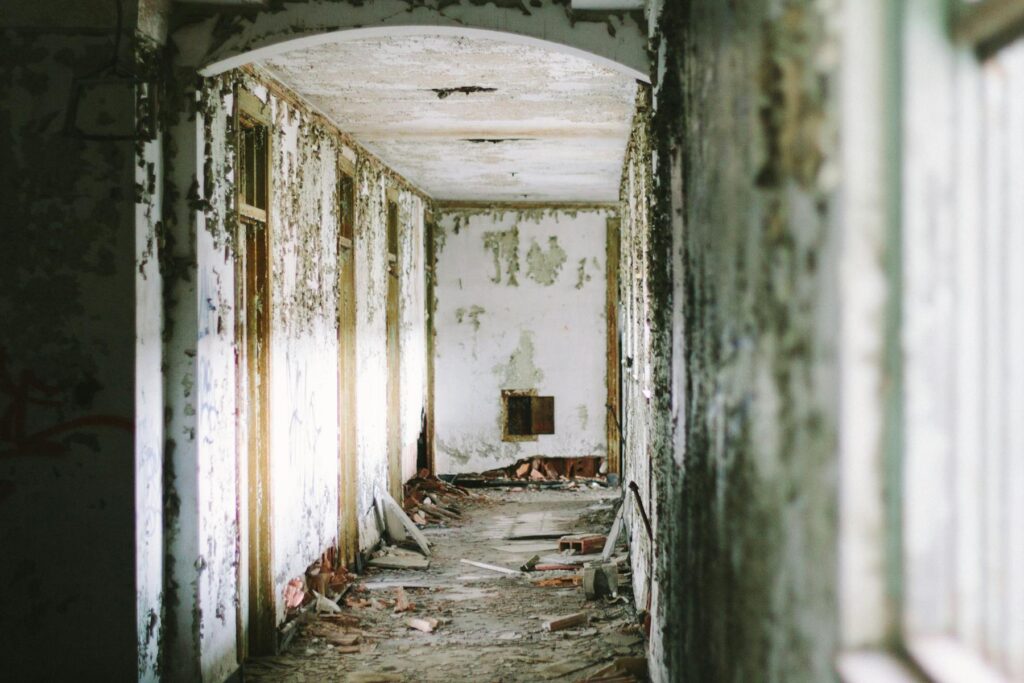
If decay is confined to a window sill, roof leak, or shower curb and you don’t see rhizomorphs, the pattern is more consistent with brown rot from local wetting, what people often call “dry rot”. Here are some useful clues:
- Poria: Thick rhizomorphs; damage that seems to “skip” across concrete or block; widespread decay starting near soil.
- General dry‑rot damage: Brown, cubical cracking centered on a leak; limited spread once the area dries.
If you’re seeing musty odors, visible growth, or recurring dampness along with rot, consider a mold assessment to document conditions. We provide lab-verified results (including spore types and concentrations) that you can share with your contractor or property team to plan the next step.
Common Mistakes to Avoid
By learning what not to do, you protect your investment and ensure that your family’s home remains a safe, solid, and fungus-free haven for years to come.
- Relying on fungicide sprays while ignoring the moisture source.
- Patching finishes over wet framing without drying and replacement.
- Leaving wood or debris in contact with soil.
- Skipping a moisture‑content check before closing up work.
Treatment Basics That Work for Both
Moisture control is the cure. Remove and replace structurally compromised wood, correct the water source, and keep wood dry going forward.
For suspected poria, add two priorities: break the soil‑to‑wood pathway and physically remove rhizomorphs and contaminated soil where feasible. Surface preservatives have limited value without moisture control. Building‑code clearances and pressure‑treated wood help in ground‑contact zones.
Repairs should be handled by qualified contractors, but testing can help you avoid guesswork before (and after) work is done. Rarefied Air Environmental offers pre-remediation assessments and post-work clearance testing so you can verify conditions with an independent report.
Examples
Seeing these patterns helps you recognize the warning signs in your own sanctuary, providing the peace of mind that comes with knowing exactly what you are up against.
Crawlspace Starter
A 1960s home on the Gulf Coast showed sloping floors above a damp crawlspace. Inspectors found papery mycelial fans under the subfloor and thick rhizomorphs running along a block foundation toward wood piers. Damage radiated far beyond any single leak.
The fix removed contaminated soil bands, cut out and replaced decayed joists with treated lumber, added a capillary break at piers, and improved drainage and vapor control. In addition, verified framing moisture dropped well below 20% (often targeting the mid-teens before closing cavities, depending on climate and assembly).
Misnamed “Dry Rot” at a Window
A second‑floor window had peeling paint and soft, brown, cubically cracked sill wood. No rhizomorphs or crawlspace issues were present. Moisture readings spiked only under the window after rain.
The repair focused on flashing and sealant detail, partial sill replacement, drying the cavity, and repainting. No special soil pathway work was needed, and follow‑up moisture checks remained normal.
Actionable Steps / Checklist
This checklist serves as your roadmap for restoration, ensuring no critical detail is missed while you work to reclaim your home from moisture and decay.
- Track the water: Map leaks, condensation, grading, and drainage before you touch finishes.
- Probe and measure: Use a moisture meter, keeping framing under about 20% moisture content.
- Document conditions if needed: For real estate, insurance, or peace of mind, schedule air/surface/bulk mold sampling with certified lab reporting.
- Look for rhizomorphs: In crawlspaces and basements, inspect foundations, piers, and hidden voids.
- Break soil contact: Maintain code‑required clearances and add capillary breaks at piers and sills.
- Fix the source: Repair plumbing leaks, redirect downspouts, and improve site drainage.
- Ventilate and dehumidify: Improve crawlspace vapor control and consider conditioned or properly sealed assemblies where appropriate.
- Remove and replace: Cut out structurally unsound wood and visibly colonized materials.
- Clean the path: For poria, remove rhizomorphs and contaminated soil bands where accessible.
- Use treated materials: Where wood must be near masonry or soil, use appropriate pressure‑treated lumber and barriers.
- Verify dry‑down: Re‑check moisture before closing walls or reinstalling finishes, then monitor seasonally.
Glossary
These definitions bridge the gap between technical jargon and practical knowledge, making the restoration process feel transparent and much less intimidating.
- Brown rot: A form of wood decay that removes cellulose and leaves brown, brittle, cubically cracked wood.
- Rhizomorph: A thick, root‑like bundle of fungal strands that can bridge non‑wood materials and move moisture.
- Mycelium: The white, cottony network of fungal threads that colonizes wood.
- Fruiting body: The spore‑producing structure of a fungus, sometimes crust‑like on interior wood.
- Moisture content (MC): The percentage of water in wood by weight; keeping MC under about 20% suppresses decay.
- Fiber saturation point: Around 25% to 30% MC, above which wood cell walls are saturated; decay typically initiates near or above this level.
- Pressure‑treated wood: Lumber infused with preservatives for use in high‑risk, damp, or ground‑contact locations.
- Capillary break: A barrier that stops moisture wicking from masonry or soil into wood.
FAQ
Final Thoughts
Whether you are facing true poria or everyday dry rot, the winning plan is the same: find and stop the water, remove failed wood, and design in separation from soil and damp masonry. Do that well, and decay fungi have nothing to work with.
And if you want independent documentation of mold/IAQ conditions, especially with hidden moisture, Rarefied Air Environmental can provide inspection-based testing and lab-verified reporting to support confident next steps.