
Where is asbestos found in the home? Many homeowners are often unaware that asbestos-containing materials lurk in their walls, floors, and ceilings, putting themselves at risk of lung diseases. Protect your household by letting our asbestos testing services locate the presence of asbestos and help mitigate risks. Learning about undisclosed hazards in a newly purchased home can help homeowners identify risks that may not have been obvious during the sale.
Where Is Asbestos Found in the Home?
If your San Diego home or building was constructed around the mid-1980s, there’s a high probability it contains asbestos in exterior surfaces, insulation, flooring, wall and ceiling materials, electrical equipment, appliances, and automotive tools. Note that even after the mid-1980s, some builders continued to use roofing and flooring materials made with asbestos. The only way to know for certain is through professional testing by a state-licensed technician.
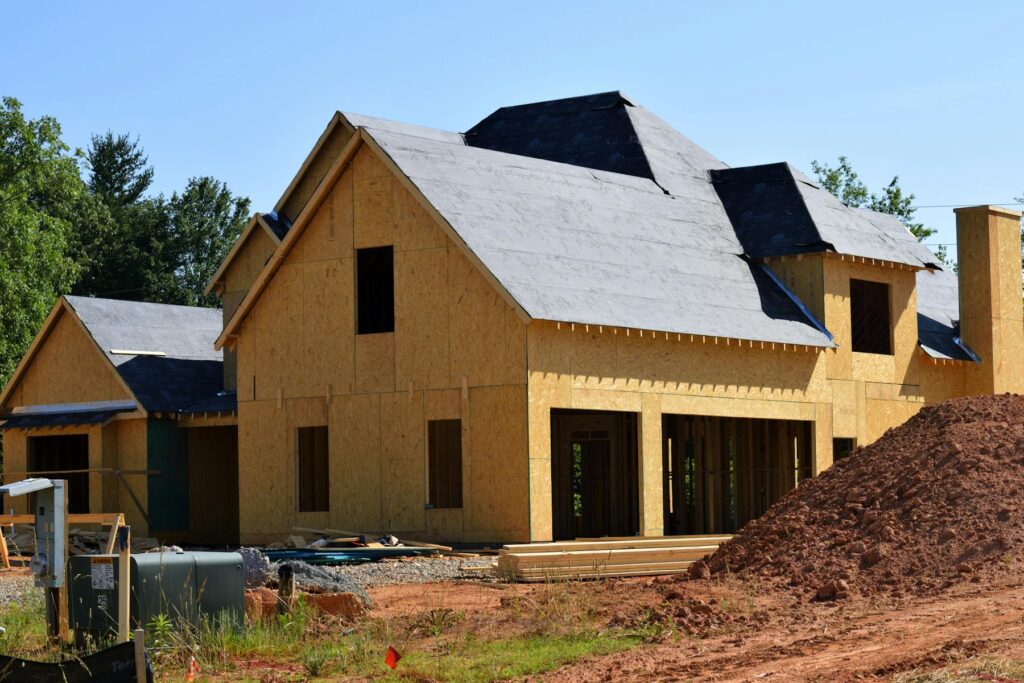
If you believe your home or building may have been built with asbestos-containing materials, you may want to consider having your property tested for asbestos. Only a state-licensed asbestos testing technician can confirm the presence of asbestos in the home or building and whether those products pose health risks to its inhabitants.
| Category | Specific Asbestos-Containing Materials |
| Exterior surfaces | Roofing shingles (cement/asphalt), cement siding, caulking/glazing compounds |
| Insulation and healing | Vermiculite attic insulation, thermal pipe insulation (lagging), gaskets, boiler jackets |
| Flooring | Vinyl/asphalt floor tiles, vinyl sheet flooring backing, tile adhesives |
| Walls and ceilings | Acoustic popcorn ceilings, joint compound (mud) for drywall seams, plaster/stucco |
| Electrical and plumbing | Electrical wire insulation/sheathing, felt gaskets in plumbing fixtures, ductwork thermal tape |
| Home items | Home appliances, heat shields in furnaces/stoves, fire blankets, ironing board covers |
| Automotive | Brake pads and shoes, clutch linings, gaskets and seals |
What Are the Asbestos-Containing Products and Materials You Can Find in Homes?
San Diego homes built across the 1980s represent a significant portion of the region’s housing, with 20% constructed in the 1970s and an additional 18.2% constructed in the 1980s. Some homebuilding products and construction products used up to the mid-1980s may contain asbestos:
1. Exterior Surfaces
Many older homes utilized asbestos in exterior building materials due to its fire-resistant and durable properties. This means these surfaces contain asbestos that could potentially release fibers into the air if disturbed.
Roofing
Asbestos was a common component in roofing shingles, roof felt, and tar because it added strength and made the materials fire-resistant. Older roofing components are likely to contain asbestos and can pose a risk if cut, damaged, or undergoing demolition.
Siding
Older homes often used asbestos in cement board siding, undersheeting, and cement siding shingles to increase the material’s durability, fire resistance, and insulation capabilities. This is because asbestos fibers provide strength without adding much weight.
Sealing and Glazing
Window putty, window caulking, glazing materials, doorframe caulking, and glazing may contain asbestos to enhance elasticity and heat resistance. Disturbing this material, such as during window replacement, can let out asbestos if not properly contained.
2. Insulation, Boilers, and Heaters
Asbestos was heavily utilized in heating systems and as asbestos insulation because it offered excellent thermal resistance and was extremely heat-resistant. These older materials can become damaged over time, which may let out asbestos fibers if disturbed.
Attic and Wall Insulation
Loose-fill vermiculite attic insulation and vermiculite wall insulation are major sources of potential asbestos exposure in many older homes. If you suspect asbestos is present, disturbing this type of attic insulation can easily release hazardous fibers into the home’s air.
Fireplace Areas
Due to its heat-resistant properties, asbestos was used for materials like fake fireplace logs, asbestos millboards, around hearths, and even in asbestos hot pads/gloves. Any of these materials could potentially contain asbestos, especially if they’re old and beginning to deteriorate or crumble.
Piping and Ducts
Old heating and cooling systems often feature pipe insulation/lagging and duct insulation (wrapped around heating/cooling ducts), which commonly uses asbestos. The protective wrapping and insulation around pipes and ducts can be easily damaged.
General Heat Source Materials
Asbestos was used extensively in various components, including heat source covering, water heaters, boiler and furnace insulation, wall gaskets, and linings, and even some forms of batt insulation. If these materials are in poor condition, they can easily give off fibers into the air if they are disturbed during maintenance or demolition.
3. Flooring
Asbestos was often mixed into flooring materials to make them more durable, fire-resistant, and soundproof, meaning many older floors may contain asbestos. This dangerous material, a toxic mineral, is typically not a risk unless the flooring is disturbed or damaged.
Floor Tiles and Sheets
Older resilient flooring, especially vinyl asbestos tiles and sheet flooring manufactured around the 1980s, utilized asbestos as a filler to increase their wear and fire resistance. These durable materials may consist of asbestos throughout the entire product, not just in the backing or adhesive.
Adhesives
Asbestos was a common component in thick, black floor mastic/adhesive, wood parquet mastic, and ceiling tile mastic (used to secure tiles/flooring) because it added strength and made the adhesive resistant to heat. While the tiles or flooring itself may also contain asbestos, the dark adhesive is a highly common and concentrated source.
4. Walls and Ceilings
Walls and ceilings are common places to find asbestos in older homes because the mineral was mixed into various finishing products for fire resistance and texture. Disturbing materials like popcorn ceilings or drywall joint compound can easily release asbestos fibers into the air.
Ceilings
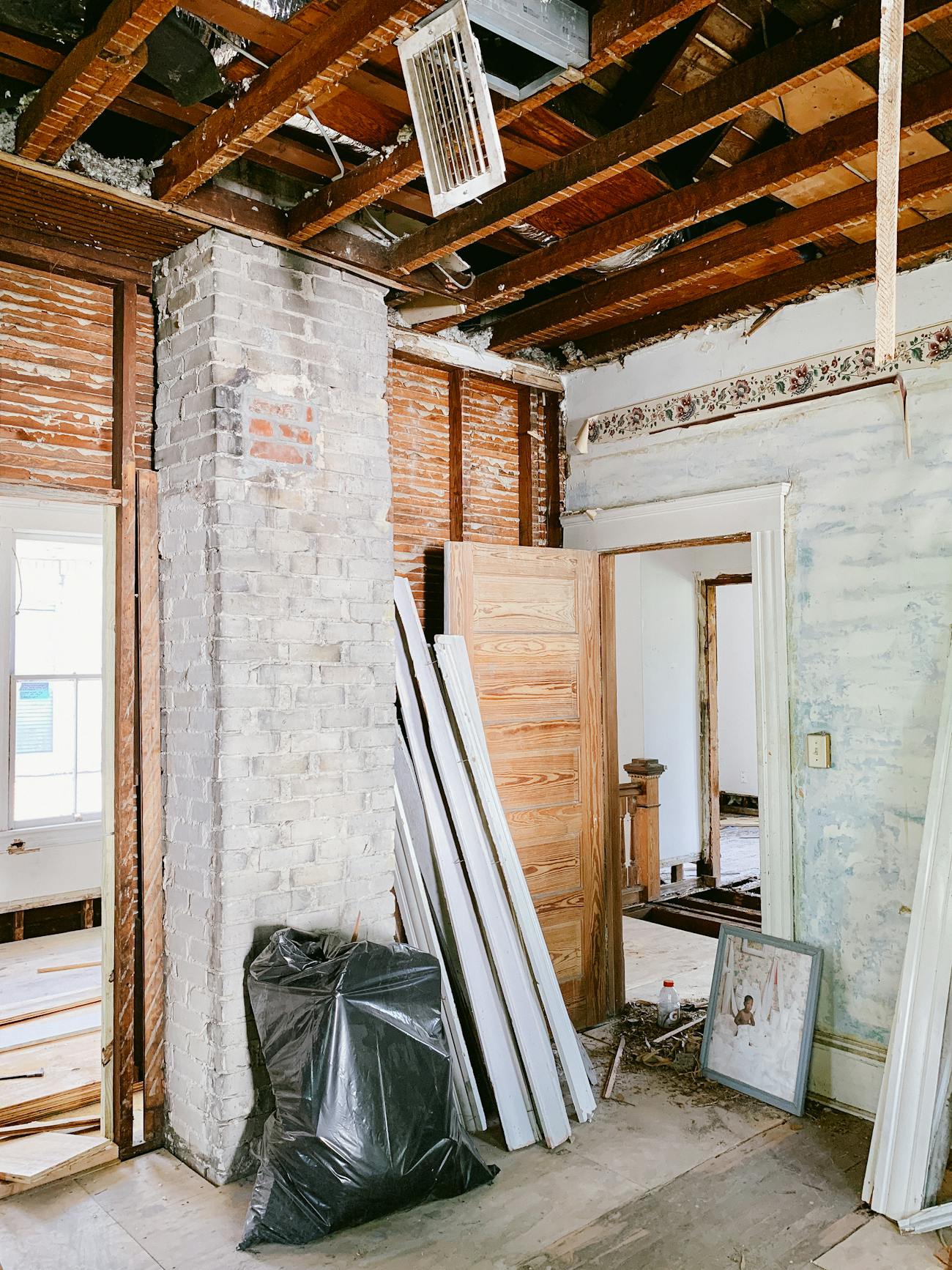
Asbestos was used to create popular finishes like textured ceiling material (like popcorn ceilings), acoustical plaster, ceiling tiles, and ceiling panels to add soundproofing and fire-retardant qualities. This means older ceiling materials often have asbestos, which can become airborne if the ceiling is scraped, sanded, or damaged.
Wall Joints and Plaster
The spackling used for wall seams, known as drywall joint compound (used to seal seams), often contained asbestos for flexibility and strength. Certain types of wall and ceiling plaster, including textured ceiling plaster, were mixed with asbestos to prevent cracking and improve durability.
5. Electrical Equipment
Electric equipment and wiring in older homes often use asbestos-containing materials because the mineral provides vital fireproofing and electrical insulation. If these components are old or disturbed, there’s a risk that asbestos fibers could be released into the home’s air.
Wiring and Fixtures
Asbestos was commonly used for insulation on knob and tube wiring and within fixtures due to its heat-resistant and non-conductive properties. Items such as older lamp sockets, outlet and switch boxes, and recessed lighting frequently used asbestos to prevent fires from overheating wires.
Safety and Distribution
The main electrical system’s control points, including the main panel and fuse boxes, often contain compressed asbestos paper or boards for thermal and electrical insulation. These asbestos-containing materials served as arc shields and insulation to contain electrical faults and prevent fires from spreading.
6. Appliances and Miscellaneous Home Items
Asbestos was used in many appliances and household goods for its insulating and fireproofing abilities, meaning these items can be a source of asbestos in the home. If damaged or during repair, they may let off asbestos particles.
Major Appliances
Older large appliances like refrigerators, freezers, dishwashers, toasters, ovens, range hoods, clothes dryers, water heaters, and hair dryers often contained asbestos components for thermal insulation. The asbestos-protected internal wiring and plastic parts from heat and corrosive elements within the unit.
Textiles
Asbestos was used in the production of cloths and garments for its resistance to heat and corrosive elements. Because it could be woven into heat-resistant fabrics, asbestos was used in items such as blankets, firefighter suits, and flame-retardant rope. These specialized textiles were designed to withstand high temperatures and fire without burning.
7. Automotive and Vehicle Components
Older vehicles may consist of asbestos-containing materials like brake linings, gaskets, and clutch facings because the mineral resists the high heat and friction these parts generate. Improper handling during automotive work in a garage can release dangerous asbestos fibers into the air.
How Can People Be Exposed to Asbestos?
Exposure happens when friable asbestos is disturbed, releasing asbestos particles. Improper handling greatly increases the risk of asbestos-related conditions.
- Renovating an attic: Tearing out old insulation or disturbing older roofing materials can lead to asbestos exposure.
- Removing popcorn ceiling: Disturbing or scraping older popcorn ceilings releases dangerous fibers, leading to exposure.
- Drilling into asbestos in drywall: Drilling into drywall or joint compound that contains asbestos can cause you to risk inhaling asbestos fibers.
- Blowing off brake dust: Using compressed air on brake pads that have asbestos can release invisible fibers.
- Cutting insulation on pipes: Cutting old, fragile pipe insulation releases a high concentration of fibers, significantly increasing the risk of asbestos-related diseases.
- Removing vinyl floor tiles: Ripping up old vinyl floor tiles or their backing/adhesive can lead to high asbestos exposure risk.
While the Consumer Product Safety Commission (CPSC) required labeling for intentionally added asbestos in consumer products starting in 1986, many older homes still contain unlabeled materials. Being aware of the risks of asbestos in homes is your first critical step in preventing the severe health impact of asbestos and minimizing the risk of asbestos-related diseases.
Why Were Asbestos Products and Construction Materials Used in Homes?
Asbestos is a natural mineral that became a popular product due to its unique chemical and physical properties. Asbestos makes it less likely to react with other compounds and reduces the conduction of heat, providing its strength and heat-resistant properties. This initially made it highly desirable for old homes with popcorn ceilings, sheet flooring, and insulation.
According to the Mesothelioma + Asbestos Awareness Center (MAA), the widespread use of asbestos can largely be attributed to the construction industry, which accounted for 70-80% of asbestos use throughout the 20th century. Between 1920 and the mid-1980s, construction companies heavily used asbestos in wall insulation, roofing materials, asbestos cement, and other products.
Unlike similar products at the time, the durability and weather resistance of asbestos were unparalleled. Despite efforts by the Environmental Protection Agency (EPA) to ban asbestos entirely in the late 1970s, it’s still used to this day. Even with the bans, builders were not required to remove asbestos-containing products from homes and commercial buildings.
What Can I Do About Asbestos in the Home?
Knowing the proper steps to manage asbestos is important for health and safety, directly influencing whether you need professional asbestos inspections or immediate removal. Understand your options to make informed decisions about containment and abatement, safeguarding your living environment.
1. Leave Suspected Materials Undisturbed
If you suspect asbestos in your home, the most important step is to avoid any contact with the materials. Don’t saw, sand, scrape, drill, sweep, or vacuum anything that might have asbestos, as these actions can release fibers into the air that become lodged in lung tissue. Damaged materials pose the greatest health risks, so mark off the area until you can get professional guidance.
2. Hire an Asbestos Inspector for Professional Testing
Only an asbestos inspector has the proper training and equipment to safely collect samples and determine whether your popcorn ceilings, tiles, or insulation contain dangerous fibers. Hire trained professionals to conduct the asbestos testing. Safely handling asbestos can prevent contamination in your entire home.
3. Arrange for Professional Asbestos Abatement
If testing confirms asbestos-containing materials in your home, hire trained and certified professionals for removal or encapsulation. Asbestos abatement requires specialized equipment, containment procedures, and disposal methods. Don’t mix asbestos materials with normal household waste.
4. Request Post-Abatement Air Monitoring
After asbestos abatement is complete, consider air quality testing to make sure no fibers remain in your home’s air. This critical step verifies that the work was done properly and your indoor environment is safe for your family to inhabit again.
5. Plan Ahead for Renovations and Demolitions
Before any construction work, have suspect asbestos materials inspected and addressed. Don’t perform any work on or near asbestos materials unless you’re trained and certified. Even minor renovations can disturb hidden asbestos and create dangerous exposure situations.
Related Questions
What Does Asbestos Look Like?
Asbestos often appears as a dull, fibrous mineral, ranging in color from white to blue-green. However, when used in building materials, it’s typically mixed with other substances and isn’t easily recognizable. When materials containing it are damaged, tiny asbestos fibers may be released into the air, which are invisible to the naked eye.
How to Tell if a House Has Asbestos?
It’s nearly impossible for a homeowner to definitively find asbestos simply by looking at a material, as the material must be sampled and tested in a laboratory. Visible fibers protruding from a material, or relying on a material’s age or use, are not reliable methods to identify asbestos. The only safe way is through professional testing.
How Likely Is It to Have Asbestos in Your House?
If your home was built around the mid-1980s, it’s highly likely that some of the original building materials may contain asbestos in items like insulation, flooring, or roofing. The use of asbestos in construction declined significantly after the mid-1980s. However, it wasn’t fully banned, so even newer homes might contain some materials with it.
What Years of Homes Have Asbestos?
Homes built from the 1920s through the 1980s are most likely to have asbestos-containing materials, such as vinyl flooring, textured paints, and popcorn ceilings. While its use decreased, some products continued to be used in roofing and flooring products even after the mid-1980s, making professional testing advisable for homes.
When Should I Call Asbestos Professionals?
You should immediately contact an asbestos inspector or licensed professional if you suspect asbestos has been disturbed or if you’re planning a renovation that might disrupt these materials. Taking this precaution is vital to prevent the release of fibers into the air and to help you avoid lung disease.
Is It Required to Arrange for an Asbestos Abatement?
An asbestos abatement (removal) is generally required if the material is damaged, crumbling, or will be disturbed during a renovation, as this poses significant health risks. When the material is intact and unlikely to be disturbed, professional advice may recommend leaving it in place to contain asbestos and prevent the release of fibers that cause lung disease.
What Are the Health Risks of Asbestos Exposure at Homes?
Exposure to asbestos can lead to serious asbestos-related diseases like asbestosis, lung cancer, and mesothelioma diagnosis after inhaling asbestos fibers or through accidental ingestion. Symptoms of these conditions often take a very long time to appear, with a latency period that can range from 10-40 years or more after the initial exposure.
How Much Exposure to Asbestos Fibers Is Harmful?
Reports from bodies like the National Institute for Occupational Safety and Health show there’s no evidence of a threshold or safe level of exposure, meaning any amount could be harmful. While the greatest risk is associated with a lot of repeated exposure over time, any asbestos exposure carries the potential risk of developing conditions like lung cancer.
How Do I Get Tested for Possible Exposure to Asbestos?
There’s no simple medical test to detect past asbestos exposure, though doctors can order imaging tests, such as chest X-rays, to look for early signs of damage or scarring. When you’re concerned about exposure, consult your doctor, who may recommend regular screenings to monitor for long-term conditions like lung cancer.
Conclusion
Rarefied Air Environmental has been providing residential and commercial asbestos testing for homes and buildings in San Diego for nearly a decade. Our experienced asbestos professionals can help you determine whether asbestos exists at your property and whether that asbestos is potentially harmful. When you suspect asbestos in the home, contact us today to schedule asbestos testing.